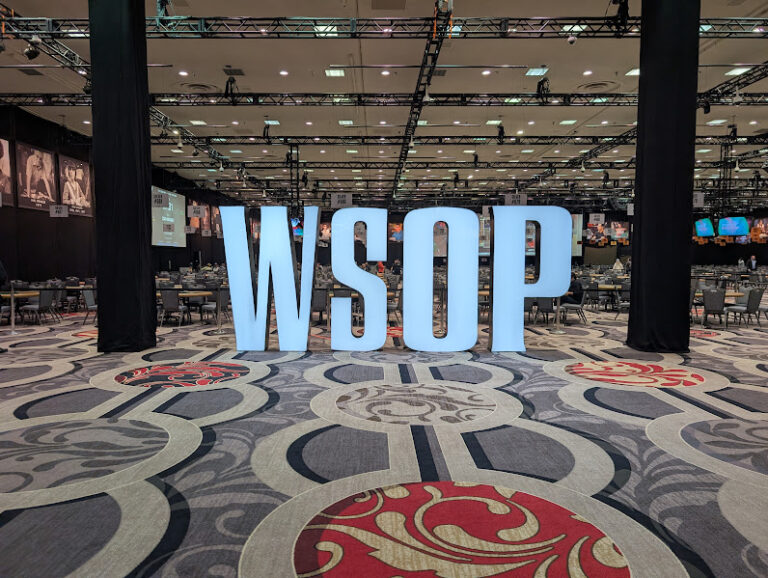
Poker has found two very different uses for the blockchain. At this past summer’s World Series of Poker in Las Vegas, players could buy into tournaments with crypto for the first time. WSOP Paradise in the Bahamas goes a step further in December, when winners will be able to take their payouts in stablecoins on Solana.
Online, a new room called SolPoker makes a bolder claim. It says players can check each completed hand against data recorded on a blockchain before the cards were dealt.
The question is what the technology actually proves, and what players still have to take on trust.
WSOP brings crypto to the tournament cashier
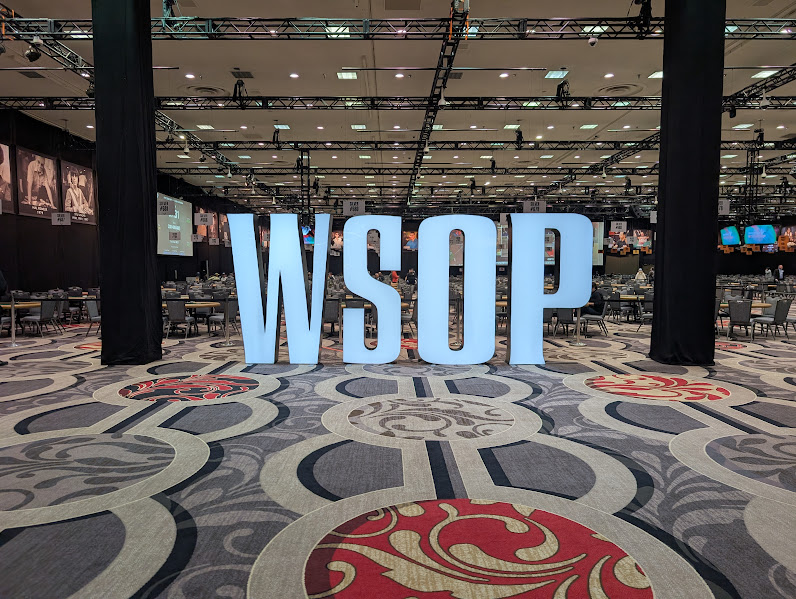
This summer, players at the World Series of Poker in Las Vegas could buy tournament tickets with SOL, USDC or USDT through the WSOP LIVE app. MoonPay handled the payments, with no processing fees. Solana was already used for deposits at Solana casinos online, but buying a seat at a live poker tournament was new.
The Solana Foundation also became the series’ presenting sponsor. Its chief product officer, Vibhu Norby, told PokerNews that around $23 million in payments went through Solana during the summer series. That represented roughly 6% of all buy-ins.
The partnership continues at WSOP Paradise, held December 2–17 at Baha Mar in the Bahamas. The $25K Super Main Event carries a $50 million guarantee.
Alex and Kristen Foxen joined Solana as ambassadors in November. Alex pointed to the difficulties of moving money across borders for poker tournaments, a familiar problem for professionals who compete internationally.
What players still don’t know about WSOP payouts
At WSOP Paradise, tournament winners will have the option of receiving their prize money in stablecoins on Solana instead of waiting for a bank transfer.
But several details are missing. WSOP hasn’t named the stablecoins it will pay out or explained how winners register a receiving wallet. Who qualifies, payout limits, fees and tax withholding haven’t been clarified either. At the time of writing, WSOP had not published full instructions for stablecoin payouts.
There is one important distinction on costs. WSOP’s zero-fee promise applies to processing crypto buy-ins, not tournament entry. The Paradise rules allow up to 5% of buy-ins to be withheld for staff and operations. Buying or transferring crypto may cost extra.
Until WSOP publishes the payout instructions, players shouldn’t assume their preferred stablecoin or wallet will be supported.
Can SolPoker prove the deck wasn’t changed?
SolPoker announced its blockchain poker platform on October 20. Its main selling point is that players can check the cards rather than simply trust the poker room’s software.
The system uses something called a cryptographic commitment. Think of it as a digital fingerprint. Before a hand starts, SolPoker says its server creates a secret value and publishes its fingerprint on Base, a blockchain separate from Solana. The secret stays hidden until the hand is over.
That secret is only part of the shuffle. SolPoker also uses random values generated by the players and a public service called drand. The public number becomes available after the server has committed its secret. This prevents the server from choosing its original value after seeing that number.
Once the hand is over, the server’s secret is no longer secret. SolPoker says players can use a hand ID on its verification page to reconstruct the deck from the published data. The cards should match what was dealt at the table.
There is a catch. A matching deck doesn’t prove the original shuffle was truly random, that the software is secure or that nobody had access to hidden cards.
SolPoker describes the process on its website, but we haven’t independently verified a completed hand.
Zero rake doesn’t mean zero conditions
Rake is how most poker rooms make their money. SolPoker says it doesn’t take any. Its cash games are marketed as rake-free and its tournaments as free of entry fees, with advertising and sponsors paying the bills instead.
Its own terms leave more room. Section 6 allows the site to charge rake, tournament fees and other costs, provided they’re shown in the game interface. Network and conversion fees may apply too. That doesn’t mean SolPoker charges rake today. It means the zero-rake promise isn’t guaranteed by the terms.
Two other details matter for anyone thinking of playing. SolPoker doesn’t ask for identity documents during normal use, and it says it doesn’t hold a gambling license. Players therefore can’t rely on the oversight of a licensed gambling regulator if a dispute arises.
The terms also allow SolPoker to delay or review withdrawals due to security concerns, suspected fraud, or legal requirements. Those conditions deserve attention before putting money on the site.
What blockchain poker still can’t prevent
A verified deck doesn’t stop a bot from taking seat three, or two players from sharing hole cards in a private chat. Catching that takes more than a blockchain record.
SolPoker says it uses hand histories, IP addresses and device data to investigate collusion and multiple accounts. Those checks matter, especially since the room doesn’t verify players’ identities.
Money brings other risks. SOL can lose value before it’s converted to stablecoins, and sending crypto on the wrong network can mean losing the funds.
WSOP uses Solana to move tournament money. SolPoker uses blockchain records to check the cards. Neither can tell you whether the players across the table are working together.