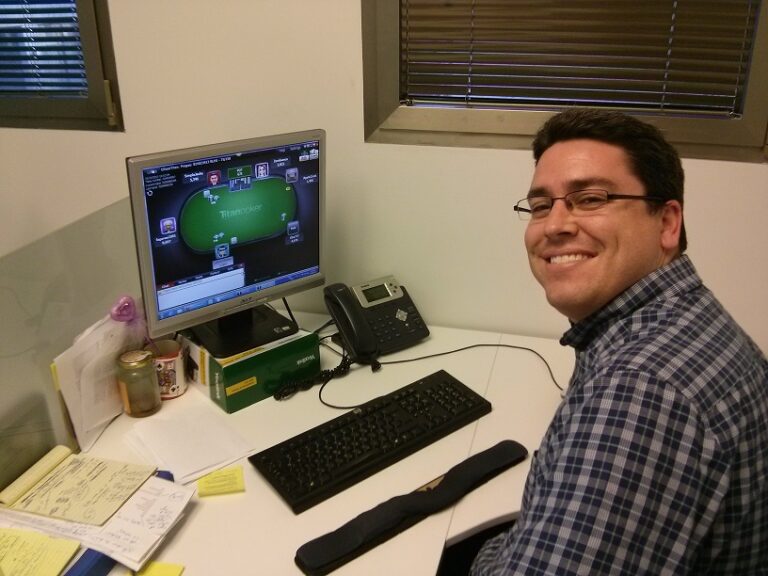
The way players learn poker in the United States has changed a great deal over the past decade. Free online poker used to be a place where people played casually, clicked buttons quickly, and rarely thought too deeply about strategy. Now it serves a very different purpose. With access to hand histories, basic analytics, and tools that help players look back at the decisions they made, free poker has become a practical training ground for anyone who wants to understand the game on a deeper level. It has created a space where players can experiment, adjust, and develop consistent habits without the pressure of risking real money.
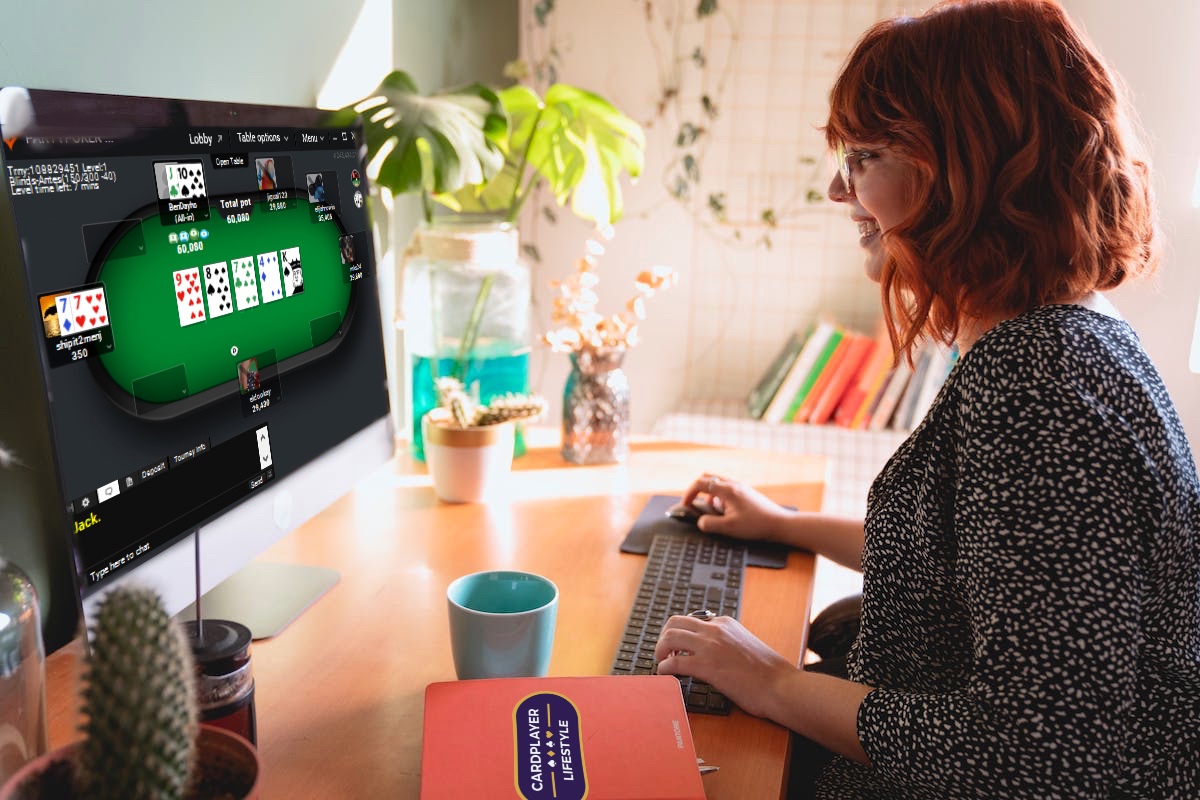
The Shift Toward Skill Building in Free Online Poker
If you look back at the early era of free poker, the experience was built around simple gameplay and social interaction. It offered speed but not much structure, and it was difficult for players to study patterns or track their progress. That picture has shifted quite noticeably. Today, many players choose to try poker online for free so they can practice essential concepts, review hands, and test strategic ideas while protecting their bankroll. The freedom to make mistakes without financial consequences encourages players to be more curious, and that curiosity often turns into long-term improvement.
Free platforms have transitioned from being casual entertainment arenas to being almost a study center. Players can refine hand histories, analyze data from multiple sessions, and recognize how varying minor decisions can impact the hand. These elements correspond to the guidelines used in regulated online poker markets in the United States, of which there are six as of 2025. These states’ environments are stable, and their experiences have helped shape the criteria for New Jersey. More Centralized Market Indicators are confirming this. For instance, Grand View Research puts the online poker market in 2024 at USD 3.86 billion. The more analytical, data-conscious forms of poker are the ones players prefer.
How Are Training Tools Improving The Learning Process
One of the most noticeable improvements in poker’s training tools is the study of the tools themselves. Hand replays allow users to slow the game down to study the decisions in more detail. Players can analyze why particular bet sizes might change the outcome or how a different turn or river action was played to shape their range. Other platforms provide basic stats that show how a player might be more or less aggressive in position or how often they defend their blinds. This helps players build self-awareness.
Support can come in the form of strategies and quizzes. They teach users about pot odds, board texture, and tournament pressure points. This is a great way for novice players to begin strategic thinking. However, for more developed players, this is a great way to reinforce concepts through repetition. Many poker formats, like tournaments and sit-and-gos, can repeat patterns and really benefit from this structured approach.
Why Free Poker Has Become Essential for Player Development
The most affordable and practical of all virtual poker rooms for players is their ability to generate volume. A player can complete hundreds of hands in less than a session, something that is impossible to do in a live poker room. The best part is, the more hands a player sees, the more their pattern recognition ability increases. Eventually, players learn things like which board textures favor the aggressive, when ranges thin, and how certain spots repeat way more than they realize.
A tournament player, for instance, could utilize free events to target specific skills like practicing endgame pressure and short-stack situation decision-making. A cash game player could focus on tightening their preflop range or learn how to adapt their play style to be more aggressive when it’s warranted. Without money involved, players are more inclined to try out new strategies that are outside their comfort zone.
Online gaming establishments in the U.S. support the expansion of these study spaces. In 2024, Michigan took in USD 2.44 billion in iGaming revenue. New Jersey, in the same year, had reported USD 2.39 billion in internet gaming wins. Although a portion of these figures comes from poker, the overall volume of activity minus the free training platforms indicates the engagement of U.S. players with online poker formats.
Another significant aspect of free poker is its community side. Players have a place to get into a difficult situation, as well as to analyze and compare different methods to solve it, thanks to discussion boards, shared hand breakdowns, and informal study groups. Modern poker has a cooperative learning culture, and free platforms allow players to enter that world without any cost.
Playing free online poker has evolved from playing on the internet at home to a more interactive game. A player is able to understand the game better and build skills that are reliable. The poker player is also given tools that provide the player and the poker room with a way to help the poker player understand the game. The player is given the ability to go through hands and analyze the game to make mistakes and try playing the game with no monetary losses. As online poker continues to evolve throughout the US, players will always find no-cost online poker to be a great place to start learning the game in depth.