
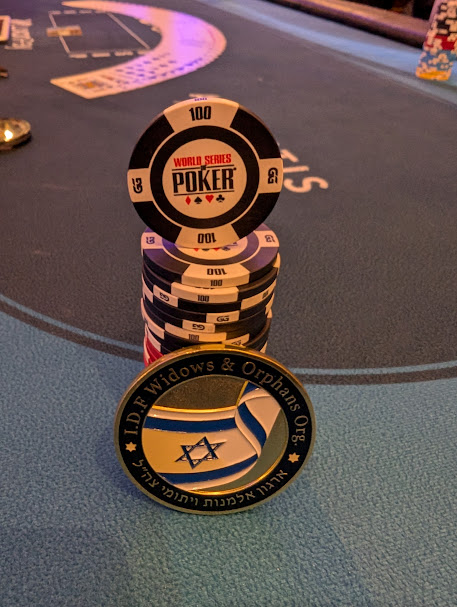
Two days ago, I shared the story of How We Organized a $10K Charity Poker Tournament to Benefit IDF Widows & Orphans. Yesterday, the tournament took place during 2024 WSOP Paradise at the Atlantis Resort in the Bahamas. What began as the kernel of an idea this summer, with months of organizational efforts, ended up turning into a monumental success, raising a staggering $140,000 to support the cause. Having had a front row seat (and a seat in the event itself), here’s how things played out at the felt.
A Devoted Dozen Donors
Each entrant contributed not just their poker passion to the proceedings, but also manifestly “showed up when it counted” in support of the orphans and widows. In total, 12 players sat down to play, including notable names like GGPoker ambassador Bertrand “ElkY” Grospellier, 4x WSOP bracelet winner and 18-time WSOP Circuit Ring all-time leader Ari Engel, WSOP COO Gregory Chochon, Poker.org owner Eric Hollreiser, and GPI Award-winning poker broadcaster and commentator Jeff Platt.
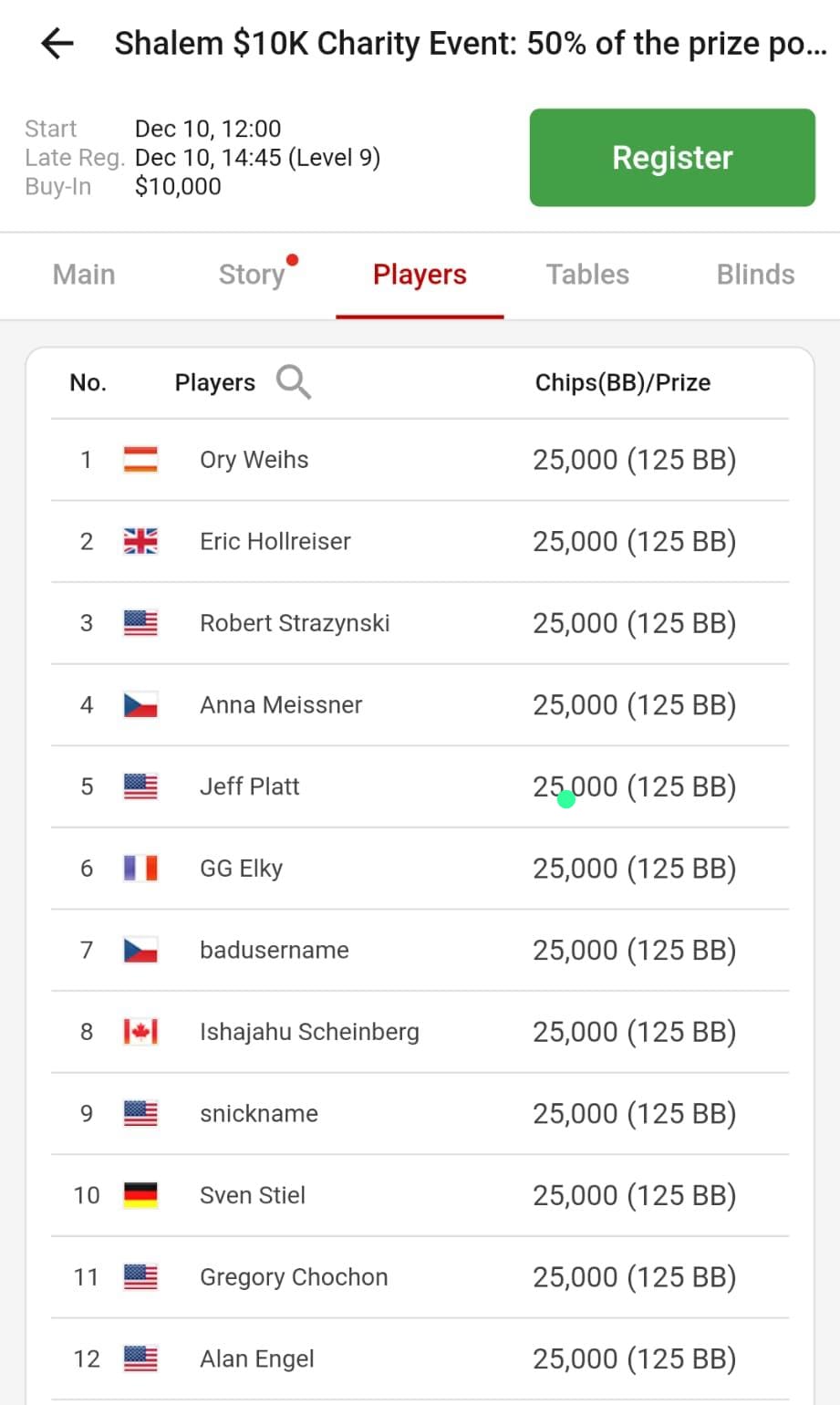
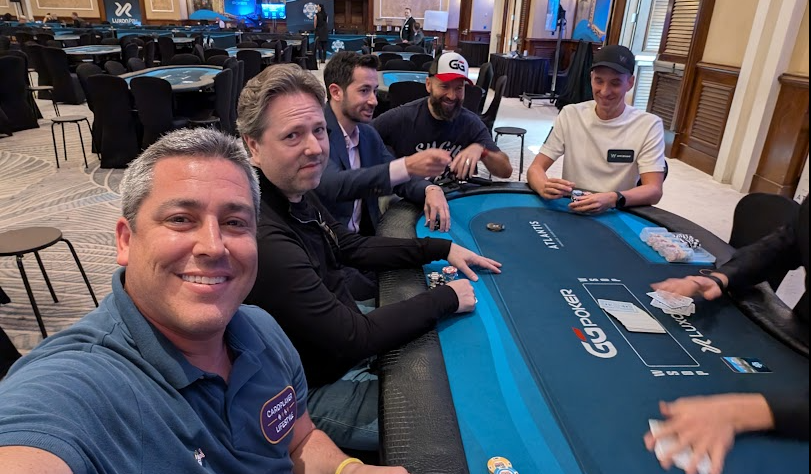
Undeniably most prominent among the players, however, was PokerStars founder Isai Scheinberg, who walked into the tournament area accompanied by GGPoker owner Michael Kim. With the two poker titans demonstrably throwing their full support behind the tournament, it was bound to be both an impactful and memorable special event.
The usual focus on competition notwithstanding, the tournament’s intimate two-table setting helped to create a sense of camaraderie and unified focus towards the shared goal: to raise funds for the bereaved families. With proceeds earmarked for IDFWO programs like empowerment workshops for adults and healing retreats for the children, the stakes carried a different weight.
Tournament Notes and Personal Highlights
The charity poker tournament played out over the course of five hours; par for the course given the turbo structure with 15 -minute levels. A personal highlight was briefly being seated near Isai Scheinberg, who proceeded to capture some of my chips with a flopped set and turned boat. I ended up calling down all the way to the river. I suppose I should’ve known better against someone who (as Sven Steil commented) “generally does well with all things connected to poker.” 🙂
By now, most folks in poker know that I’m primarily a mixed game player, so it was somewhat disorienting “only” getting two cards to play with the entire time. Even so, I managed to bob and weave my way to a not too shameful sixth place exit. All things considered (especially the turbo structure) and given that play reached the final three players approximately just 15 minutes later, I suppose I can’t beat myself up too badly about my performance.
Daniel Delivers Big
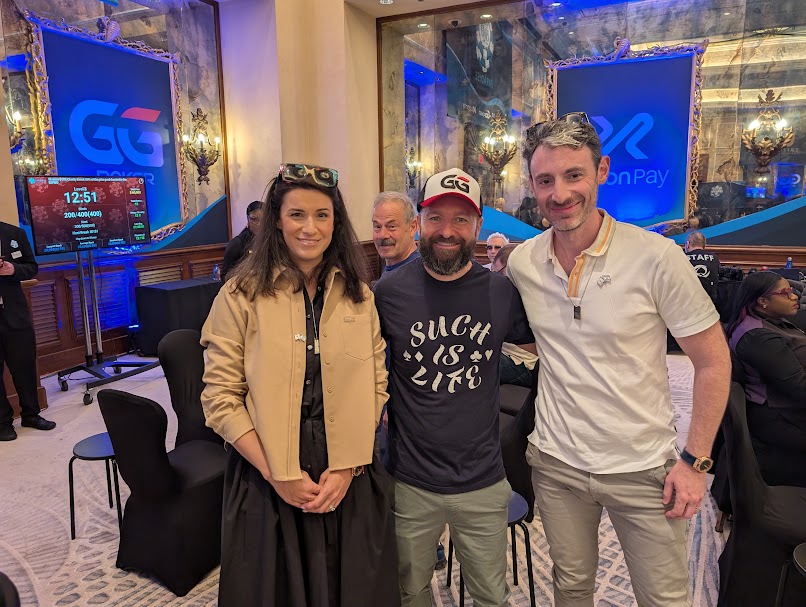
This tournament recap wouldn’t be complete without mentioning the enthusiastic, full-throated, and wholehearted support of Poker Hall of Famer Daniel Negreanu. Unable to participate in the tournament due to having made Day 2 of the $25K Dealer’s Choice event–he is here in the Bahamas to chase bracelets, after all–Daniel made a point of showing up to mingle with the players and add his unique energy to the scene. Vlog camera firmly in hand, Daniel made sure that many laughs and smiles were had by all. See for yourselves, starting at the 4:15 minute mark:
Finally, quite literally putting his money where his mouth is, Daniel made a $10,000 charitable donation of his own.
A Hollywood-esque Ending
In a conclusion that couldn’t have possibly been more poignantly and perfectly scripted, Ory Weihs and Anna Meissner (the Shalem Fund founders who first conceived the initiative’s idea) incredibly found themselves as the last two players standing.
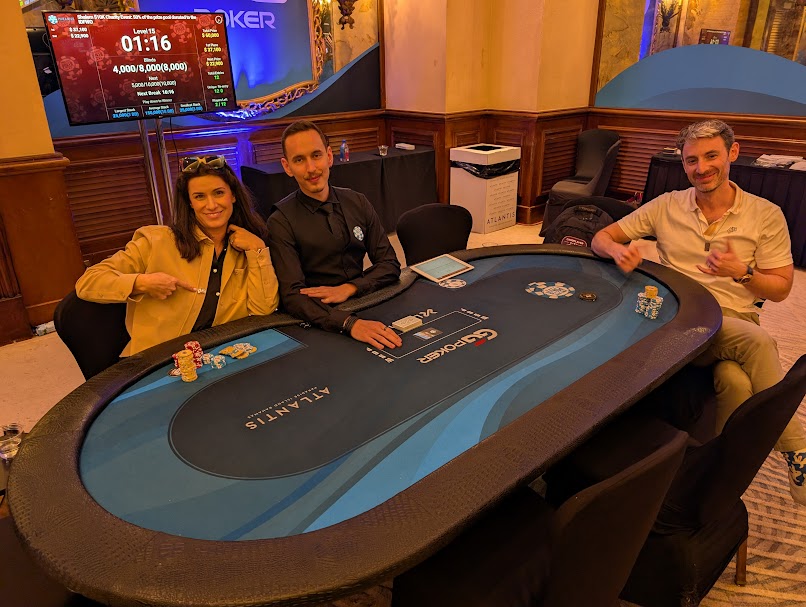
With only two places paid, true to their commitment, the couple snap-decided to donate the entire $60,000 prize pool to the IDFWO, thereby doubling the initially designated 50% charitable portion of the proceeds.
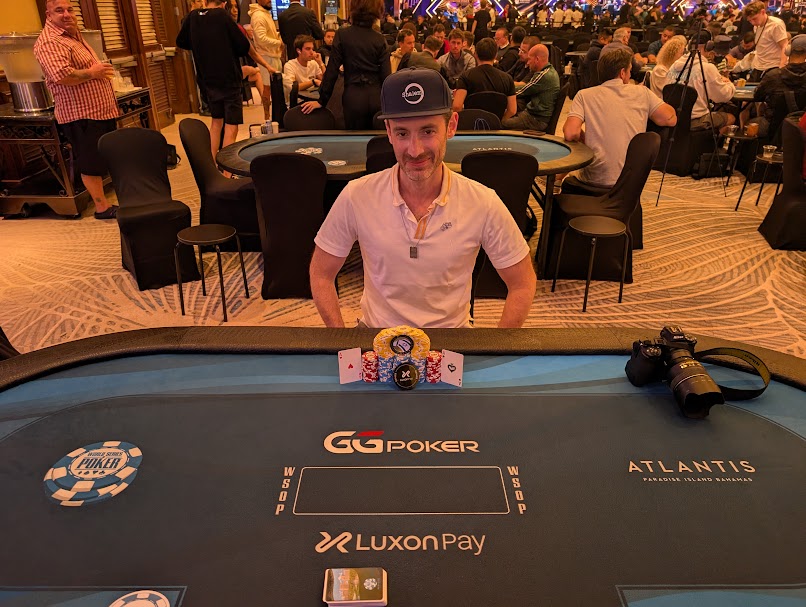
For bragging rights around the house and to determine “which spouse would be sleeping on the couch,” Ory and Anna did play out the heads-up portion of the tournament, and after a few hands, Anna’s A10 offsuit shove ran into Ory’s AA. So, he’ll have the lovely winner’s photo below to gaze upon… from the couch. 🙂
I was there and witnessed the entire thing; I swear I’m reporting the action accurately; it was just incredible and too poetic for words to adequately capture.
A couple additional contributions were privately put forth while the tournament was ongoing, which when combined with Phil Hellmuth and Sorel Mizzi‘s donations from a couple days ago and Negreanu’s $10K donation, pushed the total charitable funds raised to approximately $140,000.
To everyone who participated, donated, or lent their support in any way: thank you for being part of this exquisitely wonderful charity poker story.
PokerStars is making waves at this year’s European Poker Tour (EPT) Prague with the debut of their first-ever Mixed Games Main Event. Featuring a €2,200 buy-in and awarding a coveted PokerStars shard trophy for the winner, this groundbreaking event underscores the growing popularity of mixed games both live and online and reinforces PokerStars’ dedication to innovation and increased game variety beyond No Limit Hold’em and Pot Limit Omaha.
The event is slated to kick off tomorrow, December 12, and follows what has been a robust presence of numerous mixed game tournaments on the schedule, including the €1,100 Big Bet Mix and the €550 H.O.R.S.E. Other staples, such as the €1,100 and €5,200 8-Game tournaments, rounded out a lineup that’s certainly created excitement among enthusiasts of poker’s more nuanced formats.
Why Mixed Games? PokerStars Ambassadors Explain
Parker Talbot, a five-time WCOOP champion with victories in H.O.R.S.E. and 8-Game formats, describes mixed games as the ultimate challenge. “Mixed Games are the ultimate test of skill, strategy, and adaptability,” Talbot says. “Watching WCOOP and SCOOP final table replays is easily the best way to study, if you aren’t using some of the few mixed game tools” or enrolled with one of the big poker training sites.
Talbot isn’t alone in his enthusiasm. Double WCOOP champion and popular streamer Sebastian Huber, who won a H.O.R.S.E. title earlier this year, emphasizes preparation. “The more you practice, the better you will get,” Huber advises. With “so many good Mixed Game tournaments on PokerStars, you can practice as much as you want. I always love the atmosphere in mixed games tournaments. Everyone has so much fun!” he continued.
Finally, BSOP 9-Game champion GJ Reggie — who some of you may recall recently wrote a great 3-part mixed game miniseries of mixed game strategy articles for Cardplayer Lifestyle — offers additional insights, highlighting the importance of focus. “Pay attention to everything: blinds, limits, game types, and position,” she says. She continued on to mention that games like NL 2-7 Single Draw are less familiar to many players, so understanding the dynamics, including the larger antes and fewer betting rounds, can give you an edge.
A Solid Step Forward for Mixed Games
The €2,200 Mixed Games Main Event is a three-day, single re-entry tournament that’s meant to recognize and celebrate the increasing demand for these poker formats. PokerStars even ran online qualifiers to ensure players of all levels had a shot at this milestone event.
The tournament’s 10-Game rotation includes:
- Fixed Limit 2-7 Triple Draw
- Pot Limit Omaha
- Fixed Limit Stud Hi-Lo 8 or Better
- Fixed Limit Badugi
- Fixed Limit Hold’em
- No Limit 2-7 Single Draw
- Fixed Limit Stud
- Fixed Limit Omaha Hi-Lo 8 or Better
- No Limit Hold’em
- Fixed Limit Razz
More Mixed Games Are Better!
It’s great to see one of the world’s leading poker operators double down on their commitment to growing mixed games, giving players more opportunities to compete and improve their skills in these diverse poker formats.
As our loyal fans know, mixed games have long been something we’ve strived to advocate for and showcase here at Cardplayer Lifestyle. Over the years, we’ve hosted nine Mixed Game Festivals, offering recreational players and pros alike a chance to compete in a friendly, community-driven environment.
Among these festivals, many have been proudly sponsored by PokerStars, including the most recent Mixed Game Festival IX, held in partnership with PokerStars during the 2024 NAPT Las Vegas. This collaboration reflects a shared commitment to promoting mixed games and ensuring they remain an integral part of the poker landscape.
In mid-July, I received a message from my friend, Ory Weihs. He wanted to know if I’d be interested in collaborating with the Shalem Fund, a nonprofit he and his wife, Anna Meissner, founded in Prague. Having done well for themselves in the business world, Ory and Anna now choose to devote their lives to philanthropy. The Shalem Fund, established in 2023, champions projects that make a tangible difference both in Israel and the Jewish Diaspora. Shalem’s mission is clear: to promote the security, prosperity, and peace of Israel and its people.
Ory’s idea? Organizing a $10K charity poker tournament to benefit the Israel Defense Forces Widows and Orphans Organization (IDFWO). And so began an intense few months of planning, networking, and behind-the-scenes work.
Building the Foundation
The first piece of this ambitious puzzle was securing the support of one of poker’s most recognizable names: Daniel Negreanu. Graciously, he agreed to get behind the idea. With the Poker Hall of Famer on board, the dominoes slowly began to fall. Fully “on the down low”, we engaged in extensive recruiting efforts.
We reached out to numerous people in the poker community and wider industry who had the means to participate in a $10,000 buy-in tournament, as well as recreational players and poker enthusiasts who we believed would potentially relish the experience of playing alongside Daniel and were properly bankrolled to participate in such a venture.
Then, in late October, came a game-changing moment: Isai Scheinberg, the visionary founder of PokerStars, expressed interest in supporting the cause and the initiative. Through discussions he initiated with GGPoker founder Michael Kim, the tournament was scheduled to be held at 2024 WSOP Paradise in the Bahamas.
Both GGPoker and Scheinberg took an active role in ensuring the event would be a success. Eric Hollreiser, owner of Poker.org, also enthusiastically joined the effort, offering advice and support as well as networking within his Rolodex of high-profile poker personalities to help us fill seats.
Through our combined efforts, and with the tremendously helpful assistance of WSOP COO Greg Chochon, we were thankfully able to secure many player commitments ahead of making the event publicly known. That might not sound like much, but given the price point and considering the fact that it’s tough to pin down a poker player to commit to anything (IYKYK), it was a pretty solid foundation upon which to move forward.
Verbal is Binding, But Action’s On Us… and Actions Speak Louder
Our priority while planning the event was to avoid attracting any potential negative attention (more on that, later) that could overshadow the purpose of the initiative. This wasn’t about publicity—it was about doing a good deed. So, we purposely kept everything on the down low, until the last minute.
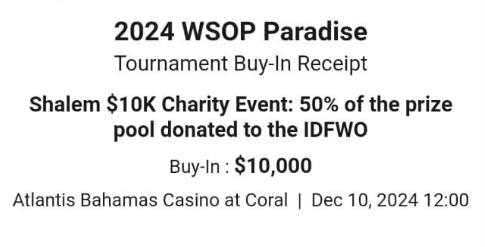
The tournament is slated to take place tomorrow, December 10th at 12pm in the Atlantis Conference Center. It’ll feature a turbo structure and late registration for just over two hours. We’re optimistic and with 50% of each $10K buy-in going towards charity, we’re hoping to clear six figures in total funds raised.
These funds will go towards providing widows and orphans of Israeli security forces with critical care and support. From retreats and leadership seminars to children’s camps—like the Otzma Camp, in Cyprus—and enrichment courses, the goal is to sustain these families and offer them opportunities to heal, grow, and rebuild their lives.
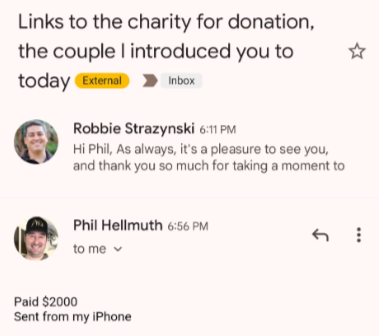
I told a number of poker pros who I bumped into today at Atlantis about the charity poker tournament. A couple notable ones, despite not being able to play in the tournament due to prior commitments, blew us away by stepping up in a big way to lend a helping hand. First there was Phil Hellmuth, as you can read in this story eloquently captured by PokerNews’ Chad Holloway.
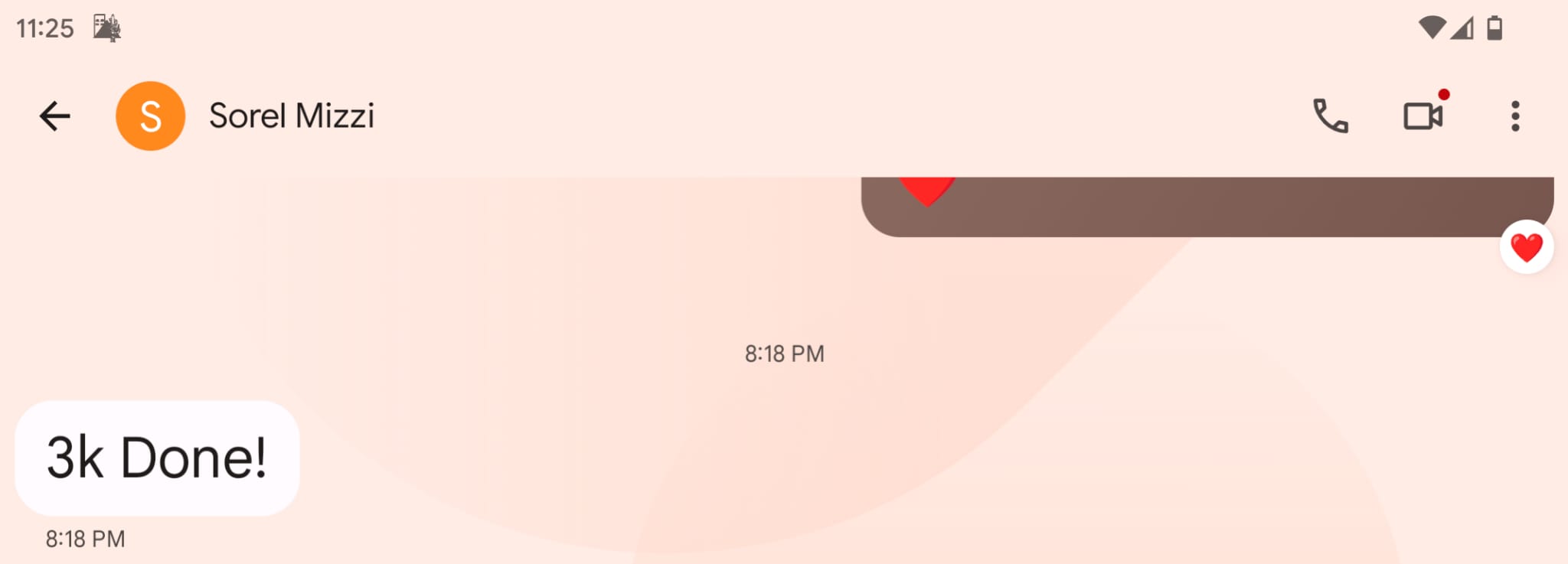
Later in the day, Sorel Mizzi made us an offer we couldn’t refuse: “We have a big order for Nobu. If you could please go and pick it up for us and bring it to the table, I’ll make a donation to the charity.” We did just that and next thing you know…
Upon witnessing these incredible acts of generosity, Anna’s immediate reaction was “I can hardly believe what is happening here. I need to take a minute to process it. All this money is going to change the lives of kids who paid the highest price. And it’s going to help relieve so much pressure on the widows.”
When Eric and I heard Anna utter those words, we, too, had to take a moment to reflect on what all this selfless giving means at the end of the day.
Poker players can truly be wonderful people! “Small” gestures to them have the power to make an indescribably big impact.
Facing Fear Heads-Up
Throughout the six months I worked on this project, I personally felt a slight, albeit ever-present undercurrent of trepidation given the current political sensitivities surrounding Israel. What if “the wrong people” found out? It could jeopardize everything we were doing. In today’s world—2024, no less—I often find myself afraid to publicly wear my yarmulke or openly share that I live in Israel; so sensitive is the issue.
Sadly, this fear isn’t baseless, and it’s that very same type of concern that made us so hesitant to publicize the tournament until the last minute. The people behind this initiative didn’t seek recognition. Their sole aim was to help those in need; people whose family members have given the ultimate sacrifice and through no fault of their own find themselves in tremendous distress.
With less than 24 hours until shuffle up and deal, however, staying silent any longer about what we hope to achieve through the charity poker tournament would do a disservice to the spirit of giving that inspired it.
I’ve been 100% “on the down low” about this, but now is finally the time to share (at least the beginning of the story).
I’m in the Bahamas at @WSOP Paradise doing something very important.
So incredibly grateful to have this special opportunity.
For things I believe in, I… pic.twitter.com/hWlMq3FMBh
— Robbie Strazynski (@cardplayerlife) December 10, 2024
Moreover, on a personal note, I need to overcome that aforementioned fear and not be afraid to own who I am and the values I stand for. Regardless of one’s stance on the Israeli-Palestinian conflict, you’ve got to be a real piece of work to voice protest against raising money to support widows and orphans.
What It Means to Be the Light in a World of Darkness
As we approach the shortest day of the year, when darkness seems to reign supreme, we must remember the power of light. The holiday season reminds us of our ability to illuminate lives and rekindle hope for those whose joy has been all but extinguished.
Fred Rogers famously said, “Look for the helpers.” Sometimes, those helpers take pains to remain hidden, working quietly to make a difference. But initiatives like this—work this special, help this vital—must be publicized.
To everyone who participated, supported, or cheered from the sidelines: thank you. Thank you for showing up, for stepping up, and for demonstrating what it means to be a light in this world.
May we all strive to follow in your footsteps. And may the world be blessed with a time of such great light that special deeds and initiatives like these will no longer have to hide in the shadows.
Editor’s Note: On behalf of the organizers, we apologize to anyone in the poker community who might’ve wanted to participate but who we inadvertently failed to reach out to. It wasn’t intentional; plainly speaking, the sensitivity of the initiative required careful discretion. Thank you for understanding.
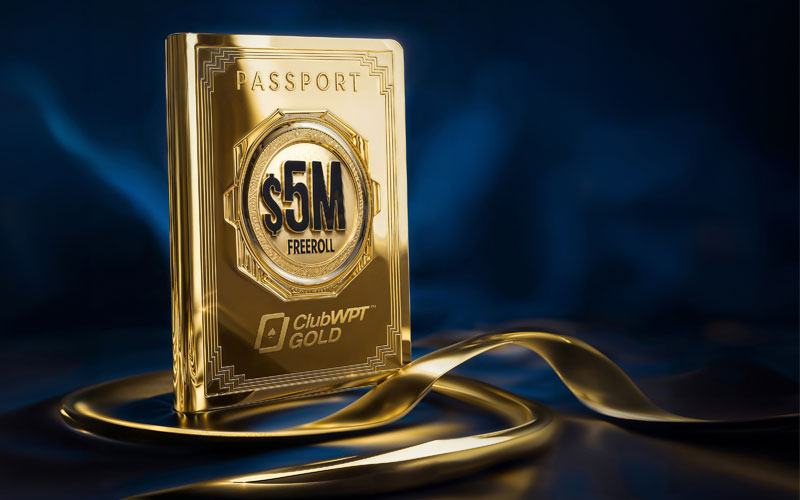
In October, as I scrolled through Twitter, I saw a variety of contests popping up for the ClubWPT Gold $5M Freeroll, and right away I was curious what it was all about. ClubWPT Gold is a new platform being launched by the World Poker Tour. This freeroll represents WPT’s way of super-charging their 2024 WPT World Championship festival in Las Vegas. There would be a $5 million prize pool, with only 2,000 players invited, 25% paid, mystery bounties added deep in the tournament and even 100 seats awarded to the $10K World Championship event itself.
It’s one thing to play in a WPT event, but this was clearly a one-of-a-kind happening and it immediately had my attention. I had to find a way to get in. After hearing about the opportunity, it was clear that this was a chance I couldn’t miss out on.
The Beginnings of a Poker Dream
I started doing my homework. I made a list of every WPT ambassador I could find, following them all on Twitter. I wanted to make sure I wouldn’t miss out on any contest or giveaway related to the tournament. Every day, I checked for updates, hoping I would catch the next opportunity. It wasn’t enough to just be passive; I was determined to make my own luck.
Then, in mid-October, I saw it—a contest from Ethan Yau; a.k.a., Rampage Poker. The idea behind it was simple but felt perfect for me. He was asking contestants to show off their own poker punts. The challenge was to create any content around this concept, and as someone with a deep love for both poker and video editing, I knew exactly what I needed to do.
My video would cut deep for any tournament player. I’d be playing at a big final table, facing pressure from the big stack. I’d call off my tournament life with many shorties still alive—sending my opportunity up in flames through ICM suicide. But the twist? After my elimination, I’d meet the Poker God, who would tell me that I could only redeem myself by not punting in the upcoming ClubWPT Freeroll tournament.
The Video That Won It All
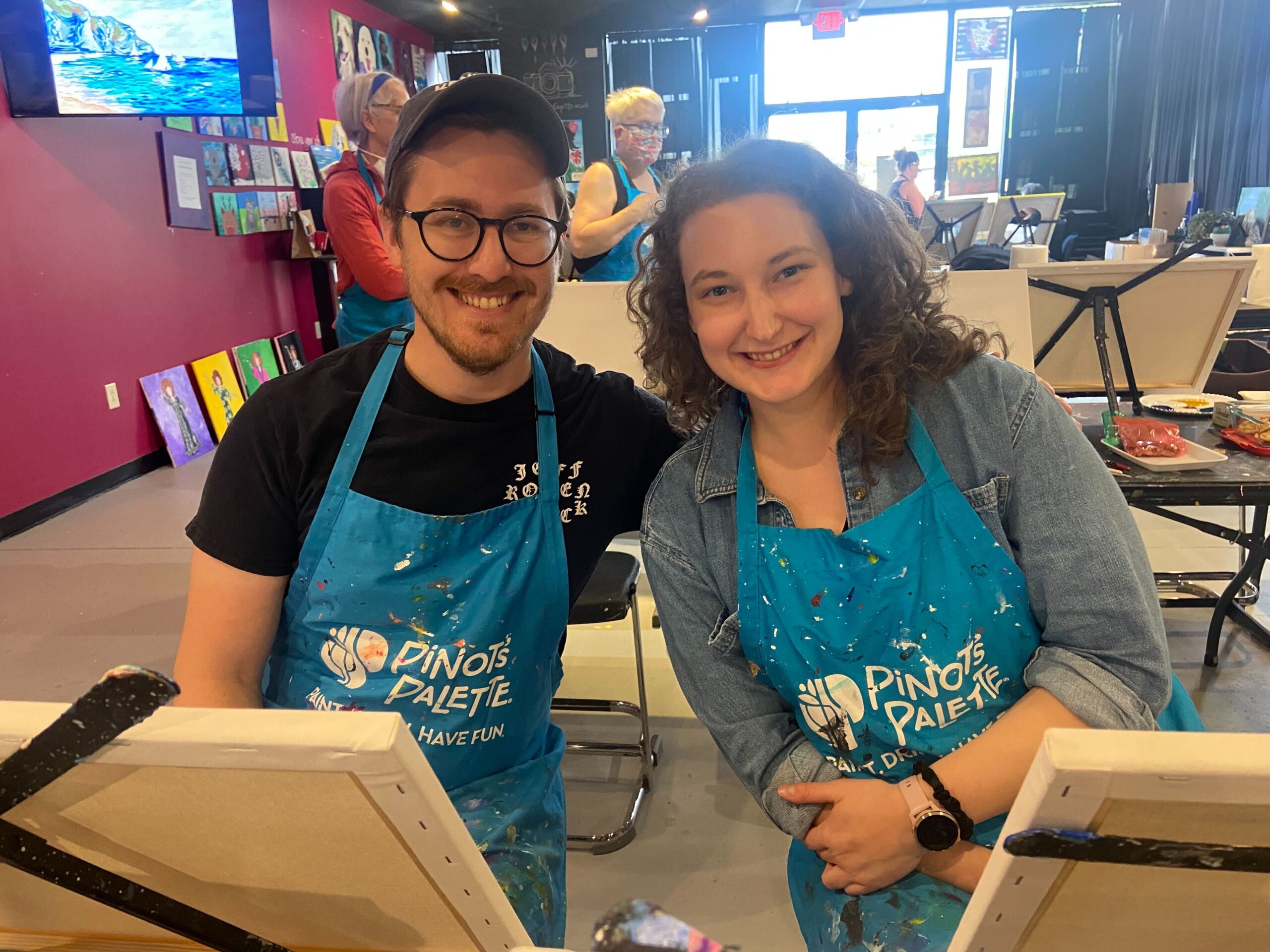
My girlfriend Megan has always been so supportive of my hobby, interested in my playing and curious about such a niche game. If I were to win a passport, we would go to Vegas together and introduce her to this crazy world of tournament poker. She loved the idea and helped me film the video that I would go on to submit to Rampage.
The plot required costumes—a southern cowboy look and a Jesus costume to represent the Poker God. I scoured online shops for the most affordable options and began plotting out the sketch. Within a week, the video was filmed, edited, and ready to go.
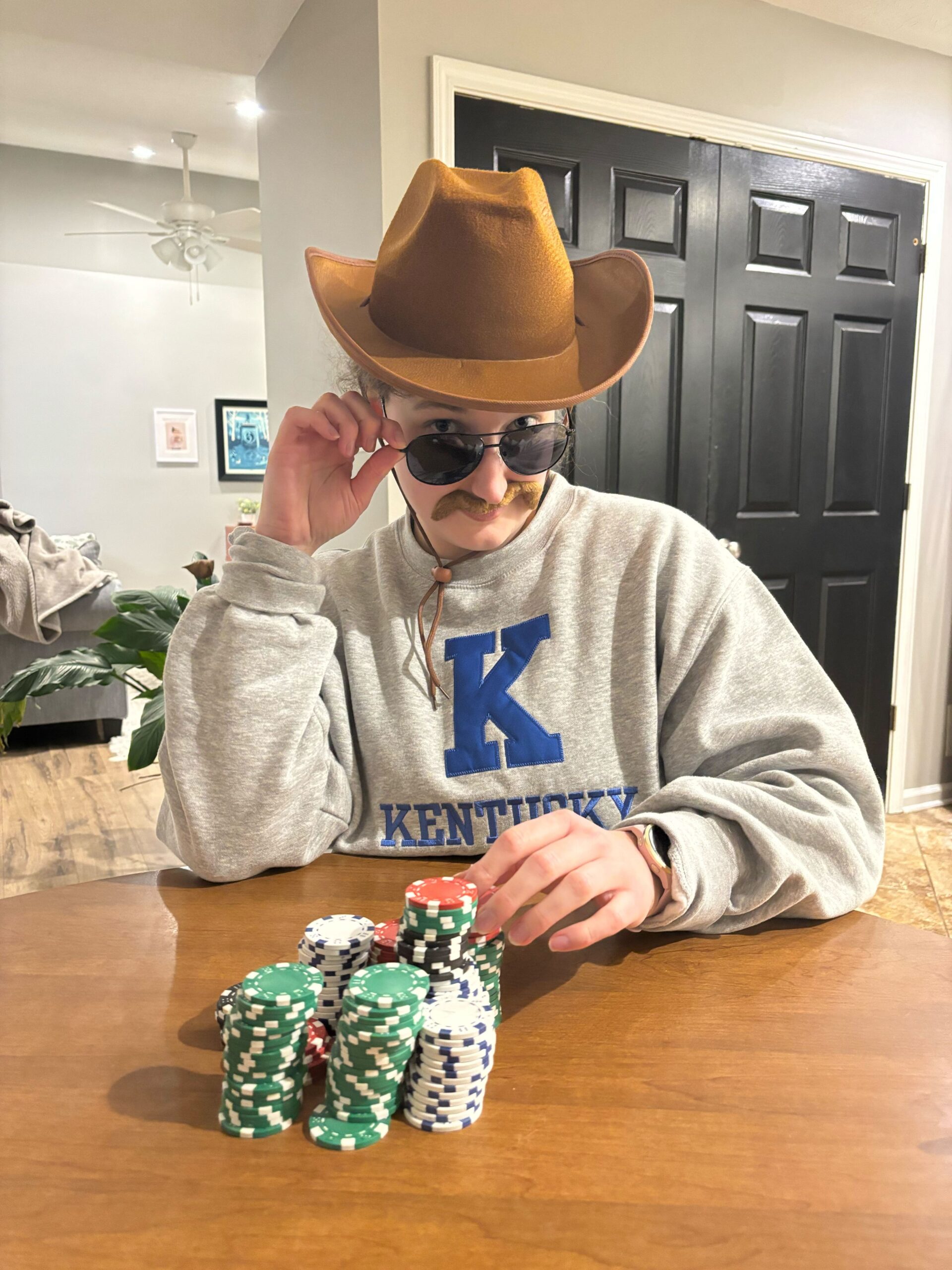
I submitted the video to Rampage’s contest with a feeling proud of what we worked on. But I knew the competition would be tough, and there was no guarantee here. Regardless, I was proud of what we made and hoped it would stand out.
I’m using my One Time, @rampagepoker. Let me prove it to you in Vegas. #WPTGoldPunt pic.twitter.com/6mN9495eAG
— Jonathan Coffman (@jcoffmanky) October 25, 2024
Winning the ClubWPT Gold Golden Passport
Two weeks later, the moment arrived. I had been anxiously watching the contest for updates, and when I saw that Rampage had liked my tweet, I felt a surge of hope. I turned to Megan and started to tell her what had just happened. But before I could even finish my sentence, a direct message from Rampage popped up in my inbox.
He told me that I had won the ClubWPT Gold Golden Passport.
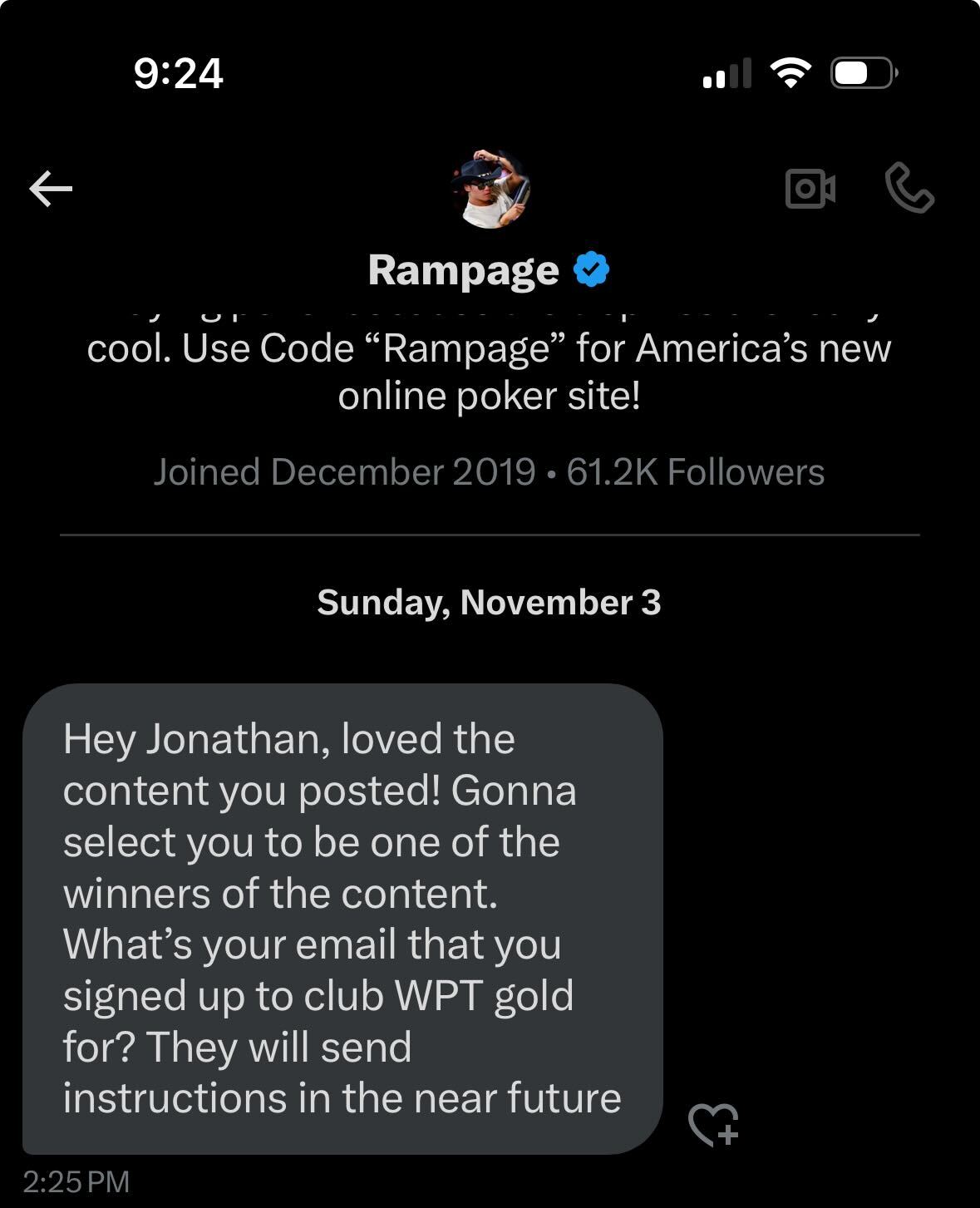
The news was so surreal that it completely took us by surprise. We were sitting around on a lazy Sunday afternoon, then, suddenly, we were planning a trip to Las Vegas. We rushed to search for flights, checked hotel rates, and started outlining our itinerary for the trip. Within hours, we had booked a long weekend to attend the event. Our excitement was off the charts as we realized this was a once-in-a-lifetime opportunity to be a part of something extraordinary.
Preparing for the ClubWPT Gold $5M Freeroll
Once the initial excitement settled, I began to seriously think about the upcoming tournament. As someone who typically plays micro stakes poker tournaments online, this event would be a whole new ballgame. The ClubWPT Gold Freeroll tournament has a fixed number of entries, pays out to 25% of the field, and introduces the added complexity of being a mystery bounty event later on, as the field whittles down. There are a lot of unknowns to navigate, and the strategy would have to differ significantly from the standard tournaments I was used to.
In preparation, I turned to one of my favorite poker authors, Dara O’Kearney. I had read nearly all of his strategy books and had even met him once before. As soon as I knew I would be playing a mystery bounty tournament, I bought the book Mystery Bounty Strategy by O’Kearney and Barry Carter. It was a quick read and immediately helpful, but it didn’t stop there.
O’Kearney and Carter released a free seminar specifically designed to help players adjust to the unique elements of this kind of tournament. As soon as I saw the announcement, I knew I had to watch it. I made it my priority to consume this content before the event, and I plan to rewatch it once more before the tournament this week to ensure I have a solid grasp of the strategy.
The @ClubWPTGold $5M Freeroll has the craziest payout structure ever:
✅ Flat payouts early
✅ Top-heavy late
✅ Mystery bounty
✅ Random $10,300 seat prizes@daraokearney & have have ‘solved’ this payout structure & you can see our new course for FREE
👉 https://t.co/4K5xOdwe9P pic.twitter.com/phqqlPlTiE— Barry Carter (@Barry_Carter) November 22, 2024
In addition to all of this, I’ve made an effort to get some bounty tournament experience online. While most of the online games I played were small-stakes PKOs (Progressive Knockouts), they still provided some valuable insight into how players react when there are more than just chips at stake.
The Calm Before the Storm
As the tournament draws near, I’ve started to reflect on my goals and expectations. There is a lot to be excited about. The prize pool is massive, and the structure is such that a significant portion of the field will be paid. Even a modest cash would be something to brag about, and the chance to have a WPT cash on my Hendon Mob page would be a huge achievement for a weekend warrior poker player like me.
One of the most intriguing aspects of the event is the unpredictable nature of the field. With so many entries coming from giveaway contests, it is impossible to predict how players will approach the tournament. Many of them are likely recreational players like myself, maybe regulars in $1/3 or $2/5 cash games. But, I also noticed that more experienced players have recently won their seats into the event, and that’s made things more interesting.
In terms of strategy, I know the event will have its share of variance, especially once mystery bounties are in play. In the end, I can only go in holding myself accountable for staying aware of player dynamics and adjusting to each situation accordingly. I’d love to make a deep run and collect the biggest bounties, but ultimately, my goal is to stay focused on the process. If I can avoid making mistakes and play with confidence, I’d consider it a success—no matter where I ended up finishing.
Conclusion
The journey to winning the ClubWPT Gold Golden Passport has been a whirlwind of excitement, preparation, and learning. I’m beyond thrilled to be part of this unique event, and I’m incredibly grateful for the opportunity. As I head into the tournament, I’m ready to face whatever challenges come my way, all while holding myself accountable for making the best decisions I can. Whether I come out on top or not, I’ll walk away from this experience proud of how I played, having redeemed myself in the eyes of the Poker Gods.
If you’re serious about honing your poker skills, becoming a member of the PokerCoaching.com community is an essential step. The platform offers videos that build upon the fundamentals found in the 10-article series of MTT Poker Basics articles that I published here at Cardplayer Lifestyle, taking your understanding of the game to the next level. Let’s explore how some of the standout videos from PokerCoaching.com reinforce and expand on these foundational concepts.
Learning Preflop Ranges
In Jonathan Little’s 3 Key Preflop Exploits in Large Field Tournaments, you’ll learn to move beyond simple preflop charts. In this video, Little investigates the most exploitable spots that are often found in soft larger fields full of various tight, aggressive, or “fishy” players. It is a natural next step after mastering preflop in theory, as discussed in MTT Poker Basics.
WATCH: 3 Key Preflop Exploits in Large Field Tournaments by Jonathan Little
READ: MTT Poker Basics: Learning Preflop Ranges
Playing Button vs Big Blind
Matt Affleck’s video, WSOP Preparation – Button RFI, is a 90 minute primer on all aspects of opening hands from the late position. The video is excellent for those diving into their study as it mixes PIO solver strategy solutions with Affleck’s experience in exploiting weaker WSOP fields. This video does include material related to playing versus the small blind, but rest assured it is the perfect place to start for one of tournament poker’s most common scenarios.
WATCH: WSOP Preparation – Button RFI by Matt Affleck
READ: MTT Poker Basics: Playing BTN vs. BB
Small Blind Fundamentals
In Playing from the Small Blind [Postflop], Matt Affleck explores the tricky nature of playing out of position from the small blind. Here, Affleck breaks down the postflop strategy into clear steps of understanding the preflop ranges, response to c-bets, and the biggest mistakes from the general population. Affleck is one of PokerCoaching’s long-tenured coaches that proves time and time again his experience is invaluable for students.
WATCH: Playing From The Small Blind [Postflop] by Matt Affleck
READ: MTT Poker Basics: Small Blind Fundamentals
Adjusting in Multiway Pots
Jonathan Jaffe’s Mastering Multiway Pots In Tournaments is a must-watch for players who love hand histories. Jaffe does a fantastic job of breaking down situations where equity is broken down between opponents. He notes exploits and tendencies that he finds in both low and high buy in fields, helping the audience learn from his experience and see the game through his eyes.
WATCH: Mastering Multiway Pots In Tournaments by Jonathan Jaffe
READ: MTT Poker Basics: Adjusting in Multiway Pots
Short Stack All-In Strategy
In Short Stacked GTO Preflop Strategy, founder Jonathan Little puts on a clinic in short stack strategy. As is PokerCoaching standard, the video goes to great lengths to explain the difference in strategy across stages of the tournament and against various player types. Little goes on to examine many specific charts to follow across multiple stack depths, which are available to PokerCoaching members as an evergreen resource.
WATCH: Short Stacked GTO Preflop Strategy by Jonathan Little
READ: MTT Poker Basics: Short Stack All-In Strategy
Single-Raised Pots Out of Position
Jonathan Little returns to explore the complexities of playing out of position in USPO Review with Justin Saliba. His breakdown of Saliba’s play during a final table in the PokerGO Studio offers insight into how elite Vegas regulars are playing this tricky scenario in high pressure situations. The video examines Saliba’s specific hand histories, giving the audience access to his thoughts in the moment as well as his reflections on the plays with Jonathan Little.
WATCH: USPO Review with Justin Saliba and Jonathan Little
READ: MTT Poker Basics: Single-Raised Pots Out of Position
Understanding Board Textures
In When to Continuation Bet Based on Board Texture, Jonathan Little explores a variety of board textures and how they and your position should impact postflop strategy. The video serves as an excellent primer to free resources like Equilab, as Little demonstrates how understanding your range advantage on certain boards can help you lean on your opponent. This video will help you take the leap forward in playing your range, not your cards.
WATCH: When to Continuation Bet Based on Board Texture by Jonathan Little
READ: MTT Poker Basics: Understanding Board Textures
Conquering 3-Bet Pots
Matt Affleck provides another excellent overview with 3 Bet Pots as the Aggressor, an 80 minute deep dive into the complexities of announcing you have a strong hand. As always, Affleck provides a detailed guide to the situation at hand based on game theory principles. This video is a recent addition, meaning Affleck takes advantage of PokerCoaching’s latest feature PeakGTO, which allows users to explore their options through pre and postflop decisions. Check this one out for a guide to the new feature along with the aggressive raising strategy.
WATCH: 3 Bet Pots as the Aggressor by Matt Affleck
READ: MTT Poker Basics: Conquering 3-Bet Pots
Running Deep with ICM
In Postflop ICM as the Chip Leader, Chris Brewer begins his series on ICM as part of the PokerCoaching Tournament Domination course. This first video wastes no time getting right into the action, focusing on Brewer’s own play online as the chip leader at a GGPoker final table. It’s a great introduction showing how you can apply pressure to middling stacks that must fight to outlast the shortest. And it only serves as Part 1 of 13 in Brewer’s series on Postflop ICM strategies.
WATCH: Postflop ICM as the Chip Leader by Chris Brewer
READ: MTT Poker Basics: Running Deep with ICM
Winning the Tournament in Heads-Up Play
Finally, Shannon Shorr’s analysis of heads-up play gives you a peek behind the curtain of his play in a PokerGO Studio final table. Shorr focuses on the dynamic of playing outside the box against recreational players when in live tournaments. When these players reach heads up, they are far less experienced, and Shorr demonstrates how and when to crank up the aggression to put our opponents in a world of hurt.
WATCH: Heads Up Play in Live MTTs by Shannon Shorr
READ: MTT Poker Basics: Winning the Tournament in Heads-Up Play
Take Your Game to the Next Level
Joining the PokerCoaching.com community is a fantastic first step to moving beyond tournament basics. Each video highlighted serves as a powerful extension of the concepts introduced in beginner strategy articles, offering deeper analysis and practical application. PokerCoaching’s tight roster of experienced players is only outmatched by their ability as talented coaches, sharing their knowledge with the audience easily. If you’ve appreciated the MTT Poker Basics series, there is no question that PokerCoaching would be an excellent video library to take your game to the next level.
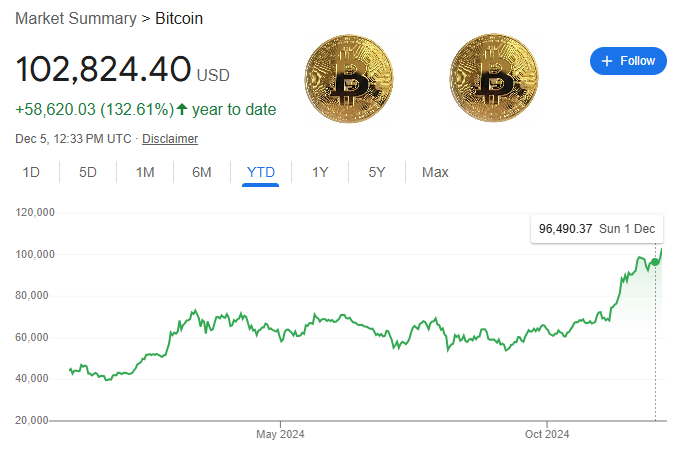
The poker world has long embraced innovation, and cryptocurrency is no exception. Anyone familiar with the poker community’s interactions on X (Twitter) won’t be surprised to often see many players celebrating the seemingly endless rise of Bitcoin. With the price of 1 Bitcoin just having climbed past $100,000, this digital manna from heaven offers endless possibilities for those fortunate enough to possess some to further enhance their love of the game.
Whether you’re a recreational player or a seasoned pro, owning Bitcoin opens up unique opportunities to invest in poker experiences, gear, and even unforgettable memories. So, if you’re looking for poker-specific ways to put your Bitcoin to good use, we’ve got you covered with our latest top 10 list.
1. Buy-In to High-Stakes Tournaments
Most poker players with limited bankrolls can only dream of playing high buy-in events. To point, playing in the World Series of Poker Main Event or the WPT World Championship is often a bucket list item. With a $10,000 price tag, that’s not surprising, but that’s just a tenth of a Bitcoin nowadays! So if you’ve got one, you’re in business!
A single Bitcoin could cover multiple high-stakes tournament entries or — if you’re of the No Gamble, No Future persuasion — a single entry into a nosebleed $100K tournament competing against the best players on the planet.
Should you fare as well at cards as you do with your Bitcoin investment, then the sky’s the limit for your burgeoning bankroll.
2. Invest in One-on-One Elite Poker Training
Poker players who take the game seriously know that you can sharpen your skills and elevate your game with top poker training programs. Platforms like Run It Once and PokerCoaching.com offer everything from beginner courses to advanced strategy sessions taught by world-class pros.
With a Bitcoin’s worth of money to invest with, however, you can take things to the next level by opting to give one-on-one training a try. Typically, lessons of this nature can cost a pretty penny — hundreds of dollars per hour — but the benefits of getting tailor-made advice on how to fix your poker game’s flaws directly from an elite poker coach are immense. With a Bitcoin in your proverbial pocket, it’s no longer out of reach for you!
3. Upgrade Your Home Poker Setup
For players who enjoy the camaraderie of home games, cashing in a Bitcoin could transform your game nights into professional-grade experiences. Invest in a custom-built poker table with high-quality felt, built-in USB charging ports, premium poker chips with personalized designs, and automatic card shufflers. You could even install a bar or entertainment system in your game room and splurge to hire a dealer, ensuring that your home game is the envy of all your poker buddies.
4. Fund an Online Poker Bankroll
Some of the best Bitcoin poker sites make it easy to deposit your cryptocurrency and jump straight into the action. With a $100,000 bankroll, you could comfortably play high-stakes cash games, participate in prestigious online tournaments, or grind your way up the stakes without worrying about running out of funds.
Note that even with that tidy six-figure cushion, you should still practice responsible bankroll management. There are too many horror stories out there about players just punting off stack after stack and watching their bankrolls dwindle. Don’t be one of those players!
5. Take Your Friends on a Poker Vacation
Take your poker dreams on the road by booking a trip to poker meccas like Las Vegas, Macau, or Monte Carlo. A Bitcoin’s worth of travel funds could cover first-class flights, luxury accommodations, and buy-ins to local cash games or tournaments not just for you, but also for your poker buddies! As great an experience it is to enjoy luxurious travel, living it up together with your poker friends makes such experiences that much more memorable. For an extra twist, try to align your trip with a major poker series.
6. Sponsor a Charity Poker Event
Want to use your newfound Bitcoin wealth to make a positive impact in the world? Funnel some of that money towards sponsoring a charity poker tournament or hosting a private charity poker fundraiser. You could fund the prizes, cover event logistics, and even create unique trophies for the winners. The attendees would pay buy-ins and entry fees with the funds going towards the charity, which would have limited to no overhead thanks to your generosity. Win-win-win!
7. Buy Poker-Themed NFTs
You’ve built Bitcoin wealth on the blockchain and now want to try and catapult that to even greater heights? Dive into the world of blockchain collectibles by purchasing poker-themed NFTs. These unique digital items might include iconic tournament moments, virtual poker table seats, or artistic representations of poker culture. Peruse the NFT marketplaces and see if there’s anything that strikes your fancy. Then, if you dare, take the plunge and own a piece of the game’s digital history.
8. Purchase Custom Poker Merchandise
Let your love of poker shine bright by investing in high-quality, custom-designed apparel and accessories. Think personalized hoodies, caps, or even luxury watches featuring poker motifs. For the ultimate splash, commission bespoke items like poker-themed artwork or jewelry to showcase your passion both on your person and around your poker pad.
9. Take a Shot in a Big Cash Game
Earlier on this list, we talked tournament poker, but many poker players prefer the cash game streets. Who among us hasn’t been playing at the $1/3 or $2/5 tables (or the $4/8 tables if you’re a mixed game player) and longingly looked over to the bigger games wishing we had the discretionary funds to take a seat and take a shot?
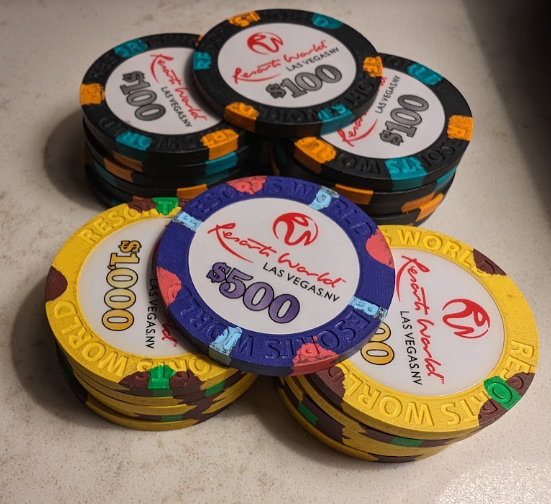
Well, with a Bitcoin to play around with, you most certainly can. We’re not talking about laying it all out on the table and potentially dusting it off in a nosebleed session, but setting aside $10K or so to sit in a bigger game than usual — like $10/20 for Hold’em players or an $80/$160 mixed game — could lead to the poker-playing experience of a lifetime!
10. Book a Poker Cruise
Combine your love of poker with an exotic getaway by booking a poker cruise with a company like Card Player Cruises. These cruises often offer daily tournaments, cash games, and the chance to mingle with fellow poker enthusiasts while sailing to stunning destinations. A Bitcoin could cover the cost of a luxury suite, multiple tournament buy-ins, and plenty of leisure activities to enjoy between hands.
Conclusion
As the price of Bitcoin continues to break records, poker players fortunate enough to have some in their crypto wallets have a golden opportunity to merge their passion for the game with this digital asset. Whether you’re investing in tournament buy-ins, elevating your home game setup, or treating yourself to a poker vacation, Bitcoin offers unparalleled flexibility. With its increasing acceptance in the poker community and in the world at large, there’s never been a better time to turn cryptocurrency into unforgettable poker experiences.
Or, of course, you could just continue to HODL. 🙂
*Disclaimer: Nothing in this article constitutes investment advice and I don’t personally own any Bitcoin. Just having some fun and wishing I had a cool $100,000 to play with and take my own Cardplayer Lifestyle to the next level. Alas…
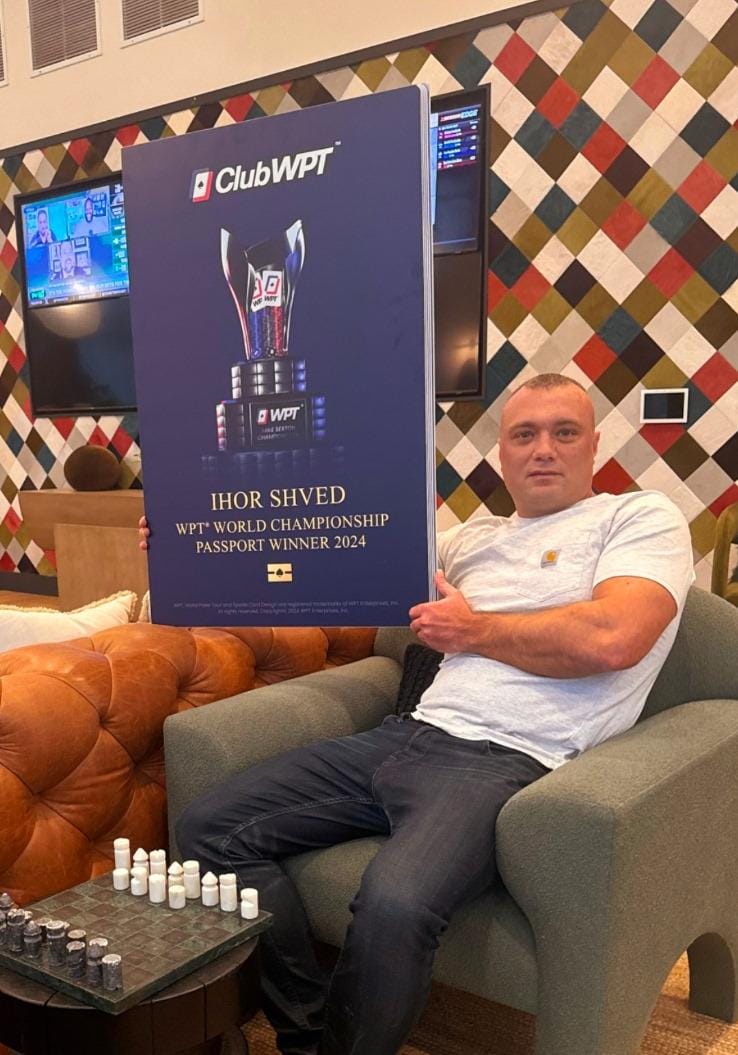
As poker enthusiasts worldwide eagerly anticipate the 2024 WPT World Championship at Wynn Las Vegas, each player who takes their seat at the felt carries with them a unique story. Among the hordes of players set to compete for one of poker’s most coveted titles and a permanent spot on the Mike Sexton Cup is Ihor Shved, a 38-year-old soccer coach and recreational poker player from Los Angeles, by way of Kherson, Ukraine.
From the Pitch to the Poker Table
Ihor’s life revolves around professional soccer. A former player turned coach, Ihor earned his Ukrainian Football Association coaching license in 2021, holding a category “C” diploma. He fondly recalls his passion for the game and his lifelong devotion to his favorite team, FC Dynamo Kyiv.
“Football has always been a major part of my life,” Ihor shared, noting the discipline and strategic thinking required to excel in the sport. These qualities, he believes, have translated well into poker. Both football and poker demand mental endurance, quick decision-making, and a keen ability to read opponents.
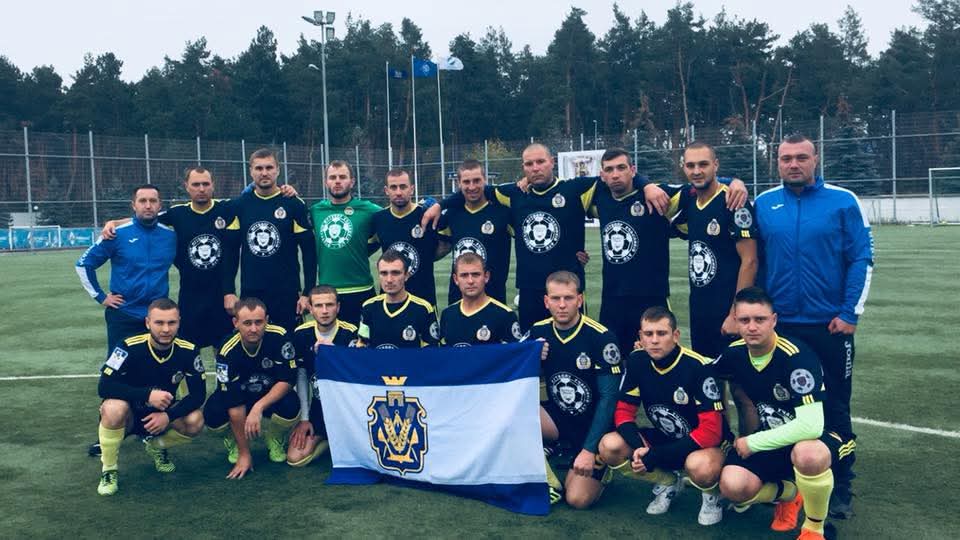
Discovering Poker as a Hobby and Passion
Poker first entered Ihor’s life during his youth as a recreational pastime, but it eventually grew into more than just a casual interest. “Poker is one of the very good ways to study mathematics and the logic of memory development,” he explained. Ihor views poker as a mental challenge, much like the puzzles he encountered as a football strategist.
Though poker remains a hobby, Ihor’s determination to improve is unwavering. His consistent studying and practice embody a Ukrainian proverb he holds dear: “Live forever, learn forever.”
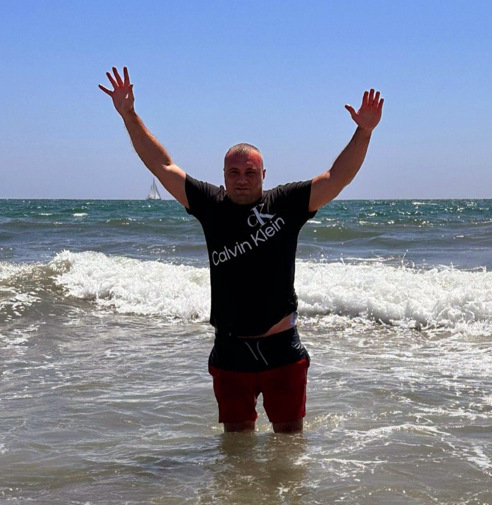
Ihor’s Road to the 2024 WPT World Championship
Ihor moved to Los Angeles in 2022 for medical rehabilitation. Two years ago, Ihor was visiting Las Vegas when he first noticed the grandeur of the WPT World Championship. Inspired, he decided to try his hand at online poker through ClubWPT. Over time, Ihor became a regular on the platform, where he enjoyed the tournament-focused gameplay and the opportunity to refine his skills.
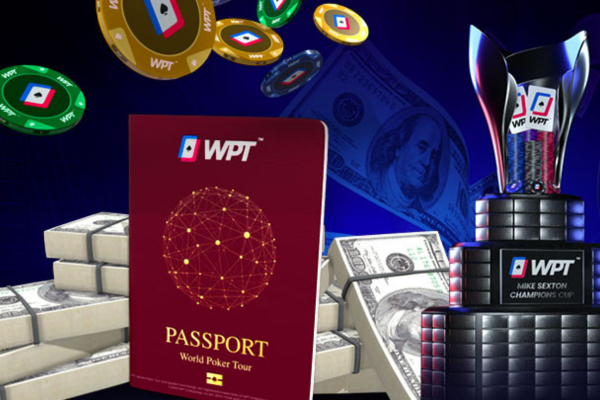
Winning a seat to the $10,000 buy-in WPT World Championship is the culmination of that effort and marks a new milestone in Ihor’s poker journey. Despite his amateur status, Ihor is approaching the tournament with confidence and an ambitious goal: to make it to the final table.
“This is the biggest tournament I’ve ever played,” Ihor admitted. “But I study constantly, and I’m confident in my abilities.”
What Lies Ahead in Las Vegas?
While it won’t be Ihor’s first trip to Las Vegas, heading out there to play in the WPT World Championship undoubtedly makes it his most significant. When asked what he would do with the money if he managed to cash, Ihor’s response reflected both pragmatism and optimism. A min-cash would be a solid reward, but his ultimate goal is to reach the final table and potentially walk away with $1 million or more.
A Story of Perseverance and Passion
Ihor’s journey from Ukraine to the WPT World Championship stage is a story of perseverance and passion. As a football coach, he’s spent years mentoring others to achieve their goals. Now, he’s applying that same mindset to his poker ambitions.
Whether or not he takes home the top prize, Ihor’s presence at the Wynn Las Vegas will serve as a reminder that poker is a game where anyone, regardless of their background, can dream big, and that sometimes those poker dreams can come true.
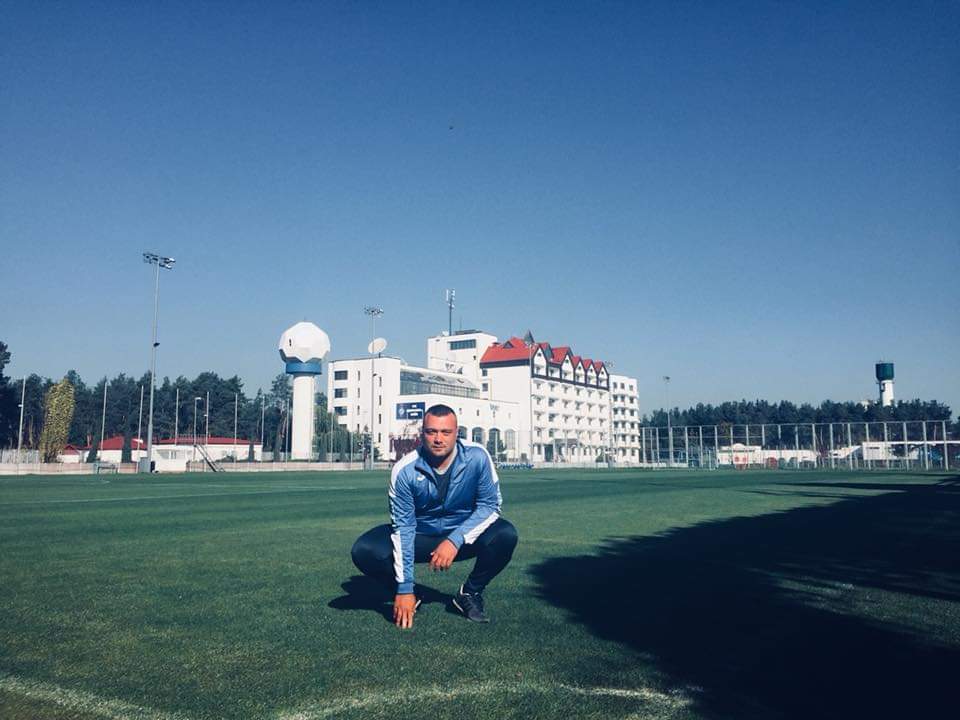
The 2024 WPT World Championship festival is now underway at Wynn Las Vegas. For the third year running, legions of players from around the world will gather at one of the finest properties that showcase poker for three weeks of action and excitement at the felt. Ensuring that everything runs smoothly from the operations side of things is the hardworking Wynn Poker team. Naturally, the award-winning Wynn Poker Tournament Director Ray Pulford plays a major role in those smooth operations.
Ray was kind enough to take the time to speak with us and share some insights about his career in poker, how his time as a pro player influenced his approach to being a TD, and a host of insights about the time, effort and passion he and his team bring to the WPT World Championship.
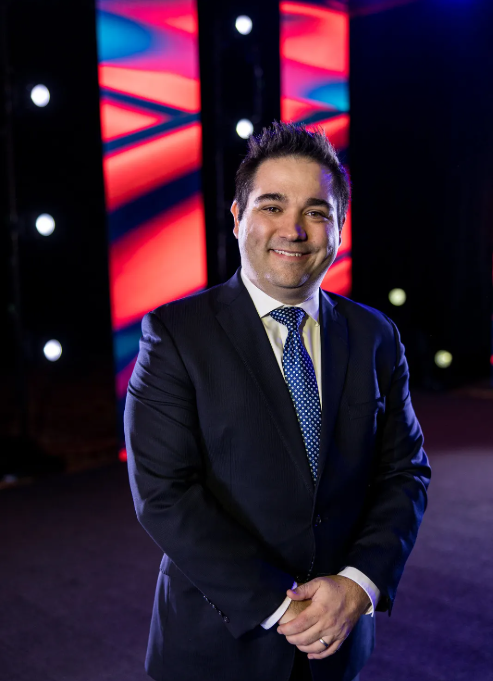
Ray Pulford Interview
Before getting into the industry side of poker, you used to grind for a living as a player, primarily in cash games. In what way(s) do you believe your past experience as a poker pro helps you in your role as a tournament director?
Like so many other players today, my experience began playing ‘party poker’. My college friends and I used to joke that we ‘majored in poker’. After college, several of us moved to Las Vegas to play professionally. In those years, I played ring games and met people from all over the world. I absorbed their stories and motivations, and what was important to each of them when playing. Those were all valuable takeaways and helped mold me into the Tournament Director I am today.
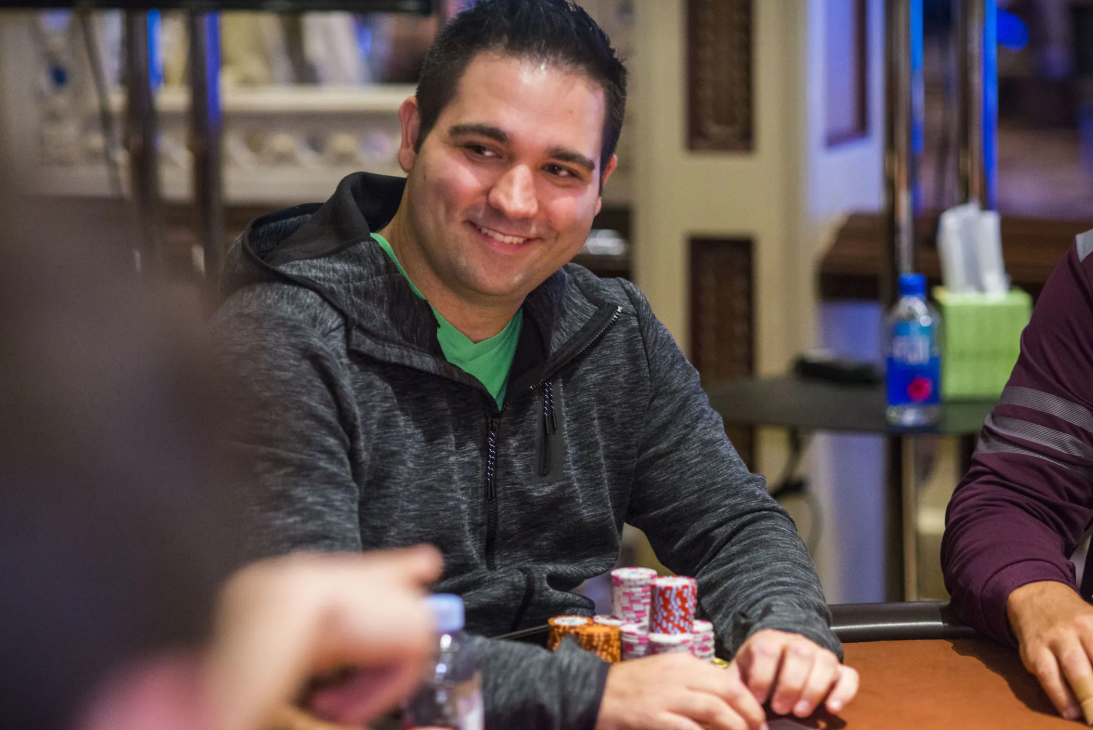
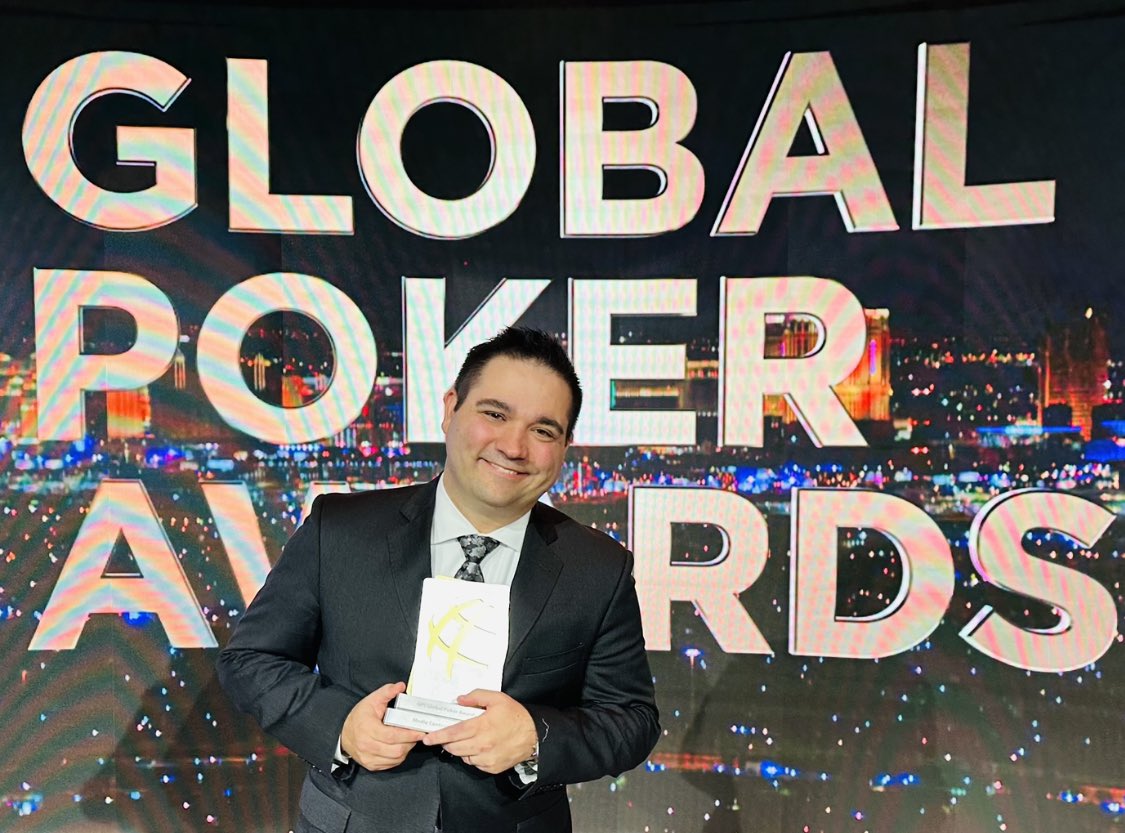
In 2022, you won the Global Poker Award for being the industry’s Best Tournament Director. In your view, what are the personal qualities that make for a good tournament director and what types of things should players be expecting from tournament directors?
My top priority is to listen to the players, and openly take their feedback. There is valuable information in each comment, both positive and negative, which helps propel us forward in each event we host. Players should expect an event to run efficiently and with integrity, so the Tournament Director needs to always put in the maximum effort to make the player experience the best that it can be.
You had already been working at Wynn for a number of years before your partnership with the World Poker Tour commenced in 2022. What do you remember being most excited about and nervous about ahead of Year 1 of the WPT partnership?
At that time in 2022, our tournament schedules were growing quickly and we were really hitting our stride. We had executed some major tournaments already – including the first Wynn Millions that had a $10 million guarantee. With the introduction of the Mystery Bounty format in 2021 we really solidified our reputation as a destination for tournament poker.
Before the debut of the WPT Championship, I was most excited to showcase our poker events to their global audience, including many new players and online qualifiers. The opportunity to do so, while also getting our team ready for a new challenge, was a very exciting concept all around.
READ MORE: A Historical Look at the WPT World Championship at Wynn Las Vegas
Wynn Las Vegas is now hosting the WPT World Championship for the third year in a row. In what ways have you witnessed the partnership evolve and improve over the last three years? What do you feel that you and your team have learned how to do better and in what ways will that be manifested at this year’s WPT World Championship festival?
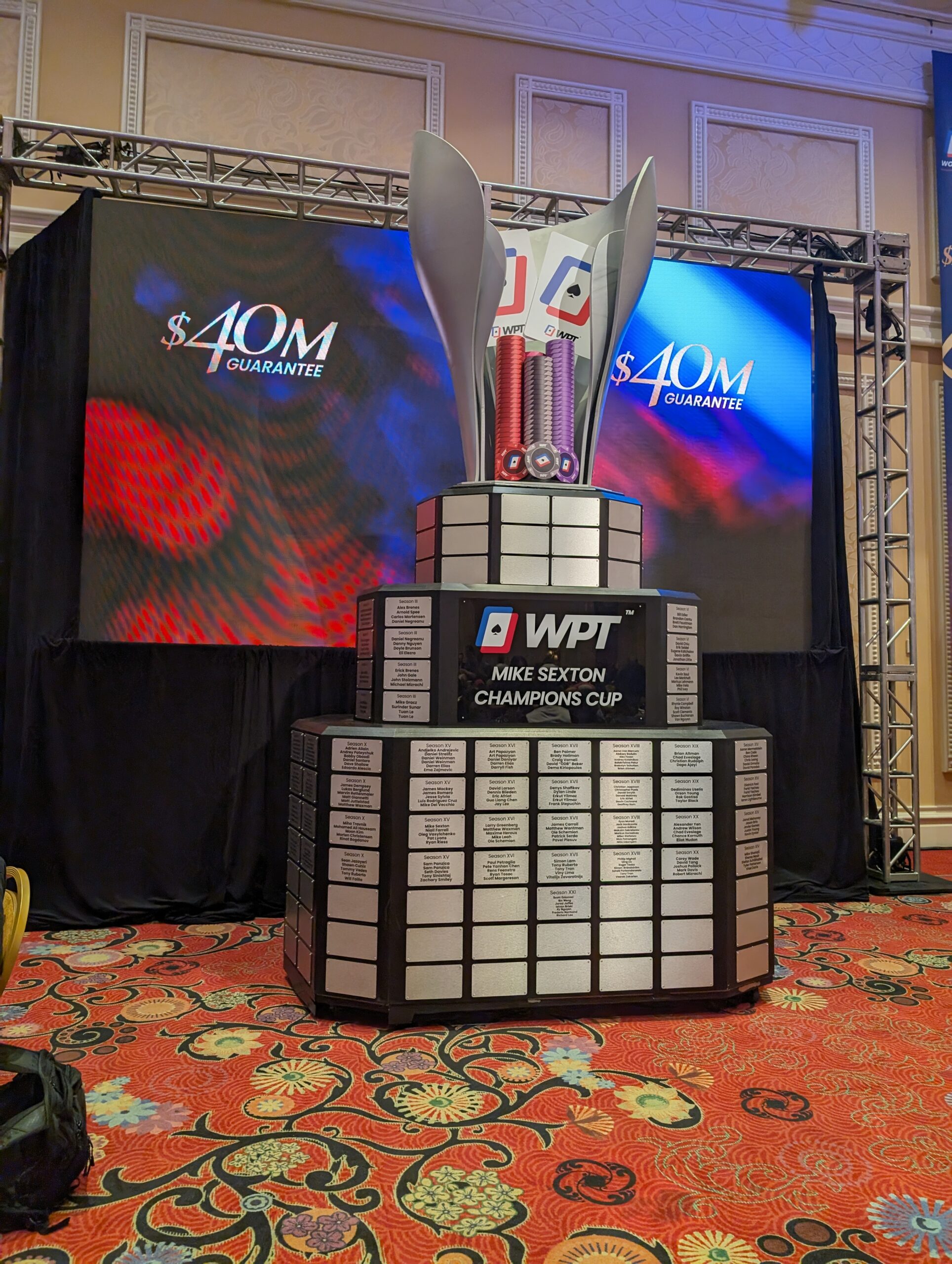
We are fortunate to have a strong partnership with the WPT team. They share our vision, as well as our priority for putting the player’s experience first. They also love to push the envelope – initially by offering a $40 million guarantee, and this year with the ClubWPT Gold $5 Million Freeroll.
Each year, we learn how to be more efficient, all while adding additional events. We learn a little bit more as we progress, and I’m very proud of our team’s talent and dedication – as well as their commitment to our standards and vision. It’s a big part of what makes the WPT World Championship so special.
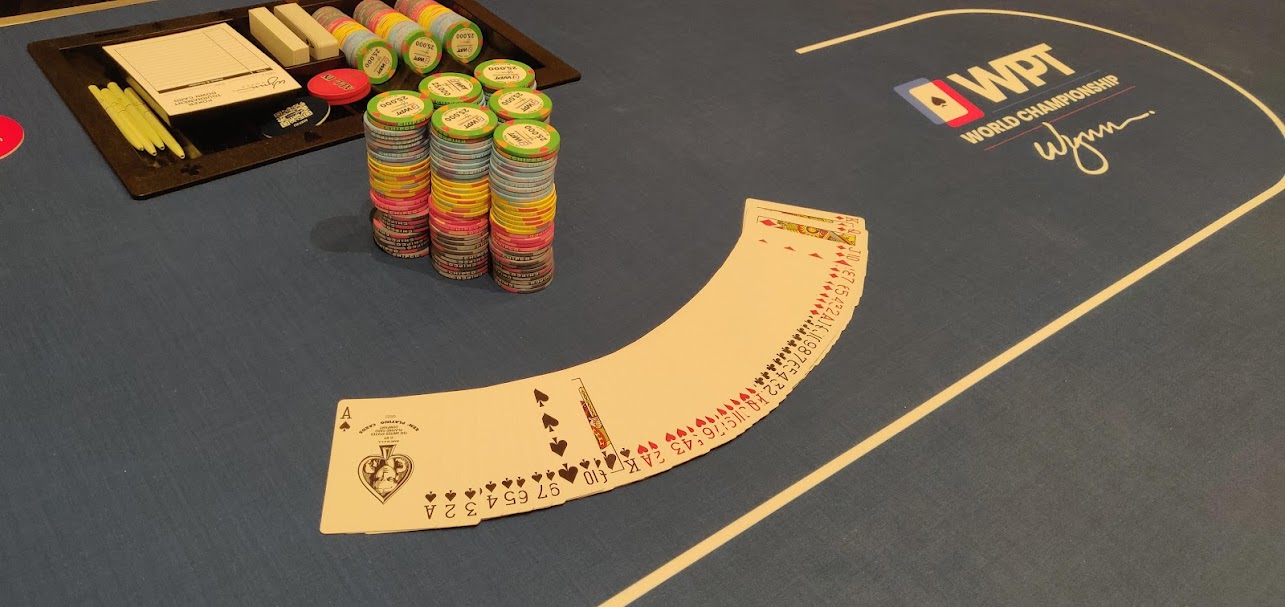
Wynn Las Vegas has long been thought to have one of the most well-regarded poker rooms not just in the city, but in the world. In what sense do you and your colleagues “take things to the next level” when the WPT World Championship rolls into town? Also, now that you’re in your third year, in what sense is there also a sort of a “business as usual” kind of vibe at this time of the year?
We take incredible pride in the Wynn poker team, and are careful to select staff who align with our vision and commitment. There is nothing about the WPT World Championship that is “business as usual” since it’s such a large-scale event. But we take many steps to make it look easy, while maintaining the elevated service we are known for throughout the remainder of the year.
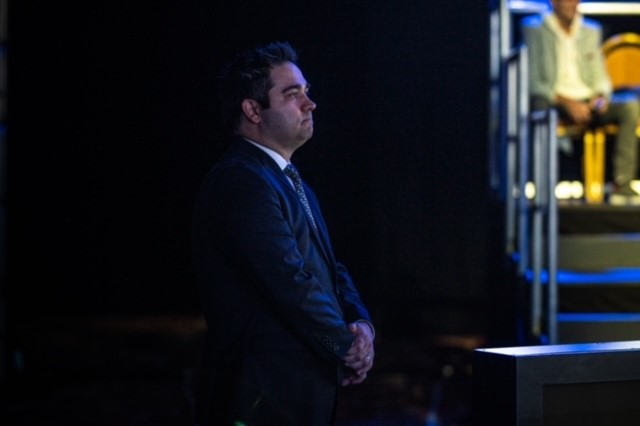
One of the more noticeable developments that’s taken place over the past year at Wynn Las Vegas is that you’ve adopted the Poker Atlas management software. From everything I’ve heard around town, players have voiced their full-throated approval. What sort of changes/improvements have you seen/felt from the operations side of things?
Adopting PokerAtlas has increased our efficiency, specifically in the payout process. Knowing where each player is seated, and exactly when and in what order they are eliminated, is a game changer.
Future developments will continue to improve tournament poker dramatically, as well as the player experience. I personally am a big fan and look forward to seeing the software evolve.
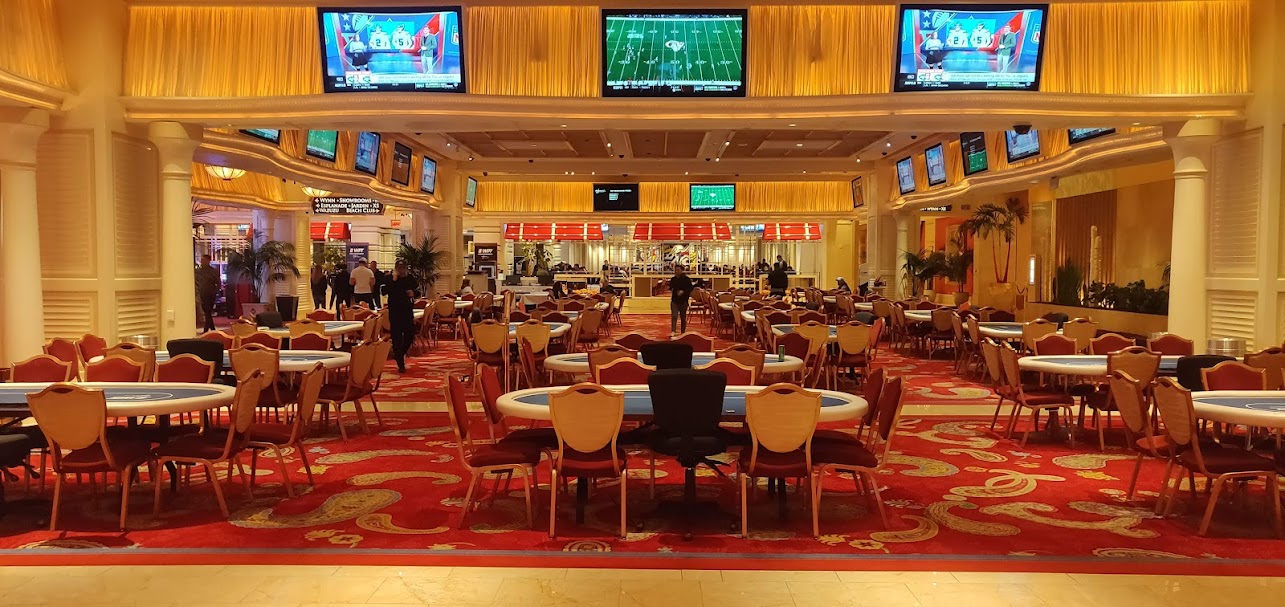
A full year of planning has gone into preparing for the 2024 WPT World Championship. There will be dozens of tournaments, tons of milestone satellites running, marquee final tables that get filmed and live streamed, and plenty more poker action at the felt. Is there anything on the schedule that has been particularly challenging to prepare for and/or that you’re specifically looking forward to seeing play out?
The Prime Championship is our most challenging event. Hosting more than 10,000 runners across multiple rooms creates some logistical challenges that we don’t normally face. However, this event, along with the $10,400 World Championship, are the two events that I am also most proud to be a part of. On the operations side, there is no better feeling than awarding millions of dollars with the potential to change a player’s life.
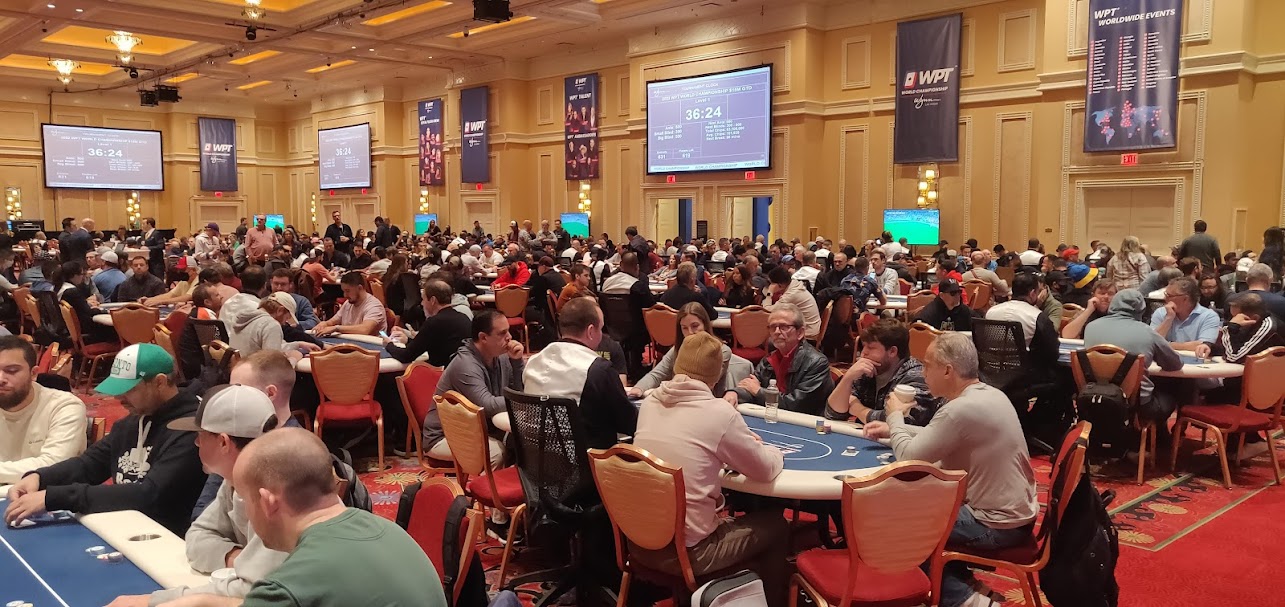
The $5 million GTD ClubWPT Gold freeroll is aiming to bring in a couple thousand new players into the poker ecosystem. Many players who will have won Golden Passports will quite possibly never have visited Wynn Las Vegas before. Besides playing poker, what are your personal recommendations/favorites as far as what else these players should be doing while on-property?
You can’t go wrong with any experience at Wynn Las Vegas, but my personal favorite is SW Steakhouse because of the atmosphere and the grass-fed filet mignon. Sitting on their patio, you’d never guess that you’re in the heart of the Las Vegas Strip. A close second is the chicken parm from Allegro… But bring your appetite, it’s huge! And for late-night entertainment, you can’t do better than XS Nightclub. Their DJ lineup is unparalleled.
A commonality I’ve long noticed between both the World Poker Tour and Wynn Las Vegas is the companies’ mutual focus on delivering the best possible player experience. From the operations and hosting side of things, that obviously means you want players to conclude their trip with great memories, wishing there was even more, and looking forward to their next visit. But put yourself back in those professional poker player shoes just for a moment. From that perspective, what specifically are you looking forward to seeing Wynn and the World Poker Tour deliver on experience-wise?
If you’re a player, walking into the WPT World Championship for the first time you will instantly feel positive energy upon entering the Encore Ballroom. From the sound of chips shuffling and the feature table on stage to the battle to have your name etched on the Mike Sexton Cup – the atmosphere is uniquely special. Adding experiences each year (such as the Player Party, the $5 Million freeroll, and a McLaren giveaway) are what make the WPT World Championship at Wynn Las Vegas unique, and set it apart from other poker events.
Online slots have been a popular part of the online gambling experience since the turn of the century, but the changing technology used has ensured that this casino game genre hasn’t stood still during that time. By looking at some of the latest features, we can see how the market is growing and evolving.

Linked Jackpots Cover a Network of Games
Progressive jackpot prizes have been an attention-grabbing part of the slot’s category for decades, but the latest changes have seen a greater variety of ways of playing for this type of win. Megabucks by IGT was the first jackpot slot to hit the mainstream, arriving in physical casinos in the mid-1980s. It introduced the idea of taking a small part of each stake and adding it to a growing prize fund that would eventually be triggered by a lucky player.
The list of Paddy’s new bingo games includes a variety of fresh online slots, including The Lost Boys Rapid Fire Jackpots and Anubis Rising Jackpot King. These games are both part of jackpot networks, where the top prizes are available on a series of games. The Rapid Fire Jackpots are typically smaller than Jackpot Kings prizes but are paid more regularly, with slots like The Goonies and King Kong Cash recently added to this network.
Area Link Replace the Classic Free Spins Round
While the free spins round has long been a big part of the overall slots experience, the Area Link bonus introduced on several newly released games has added an extra way of trying to earn the biggest prizes with the help of a set of free spins.
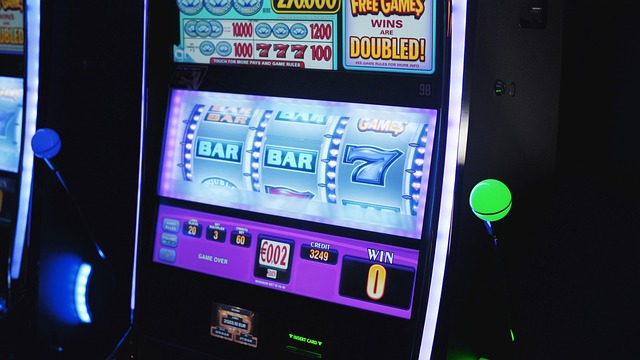
Area Link Phoenix by Light & Wonder includes the Area Link bonus, which has already been introduced in other games by the same slot creator. In this slot, the fireball symbol triggers three re-spins, with the fireball remaining in place during them. Different upgrades can be won during the feature, which has shown that the classic free spins bonus can be re-imagined to add extra appeal.
Bonus Features
As the slot category continues to grow and diversify, we can see new bonus features added. These are varied ways of triggering special prizes, helping to make new slots different from one another. The likes of Hold & Win, Link & Win, and Lucky Tap all provide unique ways of winning and are added to new themed slots based on traditional settings like Egypt or the Irish countryside and mythology as well as newer themes that have been introduced to attract new players.
These bonus features are built into games in addition to the classic slot format of gameplay explained by HowStuffWorks, where winning combinations of symbols land on a set of reels to trigger a prize payout. This means that the latest slot releases provide players with a familiar setup but extra added features. These changes have helped to keep the slots market fresh and varied, while ensuring that they retain the simple gameplay of the past. Expect to see more features introduced that make the genre more varied.
If poker players can be relied upon for anything, it’s that they love good value and maximizing said value. Well, the same holds true for those who understand the importance of poker study: you want to get the most value out of your poker training site membership. For that reason, it’s well known that this time of the year always gives you the best bang for your buck, as all the major poker training sites tend to offer their best deals via Black Friday sales, Cyber Week sales, and the like.
Here at Cardplayer Lifestyle, we’ve done all the work for you and have compiled all the pertinent info and best deals from some of the industry’s most popular poker training sites. Read on below to see the discounts they’re all offering and take advantage of the Black Friday and Cyber Week Poker Training Site sales while they last!
Pokercoaching.com
Active Sale Period: December 2-9
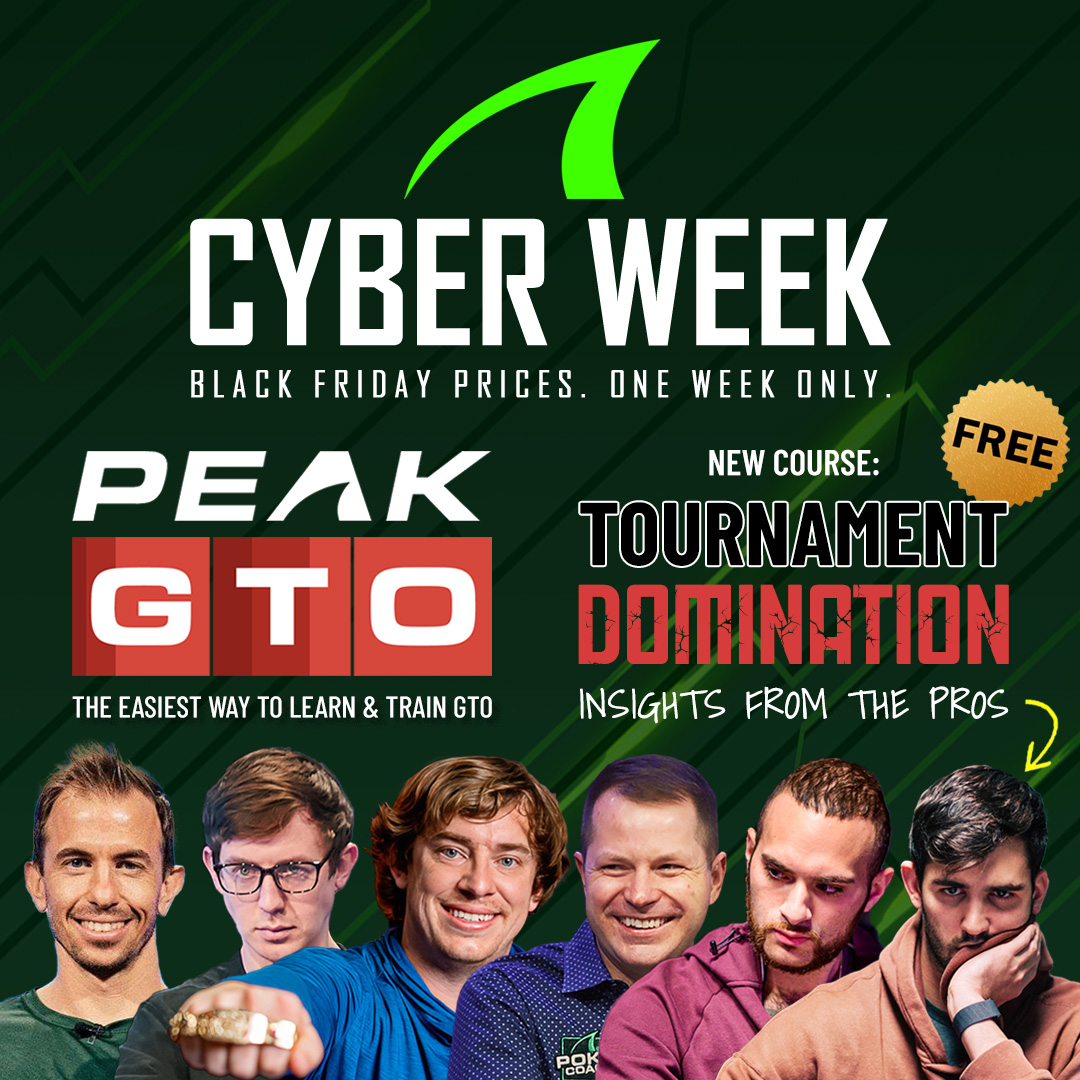
PokerCoaching.com is holding its biggest sale of the year to mark Cyber Week, offering incredible value to poker players of all levels. This year’s sale includes a wealth of free resources and premium courses, making it the perfect opportunity for anyone looking to elevate their game.
Highlights of the Sale:
- Tournament Domination Course (Free Access): Learn from top pros like Chris Brewer, Justin Saliba, Brock Wilson, Jonathan Little, Shannon Shorr, and Aram Zobian. This brand-new course focuses on their best strategies to help you crush tournament poker.
- Advanced Tournament Course (Free Access): You’ll get 30 hours of in-depth content designed to help you to navigate multiway and deep-stacked scenarios, improve your understanding of bet sizing, and master fully exploitative strategies. Advanced sections cover crucial topics like ICM (Independent Chip Model) and heads-up strategy, ensuring you’re prepared for every stage of a tournament. Additionally, you’ll discover how to optimally utilize top poker tools to gain a competitive edge.
- Cash Game Masterclass by Jonathan Little: Master cash game fundamentals with guidance from one of poker’s most respected instructors.
- Advanced Cash Game Course (Free Access): With 30 hours of advanced lessons from Brad Wilson, Ethan “Rampage” Yau, Justin Saliba, Chris Brewer, Jonathan Jaffe, and Jonathan Little, this course covers multiway and deep-stacked play, bet sizing, exploitative strategies, and heads-up strategy, alongside live and online cash game breakdowns.
- PokerGO Subscription (Free): Enjoy premium poker content and live streams with a free PokerGO subscription.
- Peak GTO Tools: Improve your game with: A GTO library for studying preflop and postflop spots, a trainer featuring over 10 million unique GTO scenarios, the Drill of the Day for daily GTO learning from top pros, and a personalized Poker ELO tracker to measure and enhance your performance.

This sale offers a unique opportunity to learn from the best in the game and access cutting-edge tools to refine your poker skills. Whether you’re focused on tournaments, cash games, or mastering GTO strategies, PokerCoaching.com’s Cyber Week sale is not something you want to miss!
Run It Once Training
Active Sale Period: November 29-December 4
Poker enthusiasts can take advantage of huge discounts on courses, books, and Vision GTO Trainer plans during the Run It Once Training Black Friday Sale. Whether you’re looking to sharpen your skills in cash games, tournaments, or mixed formats, this sale offers something for everyone at unbeatable prices.

Elevate your game with some of the most comprehensive poker courses available. Highlights include:
- This Is PLO: Master Pot-Limit Omaha from the legend himself, Run It Once founder Phil Galfond, with this extensive course, now 25% off, reduced from $2,499 to $1,875. (read our course review here)
- PADS on PADS: Learn tournament strategies from the legendary Patrick Leonard for just $749 (regularly $999).
- The Game Plan: Take your poker fundamentals to the next level with Kevin Rabichow‘s expert tutelage, now available for $749 (regularly $999). (read our course review here)
- A-Game Poker Masterclass: Improve your mental game with this essential course by Elliot Roe, also discounted to $749.
- Knockout Tournament Mastery: Dive into the intricacies of PKOs with Alex Theologis for $374 (regularly $499).
- Solving The PLO Puzzle: Get this course for half its original price—just $249.
Additionally, beginners can grab Phil Galfond’s Foundations course for just $37.49, a massive discount from $49.99. All “From The Ground Up” courses are also 25% off.
Vision GTO Trainer Discounts
Enhance your GTO knowledge with Vision GTO Trainer plans, now up to 25% off. Annual plans get an extra 25% off their already discounted rates, while quarterly plans are reduced by an additional 10%.
So, don’t miss out on these special Run It Once Training Black Friday discounts!
Pokercode
Active Sale Period: December 2-4
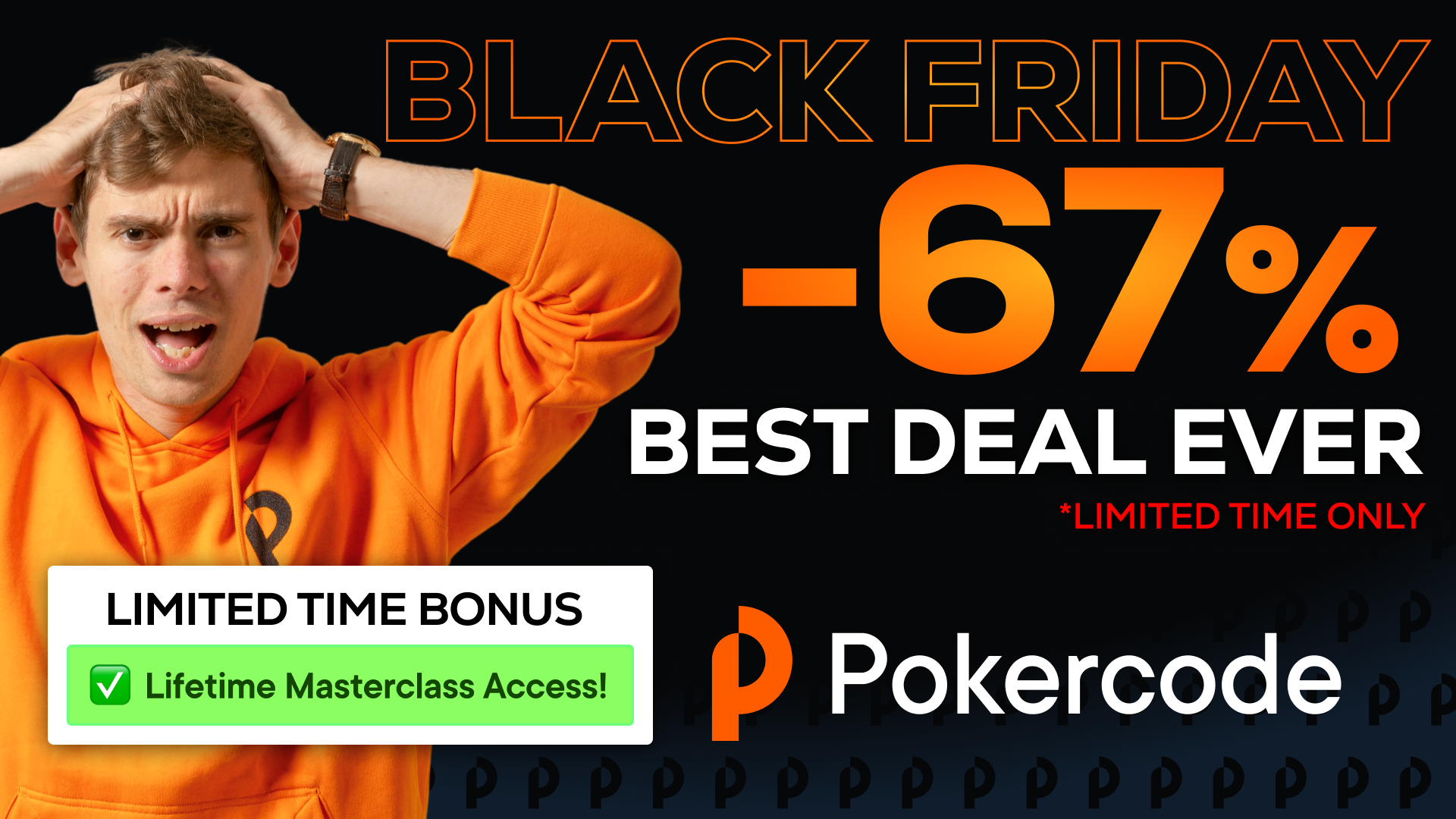
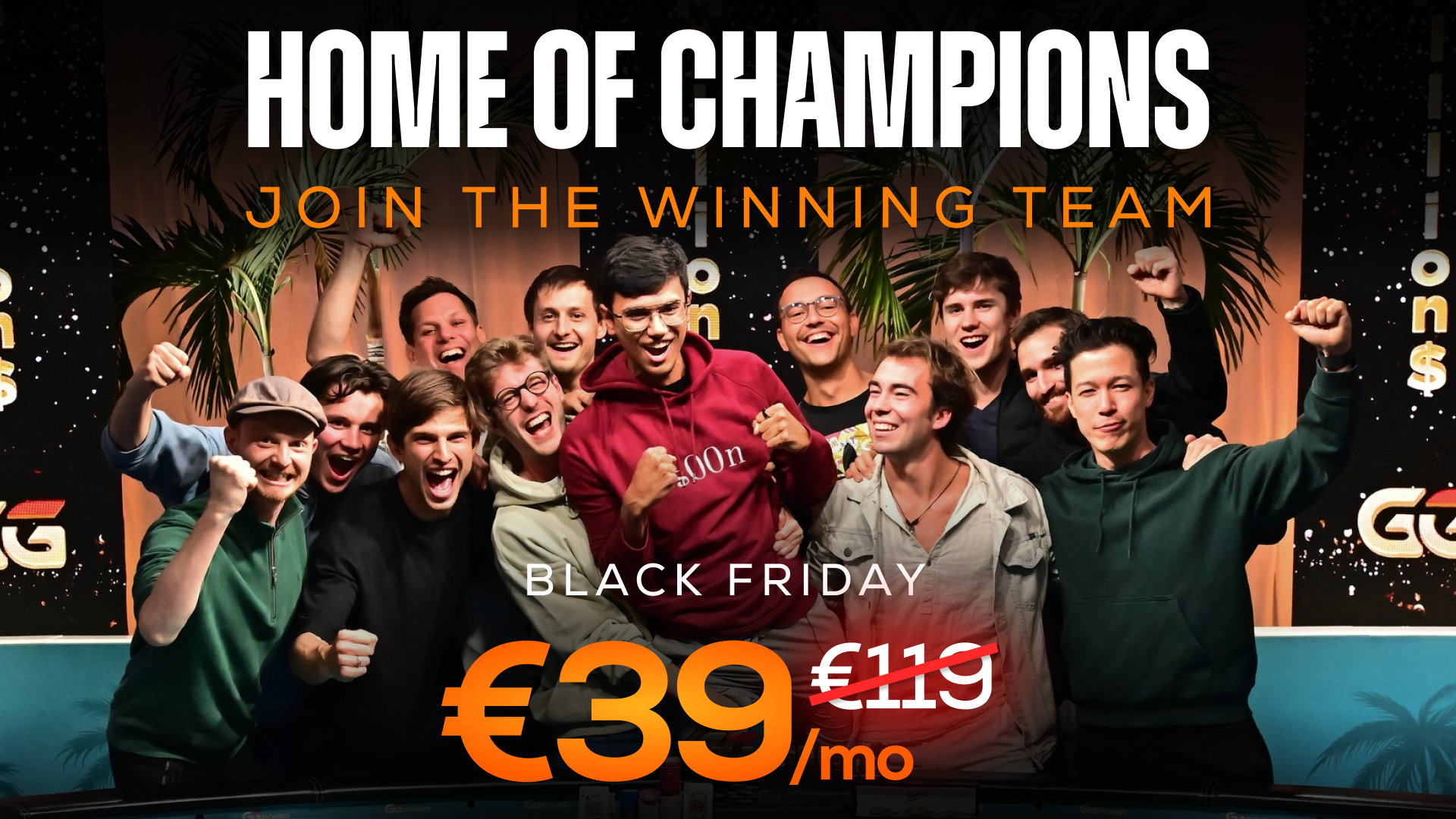
Black Friday sales have been extended into Cyber Week! It’s the highlight of the year for Team Pokercode, and their 2024 sale is no exception! This year, Pokercode is offering its best-ever membership discount—just €39/month, charged annually—giving players an affordable way to elevate their game and connect with a thriving poker community.
The theme for this year’s sale focuses on guiding players to the highest stakes. Pokercode’s coaches and community are dedicated to helping members reach the top levels of poker, combining expert guidance with a supportive network of like-minded players. With this commitment to excellence, it’s no wonder Pokercode has become a trusted resource for those aiming to improve their skills and results.
Learn From the Best
Pokercode, founded by poker legends Fedor Holz, Matthias Eibinger, and Steffen Sontheimer, provides unparalleled access to world-class coaching. Membership includes:
- Lifetime access to the Masterclass by Fedor Holz.
- 8+ coaching and review sessions with high-stakes players and head coaches.
- A content library with 600+ lectures, covering all aspects of the game.
- An interactive community and opportunities to attend live events.
Exclusive Promotions and Events
As part of this year’s Cyber Monday promotion, Pokercode members can access a high-stakes review for free on the dashboard after signing up.
Don’t miss this opportunity to join the Pokercode community at its most accessible price ever. Whether you’re striving to move up the stakes or simply improve your game, Pokercode’s Cyber Monday Sale is your chance to learn from the best and achieve your poker goals.
Red Chip Poker
Deal expires: December 31
From now through the end of the year Red Chip Poker is offering lifetime access to their powerful GTO Ranges App at half the price! Normally priced at $299, this one-time charge drops to just $149.50 when you use the exclusive code CPLBF2024 at checkout. This app is a game-changer for players looking to fine-tune their strategy and take their game to the next level.

To claim the discount, enter the code CPLBF2024 during the third and final step of checkout. But don’t wait too long—this offer is only available until the end of 2024. Take advantage of this limited-time opportunity to enhance your poker toolkit and lock in lifetime access at an unbeatable price!
Affiliate Disclaimer: Cardplayer Lifestyle makes a commission off successful sales. Thank you for kindly helping to support the work we do.
Just over 10 months after having been acquired by iBetMedia, Pokerati.com has relaunched with an all-new look. The site first debuted a whopping 20 years ago (Ed. note: I remember it; I’m old, lol), and helped pioneer the nascent niche field of poker media coverage. In particular, the site helped to launch the careers of many folks who are now well-known poker media veterans, including Kevin Mathers, Jennifer Newell, and poker “vlogfather” Andrew Neeme.
The site’s relaunch symbolically marks a passing of the torch from founder Dan Michalski to the new owner, iBetMedia CEO Tadas Packaitis, who stated “we are proud to follow the live poker scene and share our insights from tournaments, cash games, streams, and various events throughout the world. With decades of experience in the poker industry, we are here to bring you the most fun and useful content.”
We are back!!! 😎
New logo, new website, but good old passion for live poker.
When @danmichalski launched this site in 2004 exactly 20 years ago, it started as a personal blog for his homepage but quickly grew into a media site covering WSOP, hosting their poker tournaments,…
— Pokerati (@Pokerati) November 27, 2024
A Shining Legacy, A Potentially Bright Future
Those of us from the “Moneymaker Boom” generation have been around for a while and many of us remember the trail that the “original” Pokerati helped to blaze. We became enchanted with the game of poker through watching it on our TV screens and Pokerati helped fill a void for those of us who wanted more. Its articles covered the Las Vegas poker scene and beyond, filling us in on the on- and off-felt happenings that the cameras couldn’t always capture.
In my own personal case, the site (along with other poker blogs of its “generation”) was partly responsible for fueling my desire to get into the poker media business.
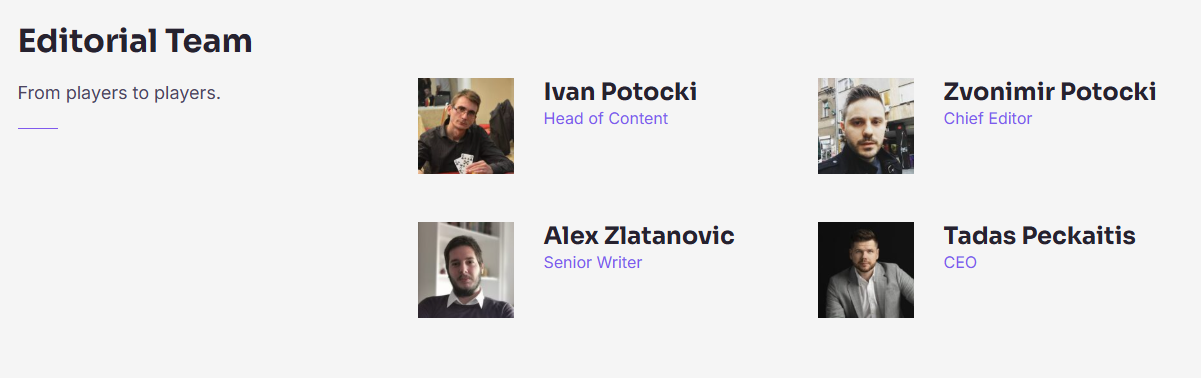
I happen to know the new owner, Tadas, very well. We’ve been friends for many years and his passion for poker has always been clear to me. He’s done great work with mypokercoaching.com, and he’s clearly invested a good deal of time, effort, and resources into the Pokerati relaunch. In particular, it’s a great editorial team. You may recognize, for instance, that Ivan Potocki has been a longtime Cardplayer Lifestyle contributing author, too.
As the end of 2024 approaches, things seem to be on the up and up for poker. Attendance at live poker events remains strong and prize pools continue to grow across North America, Europe, and beyond. Online poker, too, seems to be gaining some momentum, with more and more jurisdictions authorizing its legality, particularly in multiple U.S. states. In short, the future looks bright!
So, too, with the resurrection of Pokerati.com, it’s good to see poker media get a boost. More poker to cover, means that the poker world benefits from more coverage. I wish Tadas and his team the best of luck, and much success. A rising tide lifts all boats, and I’m sure that this is a case of “more poker media is better”.
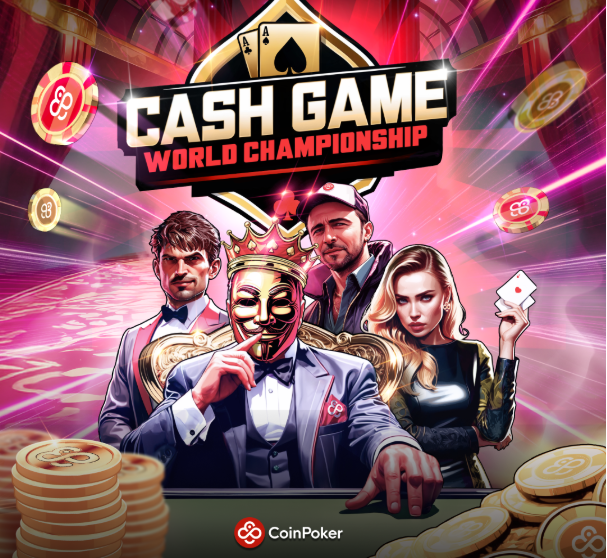
CoinPoker has announced another action-packed promotion for players this December.
Fresh off its $1M GTD ‘Meme Millions’ tournament series which had added value for entrants with its crypto airdrops and freerolls, this time round it’s cash game players and railbirds that have a chance to win big.
This event is gonna be 10k NLH, no rake with the best in the world.
LLinusLLove, seellama, DavyJones, PR0DIGY, FourSixFour, Sunni_92, D Kaladjurdjevic, lukabrate, brownballa, D I E S E L, JMBigJoe and others confirmed
prepare for some of the sickest hands you’ve ever seen https://t.co/2MbCX5R2r3
— Koray Turker (@KakiTee) November 26, 2024
First Cash Game World Championship
Starting December 1st and running until just after the Christmas break, CoinPoker will host the inaugural ‘Cash Game World Championship’ (CGWC), pitting high stakes poker names against each other.
The event will run 24/7 throughout the month, with cash games being:
- $50/$100 – $100/$200 No Limit Hold’em
- 100bb minimum buy-in, auto-reload
- Zero rake, no ante
- On show hole cards tables
As there’ll be no option to muck hole cards at showdown, this will offer railbirds an insight into the different lines top high stakes regs take against each other. A public leaderboard of results and EV will be updated after each session on coinpoker.com and the key hand histories reviewed.
By the end of the event one player will be crowned the Cash Game World Champion and win a Rolex Daytona watch worth close to $50,000 – with the option to have it custom engraved with their name – on top of their USDT earnings at the tables.

Competitors will also compete for glory, prestige, and bragging rights as the best cash game player of 2024, with giveaways throughout the event for spectators on the rail.
Make sure you’re following CoinPoker’s X and IG and have an account on the site to take part.
High Stakes Line Up
Set to take part in the CGWC are:
- LLinusLLove – legendary Swiss pro Linus Loeliger is considered by many to be the best online poker player in the world when it comes to NLHE cash
- Seallama – a frequent foe of Linus, regularly battling heads up and shorthanded against the best regs. An elusive mystery player from the USA
- DavyJones – another member of the ‘willing to battle anyone’ club, with impressive results this year and one of the favorites to win the CGWC title
- Dejan Kaladjurdjevic – the young man from Montenegro who strung together several million dollar cashes in a row, he has no fear and took on the highest stakes cash games on GG and high roller events at Triton
- Brownballa – known for his live play on the Hustler’s Casino high stakes cash game streams
- FourSixFour – PokerStars reg Darrell Goh is happy to play almost anyone at 6-Max or HU, battling for the lobbies at $25/$50 and higher
- Kevin Paque – the Dutch poker pro has over $3 million in live tournament earnings and is regularly found batting the best regs heads up for any stakes
- Dudd1 – German pro Tobias Duthweiler has over $4 million in earnings and is one of the most feared high stakes regs
- PR0DIGY – the young British pro Owen Messere has made a meteoric rise through the stakes, foregoing soft games to instead test himself battling all comers in multiple formats with a unique playing style
KakiTee also tweeted out the names of several more confirmed high stakes pros in the line up.
Are you the next champion? CoinPoker also welcomes all players to register their interest.
How Railbirds Can Take Part
Even if you’re not a high stakes pro, there are lots of ways to win.
During each cash game stream, cash and crypto will be given away to fans on the rail for correctly answering poker trivia questions, and a vote will be held each week to send your favorite player to an additional live-streamed VIP game, on Sundays at 5pm GMT.
The top-performing and most entertaining players will earn an invite to those games where they will also take on CoinPoker’s team of ambassadors – the likes of Mario Mosböck, Patrick Leonard, Olga Iermolcheva, KakiTee, VeniVidi, Bobby James and more – many of which also run giveaways for their followers.
Find out more on the CoinPoker website under the ‘promotions’ tab.