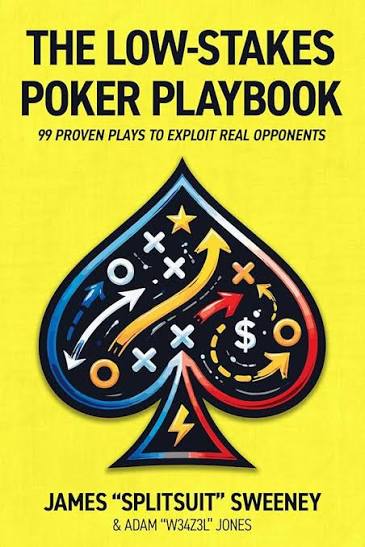
For readers who keep a worn copy of James “SplitSuit” Sweeney‘s Low Stakes Poker Playbook within arm’s reach of the couch, the appeal is obvious. It’s a book built for people who actually sit in $1/$2 cash games and small home-game lineups, not for high-rollers chasing seven-figure swings. Sweeney writes for the hobbyist who loves the game, wants to get a little better, and still treats a session as a good way to spend an evening. That recreational spirit — study a bit, play for fun, keep the stakes reasonable — travels surprisingly well from the kitchen table to the screen.
Once a low-stakes player has absorbed the fundamentals from a book like Sweeney’s, the natural question becomes where to actually put those ideas to work without driving to a card room. That’s where the world of real money online poker comes into focus for US-based recreational players. Guides that review the best rooms for 2026 tend to compare names like PokerStars, 888poker, WPT Global, and GG Poker across the things a casual player genuinely cares about: how busy the tables are during evening hours, what the welcome bonus actually delivers, how smooth the cashout experience feels, and how seriously each room takes player safety. They also walk through which states can legally play, how the bonuses stack up, and the simple steps involved in getting started. For someone whose entire goal is a relaxed micro-stakes session after dinner, that kind of side-by-side comparison does the homework so the player can focus on the cards.
Why Low-Stakes Thinking Fits the Screen
Sweeney’s whole approach is built around discipline at small stakes: play a tight-ish range, respect position, and avoid the big, bankroll-wrecking mistakes that cost recreational players the most money. None of that changes when the felt goes virtual. If anything, the online environment encourages it. Micro-stakes poker games online run at a fraction of the buy-in a live room requires, which means a player can sit down with ten or twenty dollars and treat the whole thing as an inexpensive hobby rather than a high-pressure gamble.
The format also matches how modern leisure time actually works. Few hobbyists have a free five-hour block to drive to a casino, buy in, and grind. But plenty of people have forty-five minutes between dinner and a favorite show. A short online session fits into that window the same way a chapter of a strategy book or a quick training video does. It becomes one more piece of a well-rounded poker hobby, alongside reading, watching streams, and the occasional live festival trip.
Turning Study Into Practice
There’s a reason so many serious recreational poker players obsess over the gap between reading about poker and actually studying and putting their new knowledge to work. A player can nod along with every concept in a low-stakes manual, but the ideas only stick once hands are played and mistakes are felt. Online micro-stakes offer a low-cost lab for exactly that. Want to practice folding top pair to an obvious river shove, the way Sweeney preaches? The screen will hand you that spot dozens of times in a single week.
POKER BOOK REVIEW: The Low-Stakes Poker Playbook
That repetition is the quiet superpower of online play. Where a live session might deal 30 hands an hour, an online table moves faster, and a focused player can review notes between hands or tag a tricky opponent for later. It’s a practical way to convert theory into instinct without risking rent money.
The Mental Side of Micro-Stakes
Low stakes don’t mean low tilt. Anyone who has lost three buy-ins to runner-runner nonsense knows the emotional sting is real even when the dollar amount is small. This is where the recreational player’s mindset matters most, and it’s an area researchers have actually studied. Work on healthy decision making in poker looks at how emotional stability and general wellbeing shape the choices players make at the table, reinforcing something Sweeney hammers home: the player who stays calm and avoids spewing chips in frustration keeps far more of the edge their study earned them.
Keeping sessions short, setting a clear stop point, and treating a session as entertainment rather than an income stream all help preserve that even keel. The goal isn’t to grind grimly toward a profit target. It’s to enjoy the puzzle, the small wins, and the satisfaction of making a disciplined laydown.
Keeping the Hobby in Perspective
Part of what makes low-stakes play so enjoyable is that it stays firmly in the “pastime” column. Academic writing on the social and psychological challenges of poker explores how the game sits at the intersection of skill, chance, and social dynamics, and why that mix makes it so engaging for hobbyists. For the recreational crowd, the sweet spot is treating poker the way one might treat chess clubs, pub quizzes, or a weekly tennis match: structured fun with a competitive edge and a built-in community.
That framing keeps the whole thing sustainable. A low-stakes player who logs on to play a few hands, test an idea from a favorite book, and swap chat-box banter with strangers is doing something closer to a hobby than a hustle.
From the Page to the Felt
The through-line from Sweeney’s playbook to the virtual tables is really about continuity. The same patience, the same respect for position, and the same calm temperament that make a reader better at a $1/$2 home game translate cleanly to a micro-stakes screen. The book supplies the map; the online tables supply the terrain. For recreational players who love both the strategy and the culture of poker, that combination turns an ordinary evening into exactly the kind of relaxed, satisfying session the low-stakes life is all about.