PokerCoaching.com continues to expand its lineup of cash-game training with How to Crush Live Cash Games with Loose, Aggressive Strategies, a course created by Justin Young.
Young is a new addition to the PokerCoaching roster, but he brings plenty of experience to the table. He’s well known for his fun, loose style in high-stakes cash games and is also the host of The Table 1 Podcast. Before poker, Justin worked as a mechanical engineer, but he’s now spent roughly 20 years as a professional cash-game poker player.
Welcome to PokerCoaching, @Justinyoung07!
A long-time cash game crusher, and host of the @Table1Vegas podcast, Justin brings decades of experience to the team.
His new course, How to Crush Live Cash Games with Loose, Aggressive Strategies is now live on @PokerCoaching_ 🥳 pic.twitter.com/JgE8Kfm5MS
— Jonathan Little (@JonathanLittle) August 26, 2026
In this course, Young isn’t describing strategies designed for high-stakes games and expecting low-stakes players to figure out how to apply them. He spent months playing $1/$2 and $2/$5 cash games specifically to prepare for this content, giving him a chance to see firsthand the types of players and situations the audience is likely to encounter.
The course is broken down into six lessons:
- How to Beat Weak Players with a Loose, Aggressive Strategy
- What to Do When Tight-Passive Players Show Aggression
- Making Adjustments Against Tough Players
- Developing Reads and Exploiting Unknown Players
- How to Play from the Blinds Against Passive Players
- How to Crush Weak Limpers

What’s in the Course?
How to Beat Weak Players with a Loose, Aggressive Strategy
The first lesson establishes the central theme of the course: identifying weak players and putting them in difficult situations.
Young uses a number of hands from his time playing $1/$2 and $2/$5 to demonstrate how to take advantage of these players. Rather than relying exclusively on theoretically optimal poker, he focuses on practical exploits that can produce results in typical low-stakes live games.
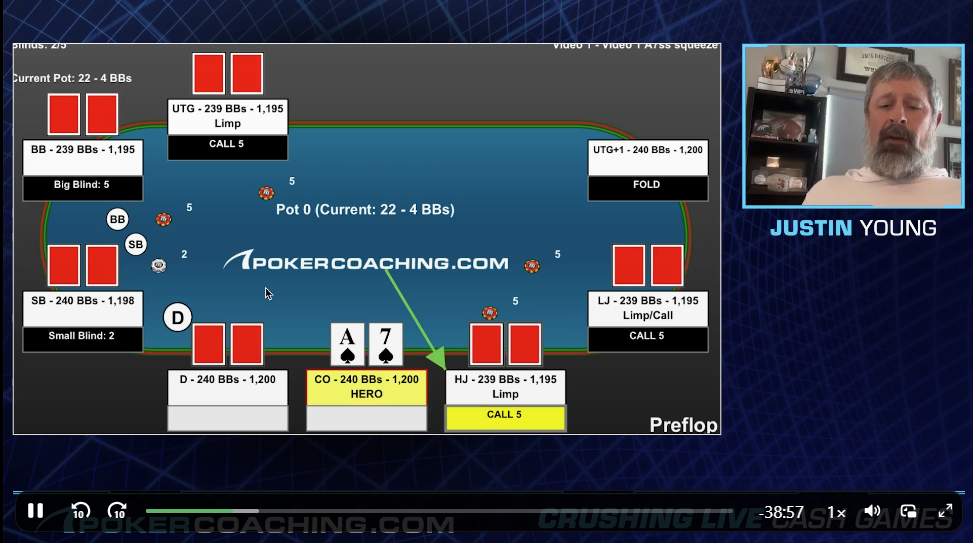
One particularly useful concept is how to isolate limpers when you’re likely to see a multiway pot. Young discusses choosing your raise size based on what you want to accomplish. You can use a smaller size when you’re happy to invite additional players into the pot, or increase your sizing when you want to narrow the field and ideally play heads up.
This is a good example of what makes the course useful. Young isn’t simply saying, “Raise bigger against limpers.” He explains why you would choose one size over another and what you’re trying to accomplish with each decision.
Young also does a great job of walking through his thought process street by street. He explains what information he’s gathering as the hand develops and, importantly, how he plans ahead for different turn and river cards.
What to Do When Tight-Passive Players Show Aggression
One of the biggest mistakes recreational players make is treating all opponents the same. This lesson focuses on what happens when a player who has otherwise been quiet suddenly starts showing aggression.
Young explains how the meaning of an aggressive action can change depending on the player’s tendencies. Against a player who rarely puts money into the pot, an unexpected raise should set off alarm bells compared to the same raise from an aggressive regular.
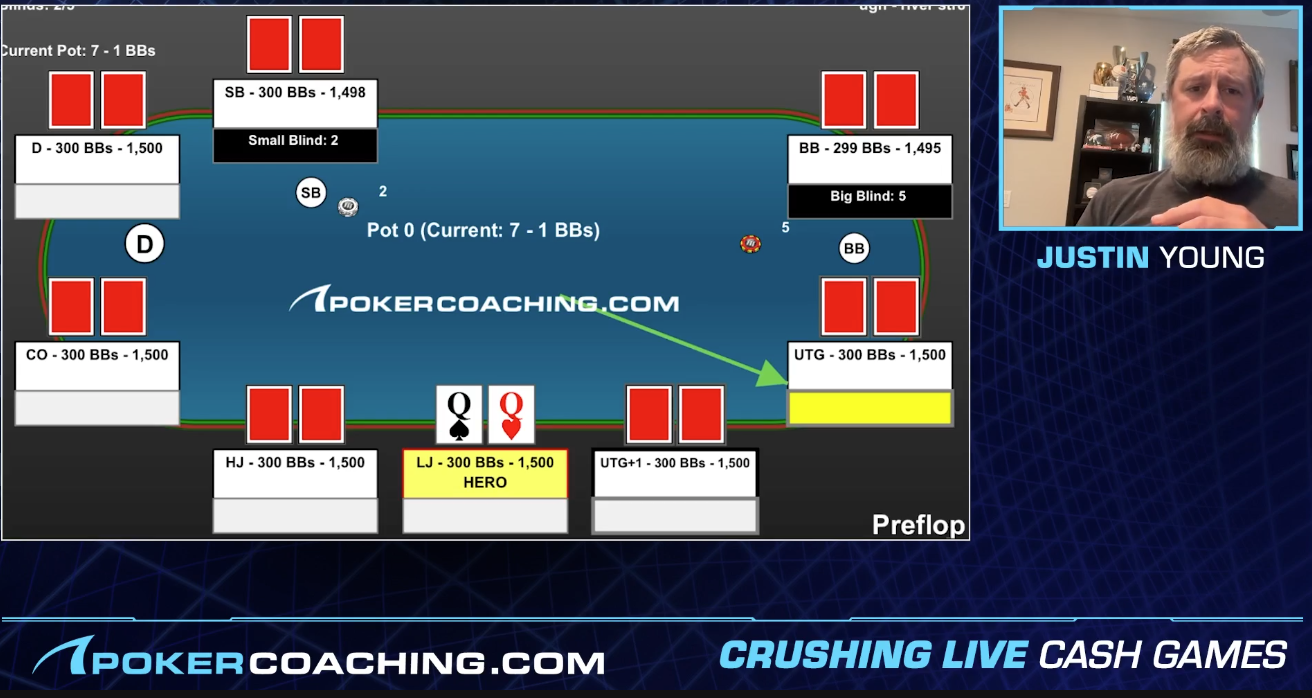
The lesson provides a practical framework for recognizing these changes in behavior and adjusting your strategy. Recognizing these tendencies is one of the most important parts of playing in low-stakes games, according to Young, and his examples put that theory to work.
Making Adjustments Against Tough Players
While much of the course focuses on exploiting weaker opponents, Young also addresses what to do when you’re up against players who are capable of fighting back.
Through several live hand examples, he shows why it is important to recognize when your standard exploits aren’t going to work as well. Tougher opponents require more balanced decisions, better hand reading, and a willingness to adjust your strategy rather than simply trying to run them over.
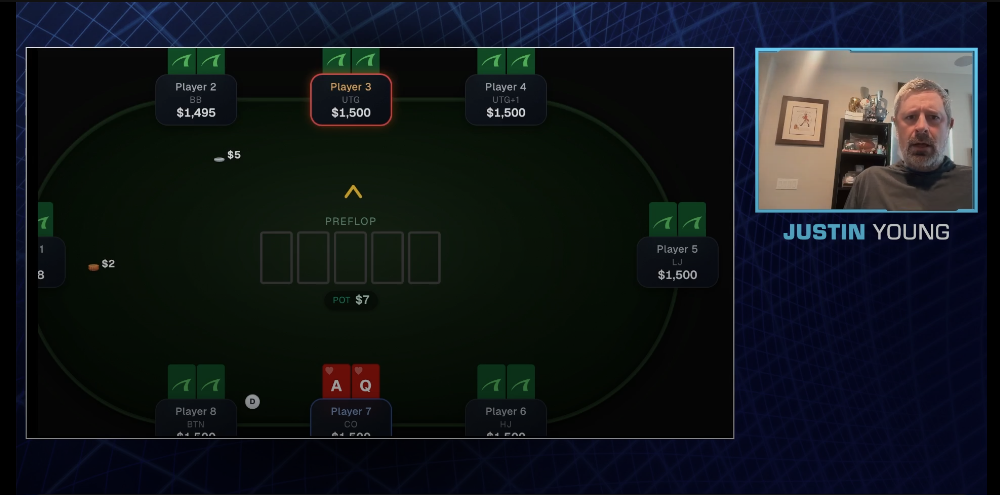
Young’s experience in high-stakes games comes through particularly well here. He plays against the best of the best, and it is important to clock another great player at the table. He demonstrates how to identify the players who are actually capable of exploiting you and explains how that should influence your approach.
Developing Reads and Exploiting Unknown Players
Live poker gives you an advantage that online players don’t have: you’re sitting at the table watching your opponents.
Young spends time discussing how to develop useful reads and, more importantly, how to turn those reads into actionable adjustments.
This is particularly valuable when playing against an unknown opponent. Rather than immediately assuming a player is either strong or weak, Young shows how to gather information and gradually adjust your assumptions as you see more of their play.
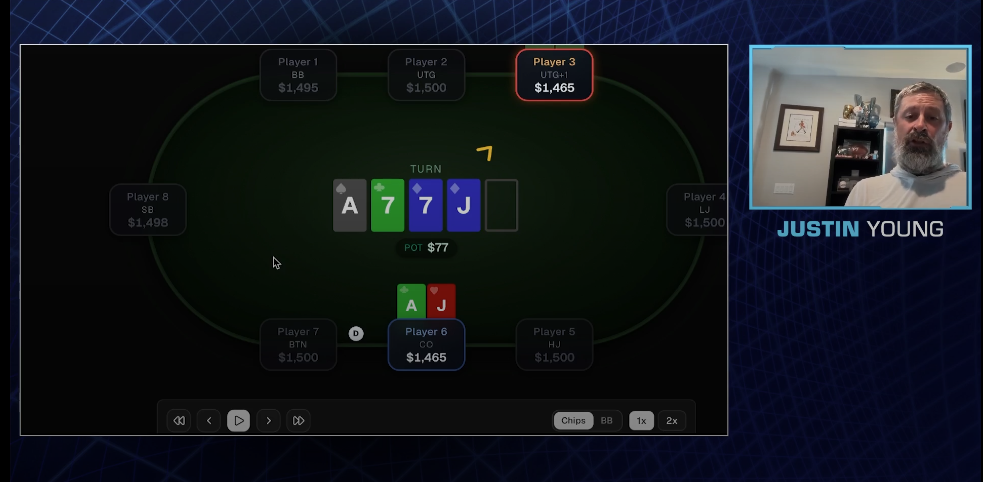
For live players, this is an important skill. Your opponents don’t come with HUD statistics or thousands of hands of history, so learning how to make decisions with limited information is essential.
How to Play from the Blinds Against Passive Players
Playing from the blinds can be one of the more difficult aspects of live cash games, particularly when you’re dealing with multiple passive players.
Young looks at how you can adjust your strategy against these opponents and take advantage of their tendency to play too many hands and apply too little pressure.
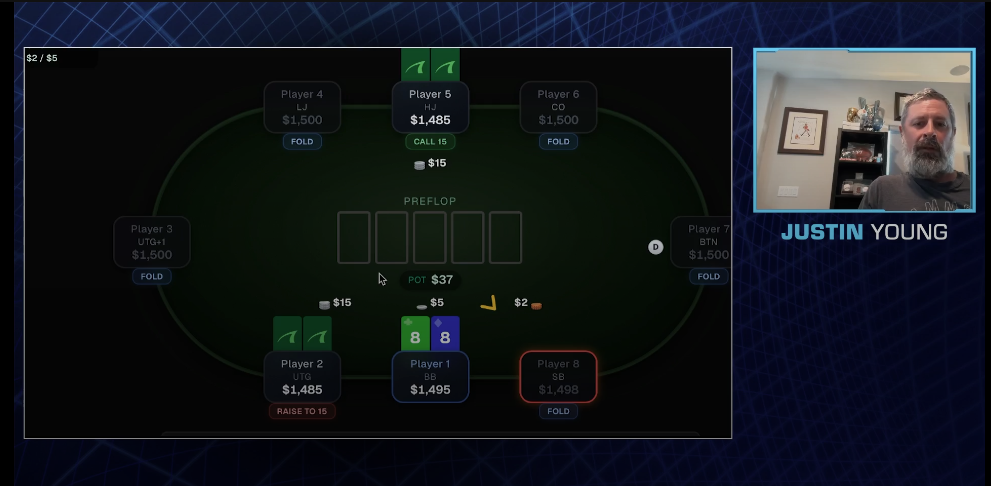
The lesson continues the course’s overall exploitative theme: instead of trying to force a one-size-fits-all strategy onto every situation, identify what your opponents are doing incorrectly and build your strategy around those mistakes.
How to Crush Weak Limpers
The final lesson returns to one of the most common situations you’ll face in low-stakes: weak limpers in multiway pots.
Young provides several examples of how to punish players who enter pots by limping and explains how to construct your strategy around their specific tendencies.
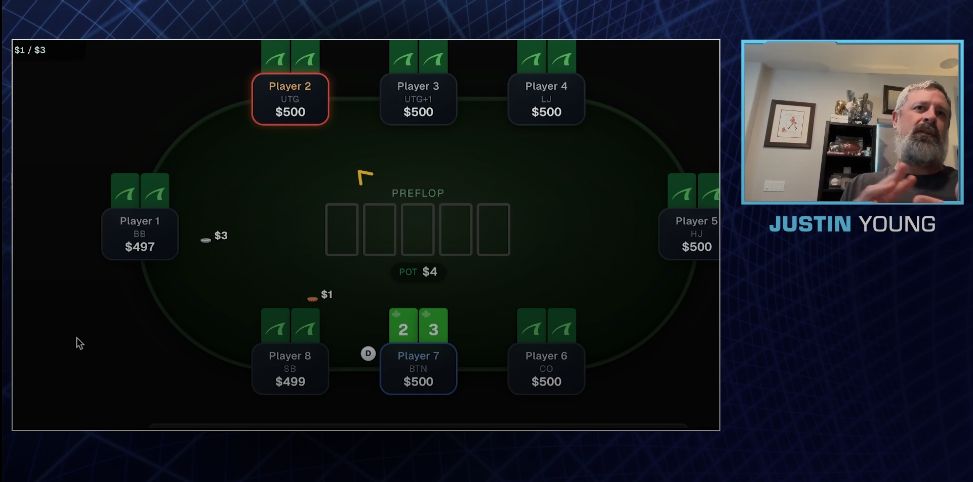
This ties together many of the concepts presented throughout the course. You aren’t simply raising limpers because “limping is bad.” You’re considering who the limper is, how they respond to aggression, who else is in the pot, and what you want your raise to accomplish.
For players who regularly play $1/$2 or $2/$5 live cash games, these are exactly the types of situations where exploitative adjustments can have a significant impact on your results.
Pricing Options and Recommendation
How to Crush Live Cash Games with Loose, Aggressive Strategies is an entertaining and practical addition to the PokerCoaching lineup.
Young has always been a personal favorite player of mine, so it is fun to see him translate so well in the course space. As an instructor, he is insightful while remaining entertaining to watch. His experience comes through naturally, and he insists on never overcomplicating what his opponents are telling him through their actions.
As far as the pricing, Young’s course can be purchased as a standalone product, or it can be purchased as part of a Pokercoaching.com annual membership:
- The benefit of opting for the course as a standalone product is, of course, spending less money: You’ll pay just $199 for lifetime access to the course.
- On the other hand, if you choose to get an annual membership, you’ll be paying $999 but in addition to Young’s course you’ll also be granted access to every course on the Pokercoaching.com platform, including the Cash Game Masterclass, Advanced Cash Game Masterclass, and the full cash game library.
If you play low-stakes live cash games and want to become more aggressive about attacking weak players, this course offers plenty of useful ideas to incorporate into your game. On the other hand, Young does a great job of showing when to pump the brakes, remain self-aware of your own image, and give up on strong hands that are likely beat. That self-awareness isn’t a focal point in much course content, so it is a welcome addition here.
Overall, this is a strong course for live cash-game players looking to become well-rounded difficult players to play against for all comers. It is highly recommended as a great starting point for PokerCoaching.com subscribers.