Picture a recreational grinder named Dave who spends his Tuesday nights doing something a little unusual. Instead of firing up a session right away, he opens a PokerCoaching.com video, notebook in hand, and pauses every few minutes to scribble down a thought about range construction or bet sizing. He’s the kind of player who follows WSOP coverage, devours strategy breakdowns, and treats hand analysis like a hobby in itself. But all that study eventually leads to one question every dedicated learner faces: where does the theory actually get tested?
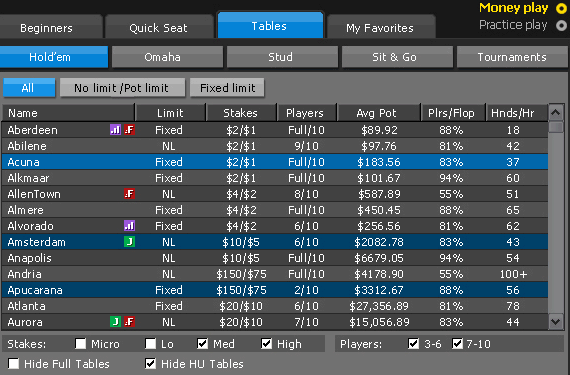
For players like Dave, the answer almost always lives at the cash tables. After hours of watching coaches dissect three-bet pots and navigate a multiway flop, the natural next step is finding the right room to put those reps in. That’s exactly why so many learners gravitate toward poker online, where guides compare the best real-money rooms of 2026 by traffic, software quality, and the kind of game selection that lets a studying player ladder up at their own pace. A good comparison hub also breaks down rakeback deals, mobile apps, and region-specific or crypto-friendly options, which matters because the room a player chooses shapes how cleanly their training translates into actual hands. Backed by a free poker school and an active community, that sort of resource helps a recreational player match the lessons they’ve absorbed to a table where those lessons can breathe.

From Lecture Notes to the Felt
There’s a gap that every student of the game eventually bumps into. Watching a coach explain why a check-raise works in a particular spot feels obvious in the moment. Doing it under pressure, with real money on the line and a stranger in the big blind staring you down, is another animal entirely.
The players who close that gap tend to do it deliberately. Dave, for instance, doesn’t try to apply everything at once. After a video on continuation betting in single-raised pots, he’ll spend a session focusing on just that one concept. He keeps the volume low, the stakes comfortable, and his attention narrow. By the end of the night, the idea isn’t just something he heard a coach say — it’s something his hands have done a dozen times. That’s the quiet, unglamorous work that turns a fan of training content into a competent cash-game player. Academic work like the analysis of chance and skill in poker helps explain why patient repetition pays off.
Why Cash Games Suit the Studious
Tournament poker grabs the headlines, and there’s nothing like the drama of a deep WSOP run. But for players trying to learn, cash games offer something tournaments can’t: endless repetition at consistent stack depths. The blinds never go up, the buy-in stays the same, and a player can reload and keep working on the exact spot that’s been giving them trouble.
This matters because poker is a game where good decisions and good results don’t always line up in the short run. Researchers have spent years untangling that relationship. A widely cited study on strategic thinkers explored how the game reveals the way people reason under uncertainty — the kind of insight that favors players who keep refining their process instead of fixating on a single losing session. Cash games give that process room to play out, hand after hand, until the underlying skill starts to show.
Building a Routine That Sticks
The most effective learners treat their poker like a craft, not a slot machine. Dave’s routine looks a lot like a musician practicing scales. He picks a theme for the week — maybe defending the big blind, maybe playing out of position against aggressive opponents — then watches the relevant training material and brings that single focus to the tables.
A few habits show up again and again among players who improve:
- Reviewing a handful of hands after every session, win or lose, rather than only the painful ones.
- Tagging tricky opponents and revisiting how a coach might have played against that profile.
- Keeping stakes low enough that a bad night doesn’t bruise the bankroll or the confidence.
None of this is flashy. But it’s the difference between someone who watches strategy content for entertainment and someone who uses it to genuinely level up.
Making Peace With Variance
Even with all the study in the world, the cards do what they do. A player can make the textbook decision and still lose the pot. This is where a lot of recreational learners get tripped up — they confuse a bad result with a bad play, and start second-guessing the very lessons they worked so hard to absorb.
The math backs up patience. A look at skill versus luck found that more skilled players consistently outperform over a large sample, even though any single session can go sideways. For someone like Dave, internalizing that idea is as important as any betting concept. It’s what keeps him studying through a downswing instead of abandoning everything he’s learned.
Closing the Loop
Months into his routine, Dave isn’t a different person at the table so much as a more settled one. Videos from the same poker training sites that once felt like abstract theory now echo in his head as he sizes a river bet or folds a marginal hand he used to call. The notebook is fuller. The sessions are calmer. And the gap between watching the game and playing it — the one that frustrates so many fans of poker content — has quietly narrowed.
That’s the real payoff for anyone who loves learning the game. The videos light the path, the right cash tables provide the proving ground, and patience turns scattered lessons into instinct. Dave still pauses his Tuesday-night video to take notes. The difference now is that he already knows where every one of them is headed.