
AI detection systems help protect fairness across many online poker and gaming sites. In fact, big platforms actively ban real-time AI assistance and bots to protect players. Even industry reports show that these tools play a growing role in maintaining trust.
Behind the scenes, developers are building smart tools that track patterns and flag odd habits quickly. Insights shared on gamblingsites.com also show how the best sites have controls around fair play. Let’s see how AI keeps poker fair.

Why AI Is Essential for Fair Poker Play
Today, machine learning (ML) tools scan thousands of poker decisions in mere fractions of a second. That’s why platforms rely on AI to catch shady moves that no human team could track. This constant monitoring helps every player to enjoy a fair and balanced experience online.
Catching unfair play also boosts overall trust in the online poker community. As such, most major platforms ban real‑time AI assistance and bot use to ensure fair competition. With such clear rules, integrity comes first for long‑term enjoyment.
These AI systems often compare current actions against huge databases of verified past play. They can spot patterns human players rarely show during typical sessions. When unusual behavior pops up, the system flags it for human review immediately.
AI also guides modern security rules and penalty decisions across platforms. Without these tools, detecting subtle cheating would take far longer and risk missing cases. In turn, fair play standards can improve whenever cutting‑edge tech works consistently behind the scenes.
How Sites Spot Bots and Cheaters in Real Time
AI tools can track reaction times and decision patterns across thousands of poker hands. Since bots play with almost perfect consistency, humans simply cannot match. Thus, systems trained to compare human and machine patterns can spot these differences quickly.
Then again, real‑time assistance detection can examine every decision path against optimal strategy choices. When actions line up too closely with a perfect strategy repeatedly, alarms trigger. This fast monitoring helps prevent unfair players from impacting the wider community.
Today, platforms have already used these tools decisively in recent policing cycles. For instance, GGPoker removed 42 accounts and seized $1.2 million for AI‑style cheating. These examples show how modern enforcement relies heavily on smart detection systems.
AI systems also help catch multi‑accounting by tracking unusual habits across accounts. When accounts show identical action patterns or shared network traits, they get flagged. This kind of oversight strengthens fairness and keeps games more honest for everyone.
Real-Time Assistance Detection and Player Behavior
Real-time assistance (RTA) is software that helps a player make decisions mid-game. But platforms ban RTA as it undermines skill-based competition and fair gameplay standards. With AI detection tools, it’s easy to spot accounts showing patterns consistent with RTA use.
These systems can track thousands of variables, including timing, betting choices, and hand picks. Any unnaturally steady decisions often signal hidden aid tools at work behind the scenes. Once flagged, these accounts lose normal privileges and may face corrective action.
In recent policing cycles, platforms seized over $166,000 from accounts banned for RTA-style activity. Thus, platforms keep improving detection rules to catch new cheating methods fast. These measures show a clear commitment to integrity across online poker.
By watching behavior changes over time, AI learns to separate normal from suspicious play. This adaptive approach helps reduce false positives while keeping player trust high. Smarter detection tools ultimately make the overall poker community stronger and fairer.
AI Detection Tools and Responsible Play
AI detection tools do more than flag cheaters; they help platforms enforce responsible play policies. By spotting unusual patterns, they support broader efforts to maintain healthy poker play. In fact, responsible play efforts rely on this data to spot behavior needing review.
These tools also help communities trust competitive settings much more deeply over time. When players see enforcement actions happening, their trust in the platform usually grows. Thus, clear, fair rules like these keep people engaged and satisfied with their experience.
Modern platforms even publish transparency reports to show how many accounts faced AI detection. These reports help players learn control levels and patterns in abusive play. Thanks to public disclosures, everyone has a clear view of how tech improves poker security.
Moreover, smart detection helps reduce disputes by providing clear evidence for actions taken. For players, they feel reassured knowing that systems back decisions with reliable data. This transparency strengthens overall trust in how platforms govern play.
Keeping Poker Fair and Transparent
AI detection systems are now a key part of fair poker experiences online. That is, they catch bots, RTA, and suspicious play quickly and reliably every day. Plus, both players and platforms benefit from these protective tools in modern, dynamic environments.
As tech evolves, these tools will make poker even fairer and more transparent. Integrity will actually be a core part of the game with smart detection and enforcement. In the end, players can enjoy poker knowing that fairness rides on powerful technology.
Poker looks self-contained, yet the thinking behind it appears everywhere. Strong players rely on probability awareness and measured risk. They also rely on emotional control. Those skills develop faster when tested in settings where outcomes arrive quickly and mistakes show themselves clearly. Online card games provide that environment. They remove table talk and social pressure. What remains is decision quality.
Canadian players increasingly use other card games as training tools rather than side entertainment. Blackjack and baccarat stand out because they compress decision cycles. Each hand ends fast. Each result delivers feedback. This structure helps players internalise odds and consequence. It also explains why these titles consistently rank among the best online casino games available in Canada, particularly for players who value thinking over spectacle.

Decision Speed and Mental Clarity
Poker rewards patience, yet it punishes hesitation. Players must decide with partial information and limited time. Other card games train that exact muscle. Blackjack, for example, forces action on every hand. There is no waiting for a better spot. A choice must happen, and it must happen now. There’s no time to second-guess.
That pressure builds clarity. Optimal blackjack strategy reduces the house edge to about 0.5 percent, showing how much correct decisions matter over time. The lesson transfers directly to poker. When players trust math instead of instinct, results stabilise. And that’s the mindset you have to take into a game like blackjack. Instead of fearing the numbers, befriend them.
The repetition matters as much as the math. Blackjack delivers similar scenarios again and again. Players stop guessing. They respond. Over time, decision-making becomes automatic. Poker players benefit from that automation, especially in high-volume online play where fatigue causes errors more than ignorance ever did.
Baccarat and the Shape of Risk
Baccarat strips decision-making down to its bones. Players choose where to place a bet and then accept the outcome. That simplicity reveals how risk actually behaves. Betting on the banker hand carries a house edge of roughly 1.06 percent, making it one of the most stable wagers in casino gaming. Knowing the house edge helps more than you might initially understand.
For poker players, the value lies in discipline. Baccarat teaches restraint without lectures. Chasing losses fails quickly. Overbetting ends sessions early. Calm repetition lasts longer. These lessons mirror poker realities. Winning players survive cold runs because they protect their stack. Baccarat reinforces that behaviour through consequence rather than theory.
Emotional Control Under Repetition
Poker often disguises emotional mistakes as boldness. Other card games expose them. Baccarat sessions make impatience visible. Blackjack streaks test confidence. Players either adjust or bleed value. Over time, emotional control becomes a survival skill rather than a virtue.
This emotional training matters more than most strategy charts. Tilt ruins more bankrolls than bad cards. By practising calm decision-making in simpler games, poker players reduce the emotional charge tied to variance. They return to poker steadier and less reactive, which improves long-term performance.
Video Poker and Precision Thinking
Video poker occupies a unique space. It looks casual, yet it demands precision. Players receive a hand and choose which cards to hold. That single decision determines the result. In games like Jacks or Better, optimal play can push returns above 99 percent.
The appeal for poker players lies in clarity. Errors reveal themselves over time. Correct play produces consistent outcomes. Video poker sharpens hand recognition and probability awareness. Those instincts transfer directly to poker, especially in marginal situations where small edges matter most.
Seeing Probability Without Distraction
Poker includes bluffing and social reads (in a live setting). Those elements add noise. Other card games remove that noise. What remains is pure probability. Players see how odds unfold without interference. This exposure improves intuition in subtle ways.
When poker players return to complex environments, they recognise probability patterns faster. They feel when a bet makes sense. They also sense when restraint saves money. These judgements develop through repetition rather than memorisation.
Adapting to Different Game Rhythms
Each card game moves at its own pace. Blackjack runs fast. Baccarat moves steadily. Video poker isolates decisions entirely. Switching between these rhythms trains adaptability. Poker rewards that skill. Tables change. Stack sizes fluctuate. Opponents behave unpredictably.
Players who train across formats respond more smoothly to those shifts. They do not freeze when conditions change. They adjust without drama. That adaptability often separates consistent players from volatile ones.
Bringing the Lessons Back to Poker
When players integrate these experiences, poker decisions sharpen. Bet sizing becomes deliberate. Risk tolerance improves. Emotional swings lose influence. None of this comes from chasing novelty. It comes from controlled exposure to decision-making environments.
Online card games offer Canadian players a practical way to develop poker fundamentals without pressure. Each format teaches a different lesson. Together, they build stronger judgement. Poker remains the destination, but the surrounding games quietly shape better players, one decision at a time.
The first wave of online casinos prioritised convenience above everything else. Play was quick, smooth, and uninterrupted. But the process behind each result remained out of sight.
Over time, Canadian players began asking for more transparency. They wanted to understand how games worked, not simply accept outcomes on trust. That shift now shapes how casinos are compared, with trusted Canadian gambling sites evaluated by experts offering a clearer way to assess reliability.
Live dealer formats grew naturally from this change. By showing real dealers and real tables, they restored visibility and slowed the experience to a pace many players recognise.

What Defines Live Poker and Live Dealer Games
Live dealer games are built on physical tables and human dealers. Games are streamed live from studios or licensed casino floors. Cards are handled manually. Wheels turn in full view. What players watch is the real action.
Participants join the table together. Bets are made digitally, but play happens live for all. Outcomes are not generated afterward. Each result belongs to a single moment shared by the table.
Live poker follows a different structure. Instead of playing against the casino, players compete with each other. The dealer still handles the cards and manages the pace, but the result depends on player decisions rather than house rules.
That distinction matters. Live dealer games focus on fixed outcomes. Live poker is shaped by strategy. In both formats, visibility replaces automation, giving players a clearer sense of how each result is reached.
Player Experience Compared to Standard Casino Games
Traditional online casino games move fast. Rounds are short. Results appear at once. Players shift from one game to another without stopping. The system is efficient, but it can feel remote over time.
- Live dealer tables slow the pace. Players share the same table and follow each step as it happens. A real dealer sets the rhythm and keeps the game ordered.
- Even limited interaction matters. A short message in the chat or a spoken update from the dealer reminds players that someone is present. The game feels managed, not generated.
- Visual trust also shapes the experience. Seeing cards shuffled or results announced reduces uncertainty and makes gameplay easier to follow.
The pace is slower by design. Each round unfolds, reinforces patience and mirrors land-based casinos. For many Canadian players, this familiar tempo makes live gambling feel more grounded and less mechanical.
Technology That Supports Live Dealer Play
Behind each live dealer table is a complex technical framework. High-definition cameras capture fixed angles of gameplay, creating a continuous video stream delivered to players in real time.
Recognition technology reads cards, wheel numbers, and results instantly. This data is transmitted directly to casino systems, allowing bets to be settled accurately and without delay.
Stream reliability is essential. Even minor interruptions can affect player confidence. Canadian casinos therefore rely on robust servers, backup networks, and optimized delivery systems to maintain stability.
Security functions quietly in the background. Encrypted connections protect financial and personal information, while independent audits verify that digital records match visible outcomes.
Most players never see these systems, but they define the experience. When technology performs smoothly, gameplay feels natural. When it fails, trust is quickly affected.
Impact on Canadian Online Casino Platforms
The growth of live dealer gaming has changed how Canadian casinos structure their platforms. Live tables are no longer optional additions. They are now central to player engagement.
This shift has produced measurable effects:
- Longer session times, as players remain seated at live tables
- Higher loyalty, driven by routine and familiarity
- Greater investment in studios, dealers, and technical staff
- Expanded live offerings, including poker and table variants
- Higher operational standards, focused on stability and presentation
Casinos now compete on execution rather than quantity. Stream quality, dealer professionalism, and table management influence player choice.
Independent analysis has become increasingly important. CasinoRIX experts regularly review platform performance, live dealer reliability, and overall structure. Resources help players identify operators that maintain consistent standards rather than short-term promotions.
Conclusion: How Live Dealer Formats Shape the Future
Live poker and live dealer tables have changed how online casinos are viewed in Canada. Players now judge platforms by how they behave, not just what they offer.
Visibility matters. Pacing matters. Human presence matters.
Live formats replace abstraction with observation and bring structure back into online play. As technology improves, these games are likely to expand further, with more table types, regional studios, and refined interaction.
The direction is clear. Canadian online gambling is moving away from purely automated systems toward experiences that feel deliberate and transparent.
Live dealer gaming is no longer a novelty. It has become part of how trust is built — and how players decide where to play.
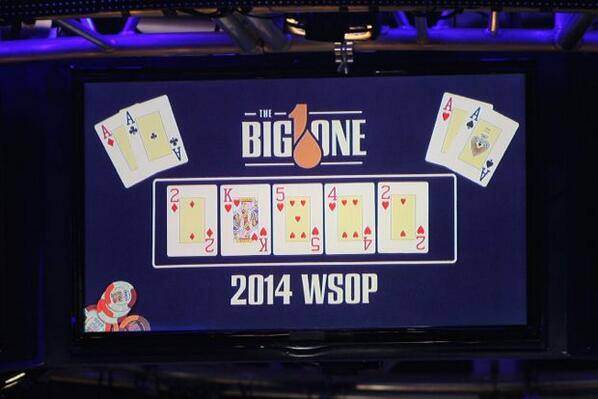
Bad beats hurt. Getting all-in with pocket aces only to watch someone hit their two-outer on the river feels terrible every single time. The frustration doesn’t really go away but learning how to handle it separates winning players from everyone else.
What Actually Counts as a Bad Beat
A bad beat happens when chips go in as a heavy favorite but the hand loses anyway. Say someone flops the top set against a flush draw and loses when the flush hits. That’s a bad beat technically, even though the flush draw had about 30 percent equity. Understanding this changes everything. Pokerology’s overview of fundamental poker concepts explains how variance works over time, and accepting that bad beats will occur helps prepare mentally for when they inevitably show up.
The Expectation Problem
That one time out of five when the underdog hits though? Complete meltdown. The reaction seems justified but it shouldn’t be, because that one-in-five loss is just as expected as the four-in-five wins. The randomness of which specific hand becomes that one loss makes it feel personal when it isn’t.
Here’s something weird that makes sense once you think about it. Good players actually experience more bad beats than weak players do. Solid players get their money in good positions more often, which means they’re favorites more frequently, which means they get sucked out more frequently too.

Taking Breaks Saves Money
Nothing preserves a bankroll better than stepping away after a brutal beat. Whether that’s five minutes or five days doesn’t matter as much as actually doing it. The urge to win the money back immediately destroys more bankrolls than the bad beats themselves. Players who stay after getting crushed often start chasing, making huge bluffs, calling with garbage draws. The thinking becomes “if they can win with junk, so can I” which leads to spewing chips everywhere. Taking time to cool down and returning with a clear head prevents this completely.
Sklansky Dollars and Long-Term Thinking
Understanding poker stats is important to ensure winning. The 10 percent chance of losing exists and will hit eventually. Getting caught in that 10 percent doesn’t change the fact that the decision was correct and profitable long-term. Poker is essentially one long session anyway; individual results matter way less than decision quality over thousands of hands.
Without bad beats, poker wouldn’t be profitable for anyone. The random element keeps weak players coming back because they remember that time they rivered a flush against the top set. Those occasional wins trick them into thinking their play was correct or that poker is mostly luck. Good players should be grateful for bad beats in a weird way. They’re what keeps recreational players in games, convinced they can win despite making terrible decisions most of the time.
Conclusion
Managing tilt long-term requires work beyond just taking breaks. Meditation helps, yoga helps, working with a mental game coach helps. Getting in the right mindset before even starting a session reduces the likelihood of tilt affecting play later. Studying poker fundamentals before playing can reset focus and put the brain in a logical decision-making mode instead of an emotional one. Professional players know time is money though, so finding quick reset methods becomes crucial for staying in action without playing badly. The goal isn’t eliminating emotional reactions to bad beats completely. That’s probably impossible. The goal is controlling those reactions enough that they don’t leak chips through subsequent bad decisions. Winners feel the frustration too; they just don’t let it change how they play the next hand.
Justin Saliba has quietly built a reputation as one of the most thoughtful and versatile poker coaches on PokerCoaching.com. While some instructors lean into theory or pure exploitation, Saliba sits comfortably in the middle. His videos consistently show how elite players actually study, think, and adjust.
Saliba doesn’t just show charts and solvers. He explains how to use them, when to deviate, and how to turn study time into real results. Below are the five best PokerCoaching training videos from Justin Saliba, each highlighting a different pillar of modern poker success and showcasing why he’s such a valuable voice for players looking to level up their game.
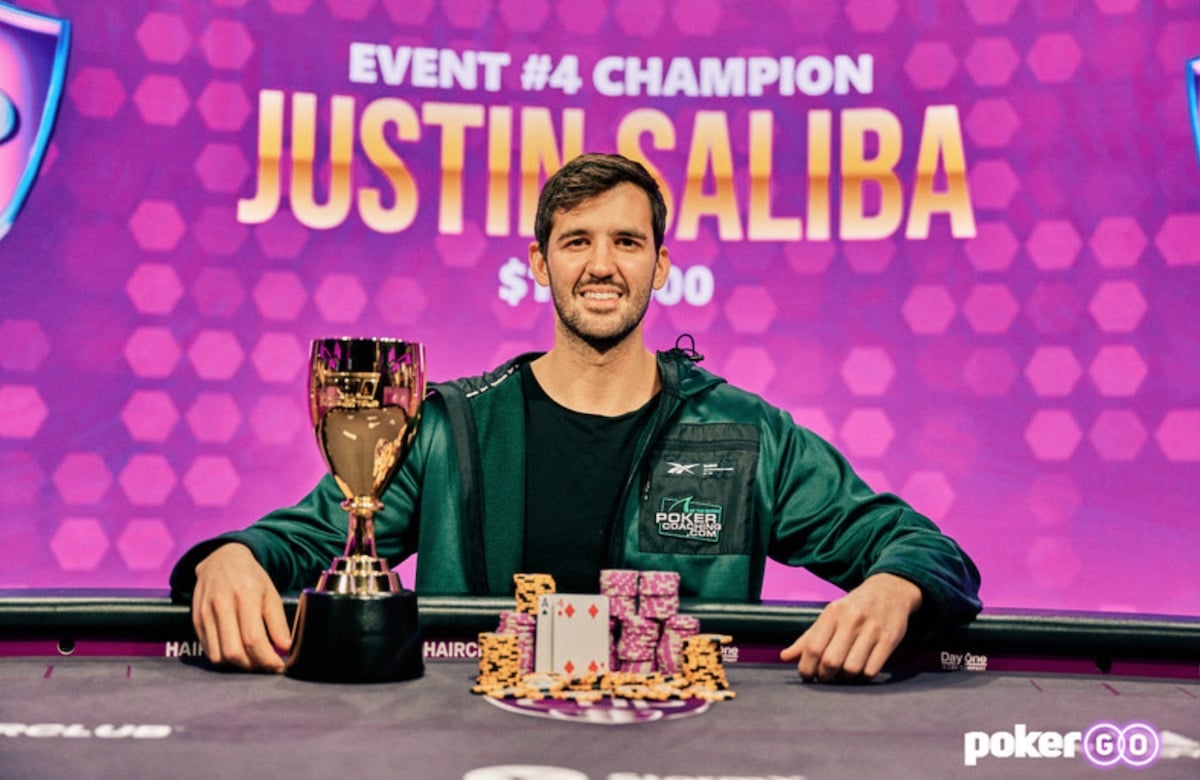
1. How to Study with Justin Saliba
This 50-minute video is essential viewing for anyone who’s ever wondered whether they’re studying poker the right way. Rather than focusing on flashy hand histories or advanced exploits, Saliba zeroes in on the process. He walks through how he personally uses software to sharpen his decision-making on the flop, both in position and out of position.
Saliba emphasizes that meaningful study requires a deep understanding of both players’ ranges across many scenarios, not just memorizing your own strategy. He carefully breaks down each step of the hand, showing how small changes in ranges can dramatically affect optimal decisions postflop.
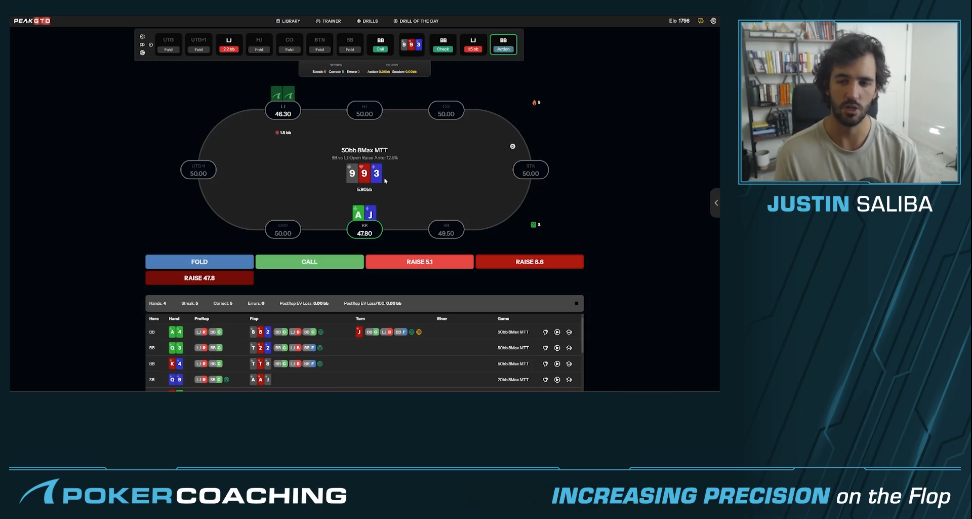
What really elevates this lesson is how Saliba bridges theory and practice. After analyzing the hand, he jumps into PeakGTO’s drill library to replay similar spots, reinforcing concepts through repetition. This video isn’t just about learning poker; it’s about learning how to learn poker.
WATCH: How to Study with Justin Saliba
2. Mastering Blind vs Blind Strategies in MTTs (25bb Study)
Blind-versus-blind play at 25 big blinds is one of the most uncomfortable and misunderstood spots in tournament poker, and Saliba tackles it head-on in this 35-minute breakdown. Using GTO preflop charts as a foundation, he explains why a polarized strategy is mandatory.
At this stack depth, ranges are wide, equities run close, and players are frequently forced into all-in decisions across multiple streets. Saliba does an excellent job explaining why polarization works here, rather than simply telling viewers what buttons to click. He connects stack depth, positional disadvantage, and future street play into a cohesive strategic framework.

Saliba also offers insight on his tournament instincts in this video lesson. He talks through the emotional swings and inevitable collisions that come with blind-versus-blind play, showing how resilience and adaptability are just as important as technical precision.
WATCH: Mastering Blind vs Blind Strategies in MTTs (25bb Study)
3. Defending vs Aggression in Deep-Stacked Cash Games
In this 28-minute session, Saliba steps into the world of high-stakes cash games, drawing directly from his own experience playing at $25/$50. While many players think of him as a tournament grinder, this video makes it clear that he’s just as dangerous in deep-stacked cash.
Saliba walks through real hands and explains how he selectively applies GTO concepts in games where opponents are far from optimal. Rather than blindly following solver outputs, he shows how to identify spots where opponents over- or under-bluff.

He openly discusses uncertainty, adjustment, and the importance of understanding your opponent’s tendencies. This video lesson provides a great reminder that GTO solutions are a tool, not a rulebook, and that elite cash game poker is often about choosing the right moments to deviate from what solvers will output as optimal play.
WATCH: Defending vs Aggression in Deep-Stacked Cash Games
4. Transitioning from Live to Online Cash Games
Moving from live poker to online cash games is one of the toughest transitions a player can make. In this hour-long video, Saliba explores the challenges that come with the shift, including faster decision-making, multitabling, and the importance of a solid theoretical foundation.

Saliba also dives into the subtle differences that many players overlook. Online poker games demand sharper preflop discipline, greater comfort with GTO concepts, and a different approach to interpreting information. While live tells fade into the background, bet sizing, timing, and population tendencies become far more important.
For live poker players considering a move online, or online players curious about the gap between formats, this video provides a roadmap that you can’t ignore.
WATCH: Transitioning from Live to Online Cash Games
5. 2-7 + Stand-Up Game Analysis with Next Gen Poker
Rounding out the list is one of Saliba’s most unique and entertaining videos. In this 45-minute session, he explores the nuances of playing No Limit Hold’em while the “2-7 game” and/or the “Stand-Up game” is on. Joined by NextGen Poker, Saliba breaks down the nuances of this unusual setup, analyzing hands from multiple player perspectives and highlighting how their incentives change based on the potential extra winnings/losses to be incurred when there’s the added 2-7 or Stand-Up game wrinkle in play.

This video showcases Saliba’s versatility as both a player and a coach. He’s comfortable outside his comfort zone, curious about new formats, and eager to explore how fundamental poker principles adapt across games. For players looking to broaden their strategic horizons beyond the basics, this lesson is a standout.
WATCH: 2-7 + Stand-Up Game Analysis with Next Gen Poker
Conclusion
Justin Saliba’s PokerCoaching videos offer a clear window into how a modern, high-level player actually thinks. Whether he’s teaching study habits, breaking down tough tournament spots, or experimenting with cash game formats, Saliba balances theory with real-world application.
For players serious about improving their decision-making and understanding poker at a deeper level, Justin Saliba’s training is not just worth watching, it’s worth revisiting again and again.
Poker is not just about playing cards; it’s about making smart decisions over time, especially with your bankroll. If you want to enjoy the game longer and avoid unnecessary stress. You need a clear money strategy. The good news is that this doesn’t have to be complicated. With a few smart habits, you can protect your funds and play with confidence. Here are five practical strategies to help you manage your money when playing online poker.
Set a clear bankroll before you play
Decide how much of your disposable income you are willing to use for poker before you sit down. This amount is your bankroll, and it should never interfere with everyday expenses. The importance of clear money habits extends beyond poker. In the UK, around 39% of adults say they don’t feel confident managing their money, and 11.5 million people have less than £100 in savings. This shows that financial discipline is far from universal.
A clear bankroll strategy means:
- Only using money you can afford to lose
- Treating your bankroll as a fixed limit, not something you top up after a bad session
- Avoiding loss-chasing or emotional deposits
- Keeping poker funds separate from personal finances, ideally through a dedicated account or payment method.
When your bankroll runs out, you stop playing. That discipline removes pressure from individual sessions and plays a major role in long-term sustainability.
Choose stakes that match your bankroll
Playing at the right stakes is just as important as setting a bankroll. Many players move up too quickly, hoping for bigger wins, but this usually leads to faster losses. This is a really important lesson when you’re learning how to play poker.
You want enough buy-ins to handle normal swings. Poker has ups and downs, even when you play well. Staying within your bankroll limits gives you room to recover from losing sessions without draining your funds.
If you feel pressure or anxiety every time you place a bet, the stakes are probably too high. Playing at comfortable levels helps you think clearly, make better decisions, and stay in control of your money.
Track your wins, losses and habits
Many players rely on memory to judge how well they are doing, and memory is rarely objective. Tracking your sessions gives you a clearer picture of how your bankroll actually moves over time. This doesn’t need to be complicated. A simple record is enough, such as:
- Deposits and withdrawals
- Games or formats played
- Session length
- Wins and losses
- Notes on focus, fatigue or decision-making
Over time, patterns start to emerge. You may find that certain formats or specific games like Texas Hold’em for example, suit you better, or that late-night sessions consistently perform worse than daytime play. This awareness allows you to make changes before a real problem can emerge.
Use fast payments and trusted platforms to stay in control
Fast deposit and withdrawal options are not just about convenience. They play a big role in helping you manage your poker money properly. When transactions are processed quickly, you always know where you stand. There is no confusion about pending withdrawals or delayed balances. That clarity makes it easier to stay disciplined and avoid overspending or losing track of your bankroll.
This is why many players look for poker platforms with reliable and fast cashouts. Casino.ca ranks the fast withdrawal casinos, making it easier to find poker sites that support better money management. When your money moves smoothly in and out of your account, you can stay focused on your game instead of worrying about your balance.
Choosing the right platform matters just as much as payment speed. Not all poker sites offer the same level of reliability or transparency. This is where Casino.ca becomes especially useful. It is a trusted resource for comparing platforms based on what actually matters, including withdrawal times, game variety and overall quality. Instead of signing up blindly, you can use the platform to narrow down options that fit your playing style and financial goals.
Know when to step away
One of the most overlooked money management skills in poker is knowing when to stop. This matters just as much during winning sessions as losing ones.
Stepping away becomes essential when:
- You are tempted to keep playing after a strong win and start taking unnecessary risks.
- Frustration after a loss pushes you to chase money you have already lost
- Fatigue or emotion begins to affect your decision-making.
To stay in control, set clear limits before you play:
- A maximum time limit
- A stop-loss amount you will not exceed
- A chosen point before playing, where you can cash out and leave the table
When those limits are reached, walk away. Poker will still be there tomorrow, and protecting your bankroll today gives you the chance to play better in the long run.
Turning good habits into long-term poker play
Taken together, these five strategies cover the essentials of poker bankroll management, from setting limits to knowing when to walk away.
Online poker rewards discipline just as much as skill. Managing your money properly gives you the freedom to focus on playing well without unnecessary pressure. When you treat money management as part of the game, poker becomes more enjoyable, more sustainable and far less stressful.
Jonathan Little has built his reputation not just as a successful professional poker player, but as one of the most effective coaches in the game. Through PokerCoaching.com (the popular poker training site that he founded), Little has consistently delivered training content that bridges the gap between theory and real-world execution, helping players improve their decision-making in tournaments and cash games alike.
What separates Jonathan Little from many instructors is his emphasis on clarity. His videos focus on identifying repeatable patterns, avoiding common mistakes, and exploiting opponents in ways that are simple to understand.
Below are five of the best PokerCoaching training videos from Jonathan Little. Each one offers a unique perspective on how winning players think, adjust, and capitalize on their opponents’ mistakes.

1. 5 Key Exploits in Large Field Tournaments
In this concise but informative video, Jonathan Little focuses on one of the most important skills in modern tournament poker: exploitation. While many players become overly focused on playing perfectly balanced strategies, he explains that large-field tournaments reward players who can recognize and attack the population tendencies.
Throughout the video, he outlines five specific exploits that consistently generate value in massive tournaments. These include identifying opponents who play too tight, over-folding in key spots, or misunderstanding stack-size dynamics. Little emphasizes that while game theory optimal play provides a solid foundation, most opponents in large fields aren’t playing optimally. That creates great opportunities for players like you!

This lesson is especially valuable for players grinding online tournaments or live MTTs with hundreds or thousands of entrants. By focusing on common mistakes rather than rare edge cases, Little gives viewers adjustments they can immediately apply to increase their ROI in large-field events.
WATCH: 5 Key Exploits in Large Field Tournaments
2. WSOP Main Event Review
The World Series of Poker Main Event is poker’s ultimate proving ground, and in this 30-minute video, Jonathan Little walks viewers through a detailed review of his own hands played on poker’s biggest stage.
Little uses the review to explain his thought process across many hands and against different opponent types. He discusses stack sizes, ICM implications, table dynamics, and how pressure impacts player behavior in notable “bucket list” poker events. Each hand becomes a teaching moment, with Little showing how small decisions compound over time.

This video is particularly instructive because it explains how elite-level poker fundamentals hold up under extreme conditions. Players can gain insight on disciplined play, avoiding costly mistakes, and recognizing high-leverage opportunities when the stakes, and spotlight, are at their highest.
3. 3 Profitable Tricks Against Weak Players in Live Cash Games
In this 45-minute video, Jonathan Little turns his attention to one of the most profitable environments in poker: live cash games. He focuses on three simple but highly effective adjustments that exploit common mistakes made by recreational players.
Little explains how many live players struggle with hand reading, bet sizing, and emotional control. Once strong players recognize these leaks, they consistently extract value through better sizing, clear value betting, and disciplined folds. Patience is a virtue, and waiting for high-quality spots often leads to more profit than pushing constant aggression.
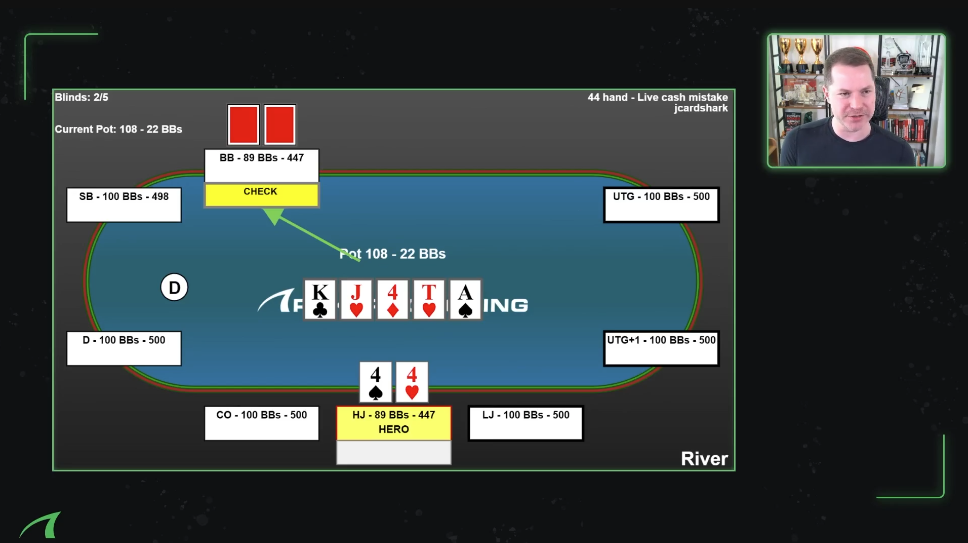
Against weak opponents, a straightforward strategy executed well is often the most profitable path. Little breaks that approach down in this video in a way that’s easy to understand and apply to your own poker game.
WATCH: 3 Profitable Tricks Against Weak Players in Live Cash Games
4. When to Value Bet or Bluff
It’s a constant struggle: determining whether a hand should be bet for value or turned into a bluff. In this 38-minute video, Jonathan Little breaks down his steps to making this tough decision.
He explains how to evaluate your hand strength relative to your opponent’s range, how board texture influences betting strategy, and why understanding your opponent’s tendencies is crucial. Your bet sizing changes may also change depending on whether your goal is to get called by worse hands or force folds from better ones.

In this video, Little provides a structured framework for making value-bet and bluff decisions, helping players avoid common errors like thin value betting in bad spots or bluffing opponents who simply won’t fold. The options change depending on if you play tournaments or cash games, but Little is there to break down those differences as well.
WATCH: When to Value Bet or Bluff
5. Common Bet Sizing Tells
Rounding out this list is a short but sweet video, zeroing in on bet sizing tells. Jonathan Little explains how many players unintentionally reveal the strength of their hands through inconsistent sizing.
In this session, he breaks down what you can from common mistakes, such as oversized bets with strong hands, small bets with marginal holdings, and awkward sizing that reflects uncertainty. The lesson does a great job demonstrating how you may exploit these patterns while remaining balanced yourself along the way.

This video is especially valuable for live players, where physical presence and comfort level are a major part of the game. By learning to recognize these tells, Little insists that any player can make more accurate reads and avoid costly mistakes in marginal situations.
WATCH: Common Bet Sizing Tells
Conclusion
Jonathan Little’s PokerCoaching videos excel because they focus on repeatable, real-world skills that will actually help you win money. From exploiting opponents in massive tournaments to identifying bet sizing tells in live games, his lessons emphasize clarity, discipline, and savvy adjustments.
Whether you’re a tournament grinder, a live cash game regular, or a player looking to refine your decision-making, Jonathan Little’s training provides tools you can rely on long after the videos end. For players serious about improving their results, this handful of PokerCoaching videos are not just educational — they’re essential.
Video poker is famous for sitting right in the middle of two famous casino games: poker (of course) and slots. It’s fast and fun, yet also strategic, which makes it a big hit with players. However, you may have your own doubts about it. Perhaps you’re not sure how to play, or you dislike traditional poker and are not sure if you have the patience.
That’s what this article aims to answer: is video poker actually worth your time (and money), or does it just feel smarter than pulling a slot lever?
Read on to get a clear look at the real pros and cons of video poker, from payout potential and skill-based play to common downsides that catch new players off guard. We’ll also highlight five of the best video poker games to try if you want the strongest odds and the most engaging gameplay.
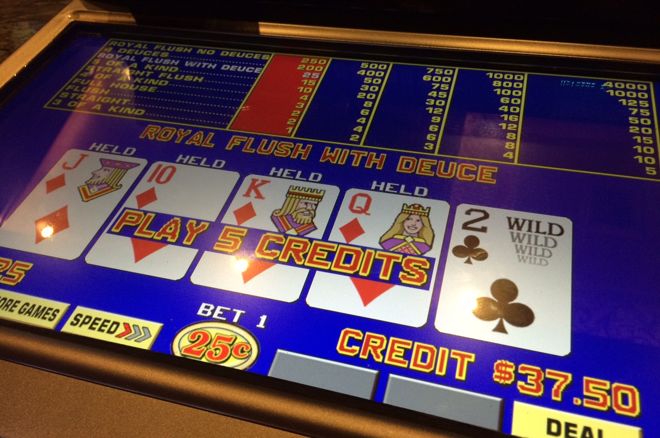
The positives of video poker
It has better odds than most slots
Video poker gets a bad rep for boring results, but it can return more to players who know their poker strategy.
Some versions come surprisingly close to breakeven, which is rare in casino games. The catch is that those returns assume optimal play, not random button-mashing.
Skill does matter
Your decisions shape the outcome. The best players know which cards to hold, when to break a pair, and how to chase a draw. The more times you do this well, the less likely you are to lose money.
Clear rules, no pressure
One of traditional poker’s biggest features is the human dealer you have sitting opposite you – not to mention your fellow players.
In video poker, of course, there’s no one else. This means you can play at your own speed and take your time to learn without getting distracted.
Fast, flexible gameplay
If you haven’t played before, get ready for the speed. Games go by quickly, but they also let you adjust coin size, number of lines, and speed.
The negatives of video poker
You must have a strategy
Video poker might roll by quickly, but you still need a strategy on hand. It’s easy for small mistakes to add up incrementally if you keep choosing the wrong cards to hold. A little effort in learning the strategy goes a long way.
Lower highs than slots
Video poker is steadier, but that also means fewer massive wins. If your goal is chasing huge jackpots or bonus rounds, video poker may feel flat by comparison.
Pay tables are different
Two video poker games with the same name can perform very differently depending on the pay table. This is something that many beginners miss. They often think that all versions are equal, but this can easily lead to them losing money unnecessarily.
Can feel repetitive
The simplicity that attracts some players turns others away. There are no bonus wheels, mini-games, or flashy storylines. It’s card play, hand after hand.
Is video poker worth playing?
Video poker makes sense for players who enjoy structure and don’t mind learning a bit before playing. That said, it’s not automatically “better” than slots unless you approach it thoughtfully.
If you want low-effort entertainment, then stick with slots. If you want a measured, skill-influenced game, video poker may just have what you’re looking for.
5 video poker games to try out
If you’d like to try out video poker games to find out if you enjoy them, then you don’t need to pay money.
Websites like Casino Guru have scores of free demos that you can play through their site: these will give you an unlimited amount of imaginary funds to play with so you can take all the time you need to make your choice. This is a sensible approach as gambling can be tricky and it’s easy to lose money. Free practice makes sense. You won’t risk wasting real money while still learning the games.
To help you decide, though, here are five of the most popular titles around right now.
Jacks or Better
The classic starting point. Simple rules, predictable payouts, and solid returns when played well. The clue is in the name: aim for a pair of jacks or higher to cash out. Playing this will mean you learn basic video poker strategy without getting into complicated bonus hands.
Triple Double Bonus Poker
If you like to play four-of-a-kind hands aggressively, then this is the game for you – especially if they contain aces and kickers.
You’ll get more risk than with Jacks or Better, but they’re a good way to try out higher variance.
Video Poker 3 in 1
Want to switch between different poker styles within one game? This version will let you do it. It’s also good for players who like variety without bouncing between machines, and those who wish to compare how different rules affect their results.
Crown 5PK
You play one hand across five boards at once, which is not only fun (and more chaotic) but also increases volatility. This burns through credits faster though, so it may be best for experienced players who enjoy multi-hand formats.
Pineapple Poker
This is a version of traditional poker where you get rid of one card following the draw. You may find that it feels more interactive than standard formats, which makes a nice change if you’re bored with classic five-card games. Be ready to put your strategy to good use here.
Final verdict
Anyone who plays video poker to make easy money will be disappointed, but it’s definitely not a waste of time if you learn how to play.
Choose the right game, pay attention to the pay table, and apply basic strategy. It can be one of the more balanced casino options available. If you enjoy games where your choices matter, video poker is absolutely worth playing.
Most poker players understand that they want to maximize the return on investment they input into hands. Typically, this involves playing hands in a manner that increases winnings and minimizes losses incurred. However, there are sometimes considerations to be made in a game that go beyond what will make the most profit given the immediate hand played. A major contributor to a player’s long-term success is maintaining access to great games and having others give action despite being a regular winner in a game. This is often achieved by how one conducts themselves rather than the decisions they make in the gameplay of hands.

One example of this came up in a hand of fixed limit $30/$60 mix I played. In this hand, we played the triple draw variant known as badeucey, and my opponent was a player who lost the majority of the time. Without getting into too much detail, my opponent effectively tabled their hand early when there was still 1 draw available to both of us. From seeing his hand face-up, I quickly surmised that I was guaranteed half the pot and had a 10% chance to scoop the entire pot if I drew 2 good cards to complete my hand.
Immediately my opponent complained and raised his voice as he said “Hey, this isn’t fair, I didn’t realize there was still 1 draw left!” My immediate reaction was to consider long term implications with this opponent rather than how I could maximize every dollar available at that moment. First, he was obviously checking the river since his hand was face-up and I was second to act. Next, it was up to me how I wanted to respond and handle the situation. I was 10% to scoop, and by betting the river I could win an extra $60. Therefore, my equity on the 2-card draw was $6. As such, if I declined my bet on the river, I would only be sacrificing $6 of value. All things considered, the equity of keeping this opponent happy in the long run and being excited to play with me far outweighed the $6 equity I could gain by betting and winning in this spot.
Ultimately, I looked up at my opponent and said “No worries, I am going to draw two cards, and I will check river no matter what I get.” This made him happy and deescalated the situation. I ended up bricking the draw, but even if I had made my hand, I would have been fine with the chop since I would have kept an opponent who regularly donates happy.
Wrong Game? No Problem. Refund!
Another similar example came up in a hand of $8/$16 mix that I played. In mixed games, it is much more common for players to misread hands than in other variants, often including their own holdings. This is especially true for players who are new to mixed games and aren’t familiar with all the different game variants in play, or who may not be paying attention when the game changes.
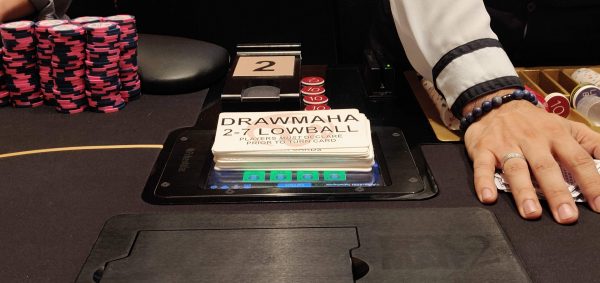
In this case, my opponent missed that the game changed to 2-7 Drawmaha, a 5 Card Omaha variant where half the pot is awarded to the best traditional Omaha hand while the other half goes to the lowest hand in a player’s hole cards. For the hole card portion, the lowest possible hand would be 23457 (comprising a 7-low and no straight). In the hand played, my opponent did not realize that the game was being played for low in their hand, and instead played for high in their hand. He called down my bets as I fired every street, and on the river tabled 77554 for two pair in their hand without any reasonable connection to the board. As such, I easily scooped the pot, and my opponent was disappointed that they had just given away all those bets playing the wrong game.
Now, I have no obligation to give my opponent anything in this spot, but once again I thought about the long-term implications. This player was new to mixed games, and if the taste he walked away with would be “this game is too complicated and the players are unforgiving,” he may be unlikely to play again. On the other hand, if I gave him back his last bet, he may remember that “mixed game players are the type he wants to play poker with” (even if he isn’t good at the game yet). As such, I told him to take his last bet back and saved him $16. That was an investment I was making in him returning action to me in the future, and I’d make the same decision again for him or somebody else in a similar spot.
Conclusion
Players often talk about how they want to maximize equity for best long-term profit. What can sometimes get overlooked is that being “good for a game” can also yield great value in the long run. It can also serve to keep good action in the game, as well as to encourage opponents to keep playing regardless of their results. Furthermore, it has the added value of increasing the likelihood that you’ll be granted access to home games that may be juicier than games available at a local casino. At the end of the day, you’ll end up gaining a reputation of being a nice guy while simultaneously increasing your long-term EV.
The world of online gambling offers a vast array of choices for players seeking entertainment and the chance to win big. Players increasingly face the decision of which platform to engage with, with options ranging from online casinos to poker rooms. Online casinos and poker rooms cater to different types of players, each offering unique gaming experiences. Understanding the differences between the two and what players value in these platforms is crucial for making an informed choice.
When it comes to selecting a platform, players have specific needs and expectations. Online casinos in Europe, for example, offer various games, from slots to live dealer games, while poker rooms provide a more social and skill-based gaming environment. These platforms vary greatly in terms of the gaming experience, the types of games offered, and the community dynamics. Let’s dive into the key differences between online casinos and poker rooms and how players choose between the two.
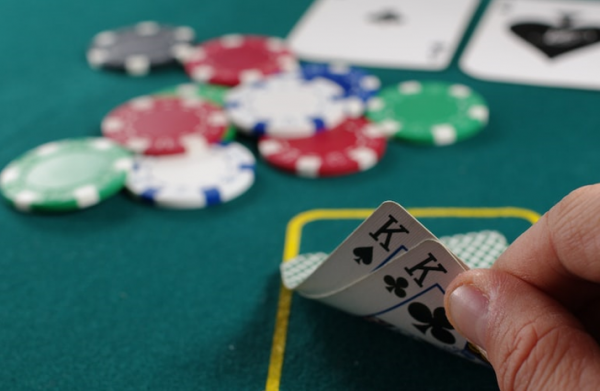
Online Casinos: The Allure of Variety and Convenience
Online casinos are popular for their broad selection of games, ease of access, and the excitement they offer. These platforms provide players with a vast range of gaming options, which include everything from traditional table games to modern slot machines and live dealer experiences.
Variety of Games
The biggest draw of online casinos is their variety. Players can choose from a vast array of games, including:
- Slots: One of the most popular types of games, offering a wide range of themes and payout structures.
- Table Games: Classic games like blackjack, roulette, and baccarat are staples in most online casinos.
- Live Dealer Games: A more immersive option, where players can interact with live dealers in real-time, offering a more realistic casino experience.
Players who enjoy the thrill of variety and convenience often choose online casinos because they offer a game for every mood and skill level. For instance, a player might opt for a simple slot game when they want to relax or choose a game of blackjack when they’re looking for something more strategic.
Convenience and Accessibility
Online casinos also shine in terms of convenience. Players can access these platforms from the comfort of their own homes, and with mobile optimization, they can play on the go. Whether on a desktop, tablet, or smartphone, the ability to enjoy games at any time is a major factor in why players flock to these platforms.
Moreover, platforms allow players to explore various online casinos, making it easier to compare games, promotions, and other essential features. This access to information helps players make informed decisions and choose the casino that suits their preferences.
Bonuses and Promotions
One of the most attractive features of online casinos is the bonuses they offer. Whether it’s a welcome bonus, free spins, or a loyalty program, online casinos are known for rewarding their players. These bonuses provide extra value to the gaming experience, often allowing players to extend their playtime or try new games without committing more money upfront. This feature is one of the key reasons players are drawn to online casinos over other platforms.
Poker Rooms: The Appeal of Skill and Strategy
Poker rooms, on the other hand, attract players who enjoy the strategic and competitive elements of the game. Unlike the relatively simple play styles in slot games, poker requires skill, concentration, and the ability to read other players. The experience is also social in nature, as players engage in real-time games with others.
Skill-Based Gaming
Unlike slot games, where outcomes are largely determined by chance, poker is a skill-based game. Players must rely on strategy, probability, and psychology to win. This challenge makes poker appealing to players who enjoy a deeper level of engagement.
In poker rooms, players are given the opportunity to test their skills against others, often in tournament settings. Winning a poker hand requires more than just luck — it requires the ability to read opponents, understand odds, and manage your resources effectively. This makes poker rooms ideal for those who enjoy a competitive, skill-driven experience.
Live Interaction and Social Engagement
Poker is also a social game. In a traditional casino, players engage in conversation with their opponents, often exchanging strategies or friendly banter. Online poker rooms replicate this social element by offering multiplayer tables where players can interact with each other in real-time.
The sense of community and camaraderie in poker rooms is something online casinos can’t quite replicate. Players enjoy competing against one another, building relationships, and even joining clubs or communities within the platform. The social aspect of poker is often cited as one of the main reasons why players return to poker rooms.
Tournaments and Cash Games
Poker rooms typically offer a variety of formats, including cash games and tournaments. Tournaments often feature larger prize pools, which adds to the excitement and draws competitive players. For some, the opportunity to participate in poker tournaments is a major draw, as it adds a layer of excitement and prestige to the gaming experience. In contrast, online casinos focus more on individual games with instant payouts.
How Players Choose Between Online Casinos and Poker Rooms
The decision between an online casino and a poker room depends largely on what type of experience the player is seeking.
Game Variety vs. Competitive Play
Players who enjoy variety and want to try different types of games may prefer online casinos. These platforms offer a wide range of games that can suit various tastes and skill levels, whether the player is looking for something fast-paced like slots or a more strategic experience like blackjack.
In contrast, players who enjoy competition and strategy will likely lean toward poker rooms. The social interaction, competitive nature, and skill-based gameplay are appealing features for players who enjoy the mental challenge and the excitement of competing against others.
Casual Play vs. Strategic Play
If a player is looking for a more casual, laid-back experience, an online casino might be the best choice. The games are easy to learn, and the focus is on entertainment rather than competition. However, for those who enjoy using strategy and competing against others, poker rooms offer a more intellectually stimulating environment.
Conclusion
Both online casinos and poker rooms have their unique appeal, and the choice between the two ultimately depends on the player’s preferences. Whether you’re drawn to the fast-paced action and variety of online casinos or the skill and social dynamics of poker, both platforms offer immersive and engaging experiences. As the online gaming landscape continues to grow, players will likely continue to explore both options, seeking platforms that best meet their needs.
The PGT Mixed Games series has evolved into a must-play stop on the high-stakes calendar for mixed game lovers. The upcoming fifth iteration of PGT Mixed Games, scheduled to take place between February 3-11, demonstrates how niche poker offerings can thrive when they are built deliberately, and with players firmly at the center of the conversation.
To better understand the thinking behind the 2026 edition of the series, I spoke with PokerGO Tour Commissioner Tim Duckworth. Tim shared some candid insight into how the PGT uses historical data and player feedback to shape the series, why February has become its permanent slot on the yearly calendar, what ultimately drives livestream decisions for mixed games, and where responsibility lies for growing the mixed-game ecosystem. Our conversation also touched on satellites, viewership realities, and more.

This is now the fifth iteration of PGT Mixed Games. How do you go about populating the tournament schedule? What data do you look at from years past? What goals are you trying to hit? What “metrics” are you trying to maximize from the PGT perspective and for the players?
The reason we started PGT Mixed Games was to give mixed game loyalists an opportunity to play their own dedicated mixed game series – something no one else was doing. Being part of the PGT, it was always going to be for high-stakes, so the schedule has always been crafted by the players.
The first, in February 2023, involved extensive discussions with players to create a schedule that would attract large numbers while offering a variety of events. Since then, each PGT Mixed Games series has undergone minor adjustments to maximize turnout or accommodate player requests. In 2024, we dropped the opening events buy-ins to $5,000. In 2025, we shortened the series and experimented with Mori’s Mix (six limit one-winner games). For 2026, due to player requests, we’re bringing back Big Bet Mix to replace Mori’s Mix.
Ultimately, I view all our PGT events as the players who are putting up the money. We need to create schedules that appeal to them and foster the desire to play.
When it started out, the series took place twice a year, but now it’s just once a year, in February. Why not more often, and why that time of year?
It was actually never planned to be twice a year. The popularity of the first prompted players to request a second, so we did a second in October 2023. Unfortunately, that was a mistake. It stretched the players’ bankrolls too thin because they now had three high-stakes series (two PGT Mixed Games and the WSOP), and we saw a significant drop in numbers.
I decided, heading into the 2024 PGT season, that PGT Mixed Games would be held once a year. My goal was to deliver a single, high-impact series with strong attendance. I knew 2024 wouldn’t see a massive increase because 2023 was so packed, but I knew 2025 would rebound strongly. And it did. We set records for PGT Mixed Games in both the $5k and $10k variants of H.O.R.S.E. and 8-Game, with a whopping 148 entrants in the $5k 8-Game – pretty crazy numbers for a turbo mixed game event … something that mixed game players normally hate.
What factors govern which Mixed Game Series get streamed for fans on PokerGO, and what sort of viewing targets are you hoping to achieve, given that it’s obviously not a NLHE series of events?
We will be live streaming the following five events:
- Event #1: $5,100 H.O.R.S.E.
- Event #4: $10,200 8-Game
- Event #5: $15,200 Big Bet Mix
- Event #7: $25,300 10-Game Championship
Unfortunately, mixed games have never had high viewership. Even when we livestreamed the WSOP $50k Poker Players Championship with Phil Ivey as the headlining player, it performed worse than a $500 or $1,000 buy-in No-Limit Hold’em event.
Originally, for 2026, we weren’t planning on livestreaming PGT Mixed Games. But the mixed game community is super engaged and rallied together to provide us with enough feedback that we called an audible and decided to livestream four of the final tables.
Join us at the @PokerGO Studio in Las Vegas for the next edition of the PGT Mixed Games series! ????
Seven tournaments from February 3-11, buy-ins $5,300 to $26,000, and rake discount for on-time registration.
➡️ https://t.co/5h9xtQBQNN pic.twitter.com/4DNiyPKplF
— PGT (@PokerGOTour) January 29, 2026
The four final tables we chose offered a variety of poker variants that will appeal to the viewers. H.O.R.S.E. is obviously a staple of the PGT Mixed Games series, and the $5k price point opens the door to seeing a few new faces at the final table. The stakes get bumped for the $10k 8-Game, so we will hopefully see some of the mixed game stalwarts reach that final table.
The Big Bet Mix will be a high-action final table featuring unique games you don’t see often. Finally, if there was only one final table to livestream, you would obviously pick the series finale of the $25k 10-Game Championship. Big names, big money, and likely the decider to see who is crowned the 2026 PGT Mixed Games champion!
Mixed games are obviously niche within poker and aren’t watched by as many people as NLHE and PLO events. But there’s also a “chicken and egg” argument, that if more mixed games were televised and streamed, more people would learn them, want to play them, and they’d grow in popularity. Plenty of people want to see more mixed games being broadcast, and that includes many of the high rolling players who play in the PGT Mixed Game series. That said, there’s a high price tag to produce live streams. How, in your view, can that gap be breached in order to further help facilitate the growth of mixed games on the whole?
Livestreaming is expensive and companies will always look at the ROI when making a decision on whether or not something should be livestreamed. Mixed games are significantly more niche than No-Limit Hold’em or Pot-Limit Omaha, but they obviously do belong in the poker world.
The problem with livestreaming mixed games is that they don’t appeal to the general poker fan. The games are confusing, and most people understand and only really care about No-Limit Hold’em.
I don’t think growing mixed games should fall on the shoulders of PokerGO or any other livestreaming company. It’s also hard for operators such as the WSOP to offer a $1,500 Dealer’s Choice over a $1,500 No-Limit Hold’em. They know their revenue is capped with the Dealer’s Choice, but as an operator, they understand that the health of their tour is based on offering a well-rounded product.
Growing mixed games stems from the grassroots: low-stakes games and Mixed Game Festivals like the ones you host. I’ve seen this happen for years. You’re sitting in a $4/8 or $6/12 mixed game, and a random player walks over to look at the games. They understand the basic ones, but when they see plaques for Dramadugi and Badeucey, etc., they are immediately turned off and go play something else. Personally, I love some of these games, but they will always be a barrier to new players.
Satellites are key to populating higher-buy-in tournaments the world over. Given that there’s a full year’s worth of lead time into each PGT Mixed Game Series, do you think we might see more satellites popping up throughout the year (online, live, multi-seat, etc.) that could potentially increase field sizes?
We have always put an emphasis on satellites for PGT events – from 2023 onwards, we have awarded 250 seats in PGT events and had 2,599 participants in those satellites. However, the data doesn’t support running satellites even several days out from the series. So we’re basically all-in on satellites prior to the event. Even running them throughout the series hasn’t worked for us.
We would love to have an online partner to help satellite players qualify for PGT events, but we need a few things to fall our way for that to become a staple of the tour.
I’ve heard there is a new trophy for this year’s PGT Mixed Games. What can you tell me about the decision behind the new trophy and how you go about that process?
We had a somewhat lackluster trophy for the first four PGT Mixed Games series, but about this time last year, I was empowered to handle PGT trophies – probably due to our Global Poker Award-winning Texas Poker Open belt buckle. My goal was to reduce costs while creating better trophies.
The PGT PLO Series and PGT Mixed Games have always used the same trophy. For PLO, we worked with a European 3D printing company that designed a trophy with four cards fanned out from the base. For PGT Mixed Games, we used a similar design but with five cards. Obviously, with mixed games, there are so many game variants, so we picked an option that was synonymous with mixed games – five cards with different suits. It represents a wheel in 2-7 or nut-nut in Badeucey.

I hope the players like the new trophy and that it gives them a little extra motivation to try and win one. It just needs a cool nickname … maybe ‘The Mori’.
Getting better at poker can be difficult, especially when it seems like every serious learning resource comes with a price tag. While paid content from the best poker training sites is great for those ready to take their game to the next level, many new and recreational players can use free resources to absorb the basics before taking the next step. That’s where PokerCoaching.com stands out.
Founded by professional poker player and coach Jonathan Little, PokerCoaching.com offers a deep library of free resources that allow players to learn the latest strategy without spending a dime. These tools are designed to help beginners build strong fundamentals, understand how winning players think, and develop confidence at the tables before investing in their game.
Here are the best free resources available on PokerCoaching.com.

Poker Math Every Player Needs to Know
One of the standout free offerings on PokerCoaching.com is Jonathan Little’s course, Poker Math Every Player Needs to Know. Most players see poker as a game of fun, and it is! But this course shines a light on the fundamental math every player should know.
Rather than overwhelming students with complex formulas or abstract theory, Little focuses on practical math that influences winning decisions. The course makes it clear that you don’t need to be a genius to succeed at poker. You just need to understand when and how to make simple calculations. PokerCoaching also offers a full course on Mastering the Fundamentals, for those that want to cover the basics before plunging into the math.
What the Course Covers
This free course consists of 14 lessons totaling over 90 minutes. Topics include:
- Understanding pot odds and equity
- Making profitable calling and betting decisions
- Using math to support Game Theory Optimal (GTO) concepts
- Knowing when and how to deviate exploitatively against weaker live opponents
Little emphasizes learning at a comfortable pace, which makes the course a perfect vessel to onboard players intimated to bring math into their game.
Rather than overwhelm the viewer, this course focuses on reshaping how players think about poker decisions. Learning simple calculations helps beginners move away from the guesswork toward logical game theory. It also serves as a natural gateway into PokerCoaching’s more advanced GTO and exploitative strategy content for those who choose to continue.
Free Poker eBooks for Tournaments and Cash Games
PokerCoaching.com also offers two high-quality free ebooks, tailored to your favorite format. These books are concise, but packed with strategies that players can immediately apply to their games.
Small Stakes Poker Tournaments
This ebook is perfect for players who enjoy online tournaments or live low-buy-in events. It focuses on the unique challenges of small stakes tournaments, where opponents often make large, fundamental mistakes.

Key concepts include:
- Adjusting to common recreational player tendencies
- Understanding stack sizes and tournament stages
- Avoiding costly bluffs and overcomplicated lines
- Maximizing value against loose and passive fields
At 43 pages, the ebook is short enough to read in a single sitting, but dense enough to significantly improve a player’s decision-making.
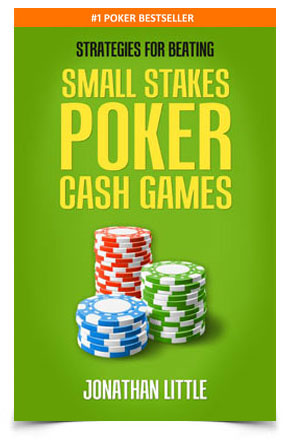
Small Stakes Poker Cash Games
For cash game players, this longer ebook dives deeper into strategy for low-stakes no-limit hold ’em games. It addresses leaks that consistently cost recreational players money, such as playing too many hands, misunderstanding bet sizing, and misreading opponents.
In addition, the ebook emphasizes:
- Solid preflop fundamentals
- Value betting over fancy bluffs
- Exploitative adjustments against common player types
- Long-term mindset and bankroll considerations
Together, these two ebooks give poker players a strong foundation in whichever format they prefer.
Free Preflop Charts (Tournaments and Cash Games)
Preflop play is one of the most important and most misunderstood areas of poker strategy. PokerCoaching.com’s free preflop charts provide players with a clear roadmap for navigating the earliest decisions in a hand both in tournaments and in cash games.

Tournament Preflop Charts
The tournament charts cover a wide range of situations and include both GTO-based recommendations and exploitative adjustments. This helps players understand not only what they should be doing in theory, but also how to adjust when opponents aren’t playing according to theory themselves, which is almost always the case at small stakes.
These charts are especially useful for:
- Learning opening ranges by position
- Understanding shove and reshove spots
- Avoiding common preflop mistakes that lead to difficult postflop situations
Cash Game Preflop Charts
For cash games, PokerCoaching provides charts for both 6-max and 8-max formats. These charts are designed to simplify preflop decisions and build disciplined habits.
By following these charts, players can instantly improve consistency and avoid bleeding chips in marginal spots, especially against common player types at lower stakes.
PokerCoaching.com YouTube Channel
PokerCoaching.com also maintains an active and entertaining YouTube channel, which serves as another free entry point into the latest poker strategy.
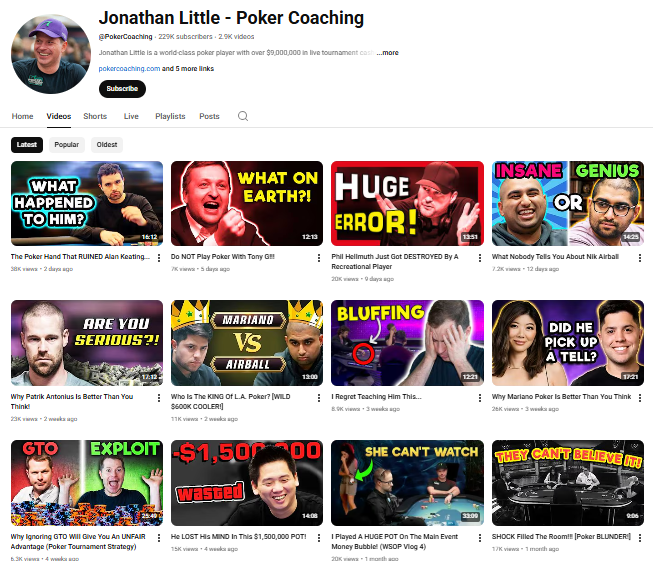
The channel publishes a mix of:
- Breakdowns of viral poker clips
- Hand analysis from real games and tournaments
- In-depth strategy lessons on poker theory concepts
This blend of entertainment and education makes the channel accessible for everyone. Watching Jonathan Little analyze hands in real time helps viewers understand how professional players think, spot mistakes, and capitalize on opponent errors.
For many players, the Pokercoaching.com YouTube channel is the first step that leads them toward deeper study on the site and improved results.
The perfect starting point
These free resources serve as the perfect starting point for PokerCoaching training. By the time someone finishes the free course, reads an ebook, or uses the preflop charts, they understand exactly why deeper (paid) coaching could be valuable.
For new players who are hesitant to spend money on coaching, PokerCoaching.com offers one of the best free starting points in poker today. Whether your goal is to beat small stakes, gain confidence, or simply understand the game at a deeper level, these resources provide everything you need to take that first step.