
Poker has long since been one of the most influential and popular games in the casino industry. What once started out as a simple card game has now turned into a global phenomenon, especially in the Michigan market. Many online casinos are supported by the figures they bring in from poker games. According to Prophecy Market Insights, the U.S. online poker market share is projected to grow from USD 54.03 billion in 2024 and is forecasted to reach USD 183.30 billion by 2034. This is a massive figure. Due to this market size and growth rate, many new players are entering the market. If this is you, there are two key things you need to keep in mind.
Number one, you must know the terminology and rules around poker. A lot of people make the mistake of thinking that because the game is online, you can wing it. But this is not the case. If you go in without knowing the jargon, you’re going in blind and this is not advised. Number two, you need to be aware of the bonus features that you can access. Why? Because these will allow you to make your rookie errors on the platform’s dime and it will allow you to play on games without needing to make your own deposit, as that’s where the bonus comes in.

Core Poker Terminology You Should Know
Poker has its own language and becoming familiar with it makes a big difference. Terms are often used during gameplay, so understanding them helps.
For example, the “flop” refers to the first three community cards dealt on the table, while the “turn” and “river” are the fourth and fifth cards. “Blinds” are forced contributions that rotate around the table, keeping the game moving. Another important term is “hand,” which refers to the cards held or the combination formed.
Knowing these terms will allow you to play with better insight.
How Bonus Features Work In Online Poker
Casino bonuses are just as integral to understanding poker games as the terminology mentioned above.
These bonuses have a wide range of terms and conditions that are linked to each promotion. Wagering requirements are one. A wagering requirement tells you the intricacies linked to a certain casino bonus, for example, a minimum spend or a time constraint.
Due to digital casino promotions being varied and nuanced, it’s worth looking at how review sites rank them. By taking a deeper look at an MI online casino bonus, you gain access to what experts in the field think of certain ones, which ones are worth your time, the wagering requirements linked to each bonus and where to find them. Knowing this gives you more control when engaging.
Understanding Betting And Table Language
In addition to general poker terms and bonuses, there is also language specific to actions taken during gameplay. These poker terms describe how players interact with the game at each stage.
“Check” means passing the action without adding more, while “call” involves matching the current amount in play. “Raise” increases the current level and “fold” means stepping out of the round.
Common Bonus Features To Look Out For
Online poker platforms in Michigan offer a range of bonus features that can enhance the overall experience. Knowing what to look for helps in choosing the right platform and making the most of available offers. Here are a few different ones that you should know about:
- Welcome offers that you can access when you start
- Reload bonuses that give the chance to reload your account
- Loyalty programs that reward you if you’ve played for a while
- Daily or weekly promotions that pop up as the site pleases
- Cashback bonuses when you’ve made a loss
Having a solid understanding of each of these is integral to responsible play.
Managing Your Approach To Online Poker
While terminology and features are important, maintaining a balanced approach is just as essential.
Setting a strict budget before you start playing is something you have to do. This is what responsible online gambling looks like and it’s your job. Another thing that helps with responsible gambling is taking breaks. You need to take a step back from a site, reorient yourself and then get back into things with a clear mind.
Building Confidence Through Experience and Keeping Responsibility in Mind
Confidence in online poker develops gradually. Each session provides an opportunity to learn more about the game and how it works. Over time, terminology becomes second nature and bonus features become easier to navigate. You just need to give yourself time to learn the basics, get comfortable with the game and take it step by step. There is no need to rush the process.
Did you know that 72% of all Americans say they have encountered responsible gaming messaging in the past year, up from 56% in 2022? This shows how vital responsibility and caution are. Please remember to treat online gambling as a hobby and don’t even overextend yourself when gambling.
US legal sports betting handle topped $165 billion in 2025, according to Sports Business Journal. That’s a lot of action flowing through regulated markets, and a growing share of it comes from players who cut their teeth at the poker table. If you’ve been curious about placing a few sports wagers alongside your regular sessions, West Virginia is a solid place to start. The state legalised sports betting back in 2018, making it one of the first in the country to do so. Today, nine licensed sportsbooks operate there, and the regulatory framework is well established. A closer look at West Virginia sports betting shows a market built for accessibility, with both mobile apps and retail locations at all five of the state’s casinos.
So what does this mean for someone who already knows their way around a felt table?
Your Poker Brain Already Knows More Than You Think
Poker and sports betting share more DNA than most people realise. You’re making decisions with incomplete information in both cases. Patience gets rewarded; impulsive play gets punished. And bankroll management isn’t optional in either game; it’s the thing keeping you alive.
The mechanics, though, are different enough to trip you up if you’re not paying attention. Standard bankroll advice carries over almost directly. Most experienced sports bettors recommend risking no more than 1% to 5% of your total bankroll on any single wager. Poker players will recognise that discipline immediately.
One thing that trips up a lot of crossover players: in poker, you play the table you’re at. In sports betting, you can (and should) compare odds across multiple operators before placing a bet to achieve maximum value. West Virginia’s nine licensed sportsbooks give you enough options to make line shopping worthwhile. It’s an edge poker players aren’t used to having, and too many leave it on the table.
What West Virginia Gets Right for New Bettors
West Virginia’s market won’t dazzle you with the sheer volume of a New York or New Jersey. The state’s population sits around 1.8 million, and the 2025 sports betting handle came in at $482.4 million, according to data compiled by Covers from West Virginia Lottery reports. Those are modest numbers by national standards.
What matters more, especially for someone stepping into sports betting for the first time, is how the market is structured.
Mobile betting accounts for more than 95% of sports betting revenue in the state, according to the American Gaming Association’s State of the States 2025 report. That means you can place wagers from anywhere within state lines through any of the major apps: FanDuel, DraftKings, BetMGM, Caesars, ESPN BET, BetRivers, Fanatics, Betly and Golden Nugget. You need to be 21 or older and physically present in West Virginia (geolocation keeps things honest), but you don’t have to be a resident.
For poker players who already visit West Virginia’s casino properties, the crossover becomes even more natural. The same venues that host poker rooms also house retail sportsbooks. You’re adding a new activity in a setting you already know.
College sports betting is legal here, including wagers on in-state teams. Esports betting is permitted too, which opens another avenue for players who follow competitive gaming.
One detail worth watching is West Virginia’s current 10% tax rate on operators is among the lowest in the country. That’s historically meant competitive odds and solid promotional offers for bettors. House Bill 4398, introduced in January 2026, proposes raising this to 25%. If it passes, operators in a smaller market like WV have fewer ways to absorb the cost, and that could eventually tighten the promotional environment.
Thinking in Bets, Not Hands
The biggest adjustment for poker players moving into sports betting comes down to how you think about edge. You can recalibrate everything else fairly quickly.
In poker, a skilled player can develop a measurable, repeatable advantage over weaker opponents. Given enough hands, that edge compounds. Sports betting works differently. The bookmaker builds a margin into every line [the vig], and the house retains a structural advantage on every wager you place.
West Virginia’s sportsbooks posted an average hold of 12.8% in 2025, per Covers’ tracking of West Virginia Lottery data. That means bettors collectively lost roughly $12.80 for every $100 wagered across the year. The state’s $59.6 million in gross sportsbook revenue came from $482.4 million in total handle.
None of that means you can’t be a disciplined, profitable sports bettor. It means the edge is thinner and the margin for error is smaller. Data matters more than gut instinct here. Team form, injury reports, matchup history, weather conditions; the best sports bettors treat every wager like a research project.
If you’ve spent years learning to calculate pot odds and read situations at the table, why would you approach a sportsbook any differently?
The Crossover Is Closer Than You Think
West Virginia’s sports betting market is compact, well regulated and accessible. For poker players looking to branch out, it offers a structured starting point with enough operator choice to compare lines and enough regulatory clarity to bet with confidence. The skills you’ve built at the poker table [bankroll discipline, probability thinking, emotional control] don’t go to waste here. They get applied to a different game.
With proposed tax changes on the horizon and the market continuing to mature, the conditions for bettors may shift in the coming years. For now, WV’s framework remains one of the more bettor-friendly setups in the country.
You don’t need to walk away from the poker table to explore sports betting. You just need to bring the same rigour to your wagers that you bring to your sessions.
In mid- and low-stakes poker, players usually don’t lose because of bluffs or reckless aggression. The most common reason players are losing is calling too often. It feels safe, and the players aren’t risking as much as they would by raising.
Some players also justify the call by wanting to see how the hand will play out. In the long run, calling too much could become the most expensive leak for a player. In this article, we’ll explain how to avoid it.
Why Calling Too Much Is a Silent Bankroll Killer
Calling is a passive action. When a player calls, they give control to the opponent. They cap your range, making it harder to represent strong hands later. It also allows the opponents to continue betting with confidence. It creates a dynamic in which players who bet are often doing so with value-heavy ranges. This is especially the case in low-stakes games.
A call only makes money when it beats enough bluffs. Most players in low-stakes games don’t bluff enough for this to work, especially not on the turn and the river. The damage tends to add up slowly. Calling one extra river bet might cost you a single buy-in over a session. Calling too often over a long time period can destroy the win rate altogether.
The Psychology Behind Overcalling (Why Players Can’t Fold)
The players keep overcalling even though it’s so expensive. It’s not about poker strategy but rather about psychology. Players are often afraid of being bluffed, and that’s why they do it. They also don’t want to feel as if they are pushed around. Others are just curious about what will happen.
Some players also don’t understand the more sophisticated concepts. They learn about minimum defense frequency and assume they must defend a certain percentage of hands. That logic doesn’t hold up in the low-stakes fields.
Where the Leak Shows Up Most (The Expensive Spots)
By analyzing data from countless anonymous crypto poker gambling sites, a pattern emerges: overcalling is more expensive in some situations. Sites like these allow players to place wagers with crypto without providing personal data. They also store information about every transaction and, therefore, every loss.
First, river bluff-catching against passive players is the biggest leak in the game. When a tight, straightforward opponent bets the river, their range is overwhelmingly weighted toward value. However, many players wrongly believe that the best way to go is to call with marginal hands like top pair or second pair. These are, in fact, rarely profitable.
Preflop overcalling also sets the stage for failure. Calling too wide leads to weak ranges and forces you into difficult postflop decisions. If the players don’t show initiative, they’re just reacting to hands.
Multiway pots are often misunderstood. Bluff frequency drops significantly when multiple players are involved, yet many players loosen their calling ranges. As a result, the players are paying for stronger hands more often than necessary.
The Math Behind the Leak: Why It’s So Expensive
Poker is about the expected value of a hand. Calling too much disrupts the balance. It’s possible to profit from catching bluffs only if there are enough bluffs to catch. If they’re not, the call becomes mathematically lost.
For example, imagine you need your opponent to be bluffing one-third of the time to justify a call. If they’re only bluffing 15–20% of the time, every call will lose money. Such a bluff rate is common in low-stakes games.
How to Fix It: Practical Adjustments That Instantly Improve Win Rate
The only way to fix the leak problem is to be disciplined and to stick to a strategy no matter what.
Set up a default to fold approach in marginal spots. This means that you shouldn’t be asking yourself “Can I call?” but “What bluffs does my opponent realistically have?” If there’s no clear answer, folding is the right option.
Focus on profiling your opponents. Players who are tight and passive should bluff more and call less. Aggressive ones can be called more often, but selectively so. Knowing who you play against lets you choose between these approaches.
It also helps tighten your preflop calling ranges. Hands that look playable are better folded or occasionally turned into 3-bets. If you enter a pot with a plan, you can reduce the number of marginal spots you face later.
To Sum Up
Calling too often doesn’t seem like a big deal, but in the long run, it’s one of the fastest ways to erode your edge, especially so in the low-stakes game. You don’t need to catch every bluff to win, but you need to avoid paying off value hands disguised as uncertainty.
A marginal starting hand is not a fixed object. It is a moving target. The same 7-6 suited, 5-5, or A-9 offsuit can be a disciplined fold from one seat and a reasonable continue from another, even before the flop lands. That is not inconsistency. It is poker doing what poker does best: turning information into value. Position changes how much of that information you get, how much pressure you are likely to face, and how easy it will be to realize the hand you started with.
That idea tracks with broader work on decision-making in dynamic settings. A recent open-access study on decision-making in performance environments argues that context and accumulated situational knowledge shape better choices over time. Poker works the same way. Your cards matter, but their meaning is not settled until you place them inside a seat, a field size, a blind structure, and an action sequence.

Position Explains Why the Same Hand Changes Shape
Many players learn starting hands as static labels: premium, playable, fold. That is useful, even if you’re playing anonymous poker, but it breaks down once the table starts changing around you. The better question is not “Is this hand good?” It is “How easy will this hand be to play from here?”
This guide on how to play poker is helpful here. It clearly lays out the pieces that decide these spots, including full-ring, 6-max, and heads-up table sizes, blinds and antes, betting rounds, and the differences between Hold’em, Omaha, and Omaha Hi-Lo. Once those fundamentals are clear, you’re well on your way to learning how to play poker. You’ll be starting to understand why a small pair under the gun can feel cramped, while the same pair on the button can be easier to open, call, or defend.
If you want to see that idea move from theory into examples, this short video below on hands players fold too quickly is a natural next step. It looks at suited connectors, small pairs, and other holdings that improve once the position, player count, and table flow are taken seriously.
Some Borderline Hands Need Position More Than Others
Suited connectors are the cleanest example because they depend on flexibility. In early position, they can get squeezed, dominated by stronger ranges, or forced into awkward postflop decisions when the board only partly helps. In late position, the hand becomes clearer. There are fewer players left to act, fewer chances to face a 3-bet, and a better chance of seeing the flop with more information. A 7-6 suited hand is still not premium, but it is no longer entering the pot blind.
Small pocket pairs improve differently. Their value is not about looking pretty before the flop. It is about how often they can reach later streets without being pushed off their equity too early. Position helps because it reduces guesswork. You know more about who has entered, who has shown strength, and how likely it is that a raise behind you will make the hand expensive to continue with. Once you understand what your seat buys you, you can judge more calmly what the price of continuing is asking from the hand.
| Hand type | Early position reality | Late position reality |
| Suited connectors | More likely to face pressure before the flop | Easier to enter with a plan |
| Small pairs | Harder to realize value cleanly | Easier to manage pot size and action |
| Medium aces | More domination risk | More room to control the hand |
Another open-access paper, this one on decision-making in game sports, makes a point that applies here too: expert decisions are usually built from layered perceptual and contextual cues, not from one isolated variable. That is why seat order matters so much in Hold’em.
Pretty Hands and Ugly Traps
Players often overrate hands that look respectable and underrate hands that look inconvenient. A-9 offsuit, K-J offsuit, and Q-10 suited can appear safer than low suited connectors or small pairs because the cards look familiar and strong. Yet these are often the hands that drift into dominated spots from early position. By contrast, some awkward-looking hands gain value simply because they can make better hidden boards and are easier to release when they miss.
Position does not magically rescue weak cards. It does something more useful. It gives medium-strength hands a clearer setting in which to succeed or fail honestly. That is why one of the sharpest upgrades a player can make is to stop sorting hands into rigid buckets and start asking a better question: what does this hand look like from this seat, against this field, with this action already in motion? Framed that way, position is not a side note. It is the real tiebreaker.
Even 10 years ago, the idea of a gambling personality was a relatively niche thing. Today – the market is huge, and has arguably changed online gambling (and streaming) forever. Not only have gambling-focused streamers attracted millions of community members, and dollars, but major personalities in other areas of streaming and entertainment have embraced the market, too, bringing in new waves of interested fans.

In some ways, poker was ahead of the game in this respect. Poker has had its own media landscape and stars for years, mostly due to the competitive and personality-driven nature of the game. It’s only in the past decade or so that online casino personalities have grown to the same level (and sometimes even surpassed it!), while poker pros and content creators have long been using social media and streaming to supplement their poker income. These are some of the biggest personalities in casino gaming, and how they helped make the burgeoning gambling content-creator industry into what it is today.
Kim Hultman a.k.a. LetsGiveItASpin
With 150,000 followers on YouTube and 73,000 followers on Twitch, LetsGiveItASpin has built a solid, long-lasting community through his online slots gaming. One of the earlier figures in the scene, Kim Hultman started his channel in 2015. He originally got into gambling through poker, while studying business and economics at university.
His channel began as a way to share entertaining big wins or near misses with friends, but quickly attracted an audience due to his engaging on-screen presence and some lucky big winners. Hultman has also been upfront from the start that he only ever gambles on stream with his own money, which is not something all casino streamers can say.
He also founded the everything-casino platform CasinoGrounds, which he sold in 2017, and he still streams for them today. Sites like these, that bring together reviews, guides, news and community forums for gamblers, are increasingly popular. Gamblers have for years now used these types of platforms to assess their options in the market. So it only makes sense for them to stay up-to-date and build community through streaming personalities.
Daniel Negreanu is Still the Ace of Poker Content
One of the most successful players in the history of poker, Daniel Negreanu has also been one of its biggest stars to really get into online streaming and content creation.
The Canadian legend of the felt has built up one of the bigger poker followings on YouTube, through his mix of informational content, live tournament vlogs and online poker streaming.
Listing Negreanu’s achievements here would take too long, but the 51-year-old is a Poker Hall of Famer and one of only two players (the other being Shaun Deeb) to win two World Series of Poker Player of the Year titles. Plus, of course, close to $60 million in live poker tournament winnings over the course of his lengthy career.
Trainwreckstv has Big Stakes and Big Controversy
You can’t talk about the evolution of gambling streaming without discussing Trainwreckstv, a.k.a., Tyler Faraz Niknam. As you might imagine by his screen name, Trainwrecks is not afraid of a big bet. And big opinions.
Somewhat incredibly, Trainwrecks was so popular (from gambling) that he was the second-most viewed streamer on Twitch during the 2020 US Presidential Election. Although he spends the majority of his stream time gambling slots, he plays other games and often just sits and talks with his stream chat about the gambling business, culture and political issues.
After building up a massive following for his big risk style, often including angry reactions to losing, Trainwrecks was banned from Twitch in 2022 when it tightened its rules on gambling streams. But he quickly made up for that by joining new platform Kick, of which he became an investor.
He once claimed he made $350 million in just shy of two years of gambling, although what that figure included exactly was unclear.
Frankie C is One of the Rising New Style Poker Creators
Where you have someone like Trainwrecks who gets massive contracts to gamble and is often unclear about whose money he is gambling, on the other side of the coin (flip) are poker players like Frank “Frankie C” Cuccharia.
He represents one of the new crop of poker content creators on YouTube. There are, namely, players who basically document most of their life while trying to make it as a professional poker player.
They might not be playing for the highest stakes or at the elite level of pros like Negreanu. However, players like Frankie C have built up big followings documenting all the downswings, bad beats and long days that come with the lifestyle, as well as the big pot wins and tournament victories.
For Frankie, that has recently included meeting, dating and having a child with poker professional Kitty Kuo – and a lot of their relationship has been documented on his channel.
This kind of poker content is less filtered. It is more relatable and realistic to your average low stakes hopeful, as well as allowing viewers to engage with personalities over pure skill. It demonstrates the evolution of community and parasocial relationships in gambling, and where things might be headed in the future.
As the online gambling landscape continues to grow, more players in the UK and across Europe are seeking out virtual casinos that offer secure environments for their gaming. With numerous options available, it is essential to know the critical factors when selecting an online casino that prioritises player safety.
On this page, we will be further exploring the vital aspects to consider to help you make an informed choice.

Some of the key things that we will be taking a closer look at right here that every player must always prioritise before signing up to an online casino in Europe include the following:
- Licensing and Regulation
- Operator Reputation
- Cybersecurity Measures
- Game Variety and Quality
- Customer Support
- Promotions and Bonuses
- User Experience
Here is a more detailed breakdown.
Licensing and Regulation
One of the foremost elements to consider when assessing the safety of an online casino is its licensing and regulation. Reputable casinos should be fully licensed and regulated by one or more mid to top-tier licensing authorities, such as the Malta Gaming Authority, the UK Gambling Commission, and the Alderney Gambling Control Commission.
Other trusted examples include the Isle of Man Gambling Supervision Commission, and the Swedish/Danish Gambling Commission, to name a few. This licensing ensures that the casino adheres to stringent safety standards, providing reassurance that your funds and personal information are secure.
To further your research, visiting resources like The Geographer online casino review site can give you a clearer perspective on which casinos are compliant with these regulations. Always check for up-to-date licensing information clearly displayed on the casino’s website, and remember that it’s best to stick to sites that are fully licensed and regulated by one or more of these top-tier gaming commissions.
Operator Reputation
The reputation of the casino operator plays an integral role in determining the safety of an online gambling platform. A well-known company with a solid track record in the iGaming industry is often a good indicator of reliability. Look for casinos owned by established brands with a history of customer satisfaction and responsible gaming practices.
Additionally, you should seek out detailed reviews and feedback from players who have engaged with the casino in question. Positive testimonials on reputable sites can guide you in choosing a casino with integrity and trustworthy service.
Cybersecurity Measures
Today, online security is paramount. Ensure that the casino you are considering has robust cybersecurity measures and data protection policies in place. This includes 128-bit or higher SSL encryption technology to safeguard your sensitive information and transactions, as well as established practices to prevent fraud.
Furthermore, check whether the casino has a commitment to responsible gambling. An ideal platform will provide easy access to tools that assist players in managing their gambling habits effectively. For example, options to set deposit limits or self-exclusion can help maintain a healthy gaming experience.
Game Variety and Quality
A safe online casino should also offer a wide variety of games from reputable software providers. Look for thousands of computer-generated and live dealer games from well-known names like Games Global, Evolution Gaming, Playtech, and NetEnt. Not only should these games be engaging, but they should also feature high or above-average Return-to-Player (RTP) percentages that ensure fair chances of winning.
Additionally, assess the casino’s compatibility with different devices. A quality online platform should function seamlessly on PCs, mobile devices, and through an app or web browser. This flexibility allows you to enjoy your gaming experience anytime, anywhere.
Customer Support
Excellent customer support is non-negotiable when it comes to online casinos. Look for platforms that provide friendly, professionally trained support available 24/7. This ensures that any issues or queries can be resolved quickly and efficiently.
Good casinos also maintain high customer service standards, including multiple points of contact, such as live chat, email, and phone support. The responsiveness and helpfulness of the customer service team can make a significant difference in your overall experience.
Promotions and Bonuses
When considering an online casino, evaluate the bonuses and promotions on offer. Generous, frequent promotions can enhance your gaming experience, but ensure that they come with fair and realistic terms and conditions. Be cautious of exaggerated offers that may have stringent withdrawal conditions or a complex wagering process.
User Experience
A user-friendly platform is essential for a satisfying gaming experience. Casinos should have intuitive navigation, quick loading times, and a responsive design to enhance usability. A well-designed casino website makes accessing your favourite games a pleasure rather than a chore.
In Summary
When it comes to choosing a safe online casino in Europe, being informed is vital. You can make an educated decision simply by considering factors such as licensing, operator reputation, cybersecurity, game variety, customer support, promotions, and user experience.
As online gambling continues to flourish, prioritising safety will ensure your gaming remains enjoyable and secure. Always do your due diligence before committing to any platform, and you’ll be well on your way to a positive, secure, and well-regulated online gaming experience.
The poker community has always been quick to embrace innovation. From the early days of online poker rooms in the late 1990s to the mobile gaming revolution of the 2010s, serious card players have consistently sought out platforms that offer better game selection, faster transactions, and more competitive environments. Now, a new shift is underway as poker enthusiasts increasingly turn to bitcoin-powered casino platforms that deliver something traditional sites have struggled to match – genuine table game diversity combined with the speed and privacy of cryptocurrency payments.

The intersection of poker culture and cryptocurrency adoption has created a thriving ecosystem of platforms catering to players who value both game quality and financial flexibility. A top bitcoin casino typically offers a comprehensive library of table games that extends well beyond standard Texas Hold’em, including lesser-played variants, live dealer options, and innovative blockchain-native formats that would be impossible on traditional platforms. For poker players accustomed to evaluating odds and reading situations, the broader table game category presents opportunities to apply familiar analytical skills in fresh contexts.
Why Poker Players Are Embracing Bitcoin Casinos
Poker players have a unique relationship with money management. Unlike casual casino visitors, experienced poker players understand bankroll management, expected value calculations, and the mathematical foundations that govern their chosen game. These same competencies make them particularly well-suited to navigate the world of cryptocurrency casinos, where understanding transaction fees, blockchain confirmation times, and wallet security is essential for a smooth experience.
The appeal goes deeper than mere convenience. Bitcoin casinos often operate with lower overhead than their traditional counterparts, which can translate to better rake structures, more generous tournament guarantees, and reduced withdrawal fees. For grinders who measure their profitability in fractions of a big blind per hour, these marginal improvements add up to meaningful differences over thousands of hands. The elimination of currency conversion fees for international players further sweetens the proposition, removing a friction point that has frustrated global poker players for decades.
Privacy considerations also play a significant role. Many poker professionals prefer to keep their gaming activity separate from their traditional banking relationships. Bitcoin transactions provide a degree of financial privacy that credit card or bank transfer deposits simply cannot match, allowing players to fund their accounts without triggering the scrutiny that large or frequent gaming transactions sometimes attract from conventional financial institutions.
Table Game Variety Beyond Traditional Poker
One of the most compelling reasons poker players are exploring bitcoin casino platforms is the sheer breadth of table games available. While poker remains the primary draw for many, the best platforms offer dozens of additional table game variants that challenge players to apply their strategic thinking in new ways. Blackjack, baccarat, and various forms of casino poker – including Caribbean Stud, Three Card Poker, and Casino Hold’em – all reward the analytical mindset that experienced poker players bring to the table.
| Table Game | Skill Level Required | House Edge Range | Appeal for Poker Players |
| Blackjack | Medium-High | 0.5% – 2.0% | Card counting and strategy decisions |
| Baccarat | Low | 1.06% – 1.24% | Bankroll management practice |
| Casino Hold’em | Medium | 2.16% – 2.50% | Direct poker skill transfer |
| Caribbean Stud | Medium | 2.56% – 5.22% | Hand ranking and betting strategy |
| Three Card Poker | Low-Medium | 2.01% – 3.37% | Quick decision-making under pressure |
| Pai Gow Poker | Medium-High | 1.46% – 2.84% | Complex hand arrangement strategy |
The table above illustrates why poker players often gravitate toward games with lower house edges and higher skill components. As understanding bitcoin and digital currency basics highlights, the growth of bitcoin poker platforms has been accompanied by a parallel expansion in table game offerings, reflecting the community’s appetite for strategic gaming beyond traditional poker formats.
Blockchain Technology and Provably Fair Gaming
For poker players, fairness is not just a preference – it is a fundamental requirement. The history of online poker includes several high-profile cheating scandals that eroded player trust and damaged the industry’s reputation. Bitcoin casino platforms address this concern through provably fair gaming systems built on blockchain technology, allowing players to independently verify that every deal, spin, and outcome was generated fairly.

Provably fair systems work by combining a server-generated seed with a client-provided seed to produce game outcomes through cryptographic hashing. After each round, players can verify the hash to confirm that the outcome was predetermined before any player action occurred and was not altered during gameplay. This level of transparency is particularly appealing to poker players who have experienced the frustration of suspicious outcomes on platforms where fairness could not be independently confirmed.
Smart contracts take this transparency further by automating payout logic on the blockchain. When a hand concludes or a table game round finishes, the smart contract executes the payout according to pre-defined rules that neither the platform nor the player can modify. This eliminates the need to trust a centralized operator with fund disbursement, a concern that resonates with poker players who have lived through the industry’s darkest chapters involving frozen player funds and delayed withdrawals.
Speed and Cost Advantages of Bitcoin Transactions
Transaction speed is a practical consideration that directly impacts the poker player experience. Traditional online casinos often impose withdrawal processing times of three to seven business days, during which funds are effectively locked. For poker players who manage their bankrolls actively across multiple platforms, these delays represent a significant operational constraint that bitcoin eliminates.
Bitcoin withdrawals are typically processed within minutes, with funds appearing in the player’s wallet after a small number of blockchain confirmations. Layer 2 solutions like the Lightning Network have further reduced transaction times and costs, enabling near-instant micro-transactions that are particularly useful for players moving between cash game sessions or funding tournament entries across different platforms.
| Transaction Method | Average Processing Time | Typical Fee | Privacy Level |
| Bitcoin (on-chain) | 10-60 minutes | $0.50 – $5.00 | High |
| Lightning Network | Under 1 second | Under $0.01 | Very High |
| Credit Card Deposit | Instant | 2.5% – 4.0% | Low |
| Bank Wire Withdrawal | 3-7 business days | $15 – $50 | Low |
| E-Wallet | 24-48 hours | 1.0% – 2.5% | Medium |
| Stablecoin (USDT) | 5-30 minutes | $1.00 – $10.00 | High |
Live Dealer Table Games and the Social Element
Poker is inherently a social game, and one of the most common criticisms of online play is the loss of face-to-face interaction that makes live poker so compelling. Bitcoin casino platforms have addressed this gap through high-quality live dealer games that stream real dealers and physical card shuffling in real time. For poker players, live dealer blackjack, baccarat, and casino poker variants offer a middle ground between the convenience of online play and the social atmosphere of a brick-and-mortar cardroom.
The quality of live dealer streaming has improved dramatically in recent years. High-definition video, multiple camera angles, and interactive chat features create an immersive experience that closely mirrors the feel of sitting at a physical table. Many platforms now offer VIP live dealer rooms with higher betting limits and personalized service, catering to experienced players who expect a premium gaming environment. These rooms often attract a more serious player base, creating the kind of competitive atmosphere that poker professionals find engaging.
Bankroll Management Across Table Games
Experienced poker players already possess sophisticated bankroll management skills, but applying those principles across multiple table game formats requires some adjustment. Each game type has its own variance profile, and the optimal bankroll allocation depends on factors including house edge, bet size relative to bankroll, and individual risk tolerance.
- Separate Entertainment Budget: Keep table game funds distinct from poker bankroll to maintain clear accounting
- Game-Specific Limits: Set maximum session loss limits for each table game type based on its variance profile
- Bet Sizing Discipline: Apply the same proportional betting approach used in poker – never risk more than 1-2% of your table game bankroll on a single wager
- Session Time Boundaries: Establish firm session length limits, as prolonged play at negative expectation games accelerates losses
- Win Targets: Consider setting realistic win targets that trigger a session end, protecting profits from the natural tendency to keep playing
- Review and Adjust: Regularly analyze results across all table games to identify where your entertainment budget is most effectively spent
Security Considerations for Poker Players
Poker players who manage significant bankrolls understand the importance of security. When transitioning to bitcoin casino platforms, this security awareness must extend to cryptocurrency-specific considerations including wallet security, platform vetting, and transaction verification.
Hardware wallets provide the most robust security for players storing meaningful amounts of bitcoin. Rather than keeping funds on an exchange or in a hot wallet, serious players should use a hardware device as their primary storage and transfer only session-appropriate amounts to the casino platform. Two-factor authentication should be enabled on every account, and players should use unique, complex passwords for each platform. These security practices mirror the operational discipline that successful poker professionals apply to every aspect of their gaming activity.
Evaluating Platform Quality and Reputation
Choosing the right bitcoin casino platform requires the same analytical rigor that poker players apply to game selection. Not all platforms are created equal, and the differences in game quality, software reliability, customer support responsiveness, and withdrawal speed can significantly impact the overall experience. According to poker strategy tips for improving your game, the cryptocurrency is fundamentally reshaping the online poker landscape, pushing traditional operators to innovate while creating opportunities for new platforms that cater specifically to the crypto-savvy player base.
Key evaluation criteria include licensing jurisdiction, game provider partnerships, player volume at peak hours, withdrawal processing times, and community reputation. Players should also investigate the platform’s history with player disputes, their approach to responsible gaming tools, and whether they publish regular transparency reports. Reading reviews from established poker community forums provides valuable insight that marketing materials cannot replicate.
The Future of Bitcoin Table Gaming
The convergence of poker culture and bitcoin casino technology is still in its early stages, but the trajectory is clear. As blockchain technology matures and cryptocurrency adoption continues to grow, the table game offerings available to poker players will only expand. Innovations in virtual reality, augmented reality, and artificial intelligence promise to create gaming experiences that are more immersive, more social, and more challenging than anything currently available.
For poker players, the rise of bitcoin casino platforms represents more than just a new place to play. It represents a philosophical alignment between the values that have always defined the poker community – skill-based competition, financial sovereignty, strategic thinking, and a healthy respect for variance – and the principles embedded in blockchain technology itself. The platforms that will earn the long-term loyalty of the poker community are those that honor these shared values while continuously pushing the boundaries of what table gaming can be.
As more poker professionals share their experiences with bitcoin casino table games, the knowledge base available to newcomers will continue to grow. Community-driven resources, strategy discussions, and platform reviews are creating an ecosystem of informed players who approach table gaming with the same seriousness and discipline they bring to the poker table. This maturation benefits everyone – players receive better value, platforms compete on quality rather than marketing, and the overall standard of bitcoin-powered table gaming rises accordingly.
3-bet pots are some of the most misunderstood parts of multi-table tournaments (MTTs). While most new poker players will focus on preflop opening ranges or push/fold decisions, a huge edge in tournaments comes from understanding how to navigate 3-bet scenarios effectively.
Unlike single-raised pots, 3-bet pots are naturally played with shorter stack-to-pot ratios (SPR), which fundamentally changes postflop dynamics. It’s so important to understand which hands to pick and why when the pots are inherently the biggest you will play throughout a tournament. Whether you are the aggressor or the defender, these spots require a strong grasp of both theory and real-world adjustments.
In tournaments, 3-betting is about more than looking for value. You should be looking to apply just as much pressure with appropriate bluffs. With antes in play and stack sizes constantly shifting, players are incentivized to attack opens more aggressively, especially from late position. But with that aggression comes the need for balance, awareness, and precision.

Run It Once Training offers a deep library of content that breaks down these situations from both a theoretical and practical perspective. Below are five essential videos that cover the key components of 3-bet pots in MTTs, from preflop mechanics to postflop execution and exploitative adjustments.
Blue Collar Poker: 3-Betting Mechanics – Kevin Martin
In this video, Kevin Martin breaks down the mechanics behind constructing effective 3-bet ranges in tournament play. Rather than focusing purely on solver outputs, Martin emphasizes a practical, “blue collar” approach building strategies that are easy to execute and profitable against the lower buy-in player pools.
A key takeaway from this video is the importance of understanding why you are 3-betting. Are you targeting a specific opponent who opens too wide? Are you applying pressure from the blinds against late position steals? Or are you simply building a pot with a premium hand? If you only focus on one area of 3-betting, your range becomes unbalanced and predictable.
Martin also highlights the importance of sizing. In tournaments, where stacks are often shallower than in cash games, 3-bet sizing has a direct impact on postflop playability. Smaller sizings may invite more calls, while larger sizings can generate more fold equity but commit a greater portion of your stack.

This video is particularly valuable for players transitioning from theory to application. It reinforces that while solvers provide a baseline, real-world success comes from making clear decisions against the opponents in your field.
WATCH: Blue Collar Poker: 3-Betting Mechanics – Kevin Martin
Squeeze Spots – Ivan Banic
From this point forward, the videos in this guide are created by Ivan Banic, one of the top instructors on Run It Once Training. His 3-bet pot instruction at the Essential subscription level is invaluable for anyone hoping to expand their bag of tricks on the felt. His teaching style blends solver-driven precision with clear, practical explanations, making complex concepts far more accessible and actionable for tournament players.
Squeezing is one of the most powerful weapons in tournament poker. A squeeze occurs when a player 3-bets after there has been both an open and at least one caller, creating a highly profitable opportunity to apply pressure.
Banic demonstrates how dead money in the pot dramatically increases the incentive to squeeze. With multiple players already invested, a well-timed 3-bet can force folds and pick up chips without showdown. But approach cautiously: these spots are highly sensitive to stack sizes, positions, and player tendencies.
One of the most important lessons from this video is that not all squeeze opportunities are created equal. Squeezing from the blinds against a loose opener and passive caller is very different from squeezing in early position against strong ranges. Banic uses solver outputs to show how optimal ranges shift depending on these variables.

He also emphasizes the importance of blockers, also known as hands that reduce the likelihood your opponents have strong holdings. Building these hands into your squeezing range allows you to apply pressure more effectively while maintaining balance.
For players looking to increase aggression in the right spots, this video provides a clear framework for executing profitable squeezes.
WATCH: Squeeze Spots – Ivan Banic
BB vs Button in 3-Bet Pots – Ivan Banic
Big blind versus button is one of the most common situations in tournament poker. In this video, Banic examines how big blind defenders should approach 3-bet pots against button opens.
Because the button opens so wide, the big blind has more incentive to 3-bet aggressively. However, once called, the big blind must navigate postflop play out of position in a low SPR situation. This creates a delicate balance between aggression and control.
Banic uses solver analysis to explore how ranges interact on different board textures. A key takeaway is that range advantage often shifts depending on the flop. While the big blind may have strong hands in their range, the button’s positional advantage allows them to realize equity more effectively.

The video also highlights how continuation betting strategies change in 3-bet pots. Unlike single-raised pots, where high-frequency c-betting is common, 3-bet pots often require more selective aggression. Understanding when to bet, check, or apply pressure across multiple streets is critical.
For players who frequently battle in the blinds, this breakdown offers valuable insight into one of the most common tournament scenarios.
WATCH: BB vs Button in 3-Bet Pots – Ivan Banic
SB vs Button in 3-Bet Pots – Ivan Banic
The small blind versus button dynamic introduces another layer of complexity. Unlike the big blind, the small blind is not closing the action preflop, which changes the preflop dynamics and postflop play.
Banic explores how small blind players should approach 3-betting against button opens across stack depths. Because of positional disadvantage, the small blind often adopts a more polarized and larger 3-betting strategy.
This approach shows how these ranges are constructed and how they perform across different runouts. One of the key insights is that the small blind must be more cautious postflop, as they are always out of position and often face difficult decisions with marginal holdings.

The video goes on to explore bet sizing and frequency adjustments, emphasizing that small blind players must be disciplined in how they apply pressure. Over-aggression can lead to costly mistakes, while under-aggression allows opponents to exploit passivity.
For players looking to refine their blind play, this video provides a detailed roadmap for navigating one of the toughest positions in poker.
WATCH: SB vs Button in 3-Bet Pots – Ivan Banic
Opponent Awareness in 3-Bet Pots – Ivan Banic
While theory provides a strong foundation, tournament poker is ultimately a game of people. In this video, Ivan Banic shifts focus toward exploitative play, examining how opponent tendencies should influence decisions in 3-bet pots.
It’s all about adapting on the fly, according to Banic. Not all opponents respond to 3-bets in the same way. Some overfold, others call too wide, and some aggressively fight back. Recognizing these tendencies allows you to adjust your strategy for maximum profitability.
This video demonstrates how solver baselines can be used as a starting point, but emphasizes that real edges come from deviating intelligently. For example, against players who overfold to 3-bets, you can increase bluff frequency. Against players who call too often, you can tighten up and focus on value-heavy ranges.

The video also explores postflop adjustments, showing how tendencies such as over-calling or under-bluffing can be exploited across multiple streets. This holistic approach reinforces the idea that 3-bet pots are not just about preflop decisions. They are dynamic situations that evolve based on your opponent.
For players looking to bridge the gap between theory and practice, this lesson is essential.
WATCH: Opponent Awareness in 3-Bet Pots – Ivan Banic
Turning Pressure into Profit
3-bet pots are where strong tournament players separate themselves from the field.
In modern MTTs, where aggression and precision are key, mastering 3-bet pots is no longer an option. With high-quality resources like Run It Once Training, players have access to the tools needed to refine their strategy, eliminate costly mistakes, and consistently apply pressure in the most impactful spots.
Whether you’re squeezing more effectively, navigating blind battles, or adjusting to opponent tendencies, improving your 3-bet game is one of the fastest ways to elevate your tournament results.
READ MORE: Our comprehensive review of the Run It Once Training program
A New Era for Card Games and Sports Betting
Australia has witnessed significant shifts in its gambling and entertainment sectors over the past decade. Once niche pastimes, card games and sports betting are now central to a broader movement embracing digital trends and evolving consumer habits. With innovative online platforms enhancing traditional gaming experiences, both leisure players and high-stakes gamblers are discovering new ways to engage with their favourite games.
This invigorated environment is not only about the thrill of the game but also the culture surrounding it. Poker events and card game tournaments now often run parallel to dynamic discussions about online entertainment in Australia. As these sectors merge, regulatory frameworks and technological advances are propelling the conversation forward.

The Growth of Online Casino Entertainment in Australia
A driving force behind this transformation is the rapid development of online casino platforms. These platforms have not only redefined gameplay but also integrated traditional betting elements from sports. Players are guided by resources providing transparent rankings and reviews, such as the comprehensive listing available according to Australiafootball.
With an increasing number of players seeking secure and engaging digital gambling experiences, online casinos are at the forefront of technological innovation. Enhanced software solutions, immersive live dealer functionalities, and improved digital security continue to boost consumer confidence, further reinforcing Australia’s status as a leader in online entertainment.
Blending Tradition with Technology
The integration of card games and sports betting into the digital environment shows tradition merging with technology. Card player communities are finding that their beloved pastimes can coexist with modern digital trends — from virtual poker tournaments to live online blackjack sessions. Such developments have led to a new hybrid culture where casual gamers and professional competitors build strategies and share insights online.
Fundamental to this digital transition is a robust regulatory framework ensuring these online platforms operate securely and fairly. In Australia, the Interactive Gambling Act has long been central to this oversight, ensuring that both online casinos and sports betting sites adhere to stringent consumer protection guidelines.
Regulatory Backdrop and Consumer Protection
Trusted oversight is essential in an industry that continuously pushes the boundaries of innovation. Australia’s regulatory environment is designed to keep pace with the rapid expansion of digital gambling. The Interactive Gambling Act plays a pivotal role by setting standards that online platforms must meet, ensuring transparency and safety for all players.
The Australian Communications and Media Authority offers valuable information on the evolving regulatory framework, ensuring that industries remain compliant with modern expectations. More insights on these safeguards can be found in the Interactive Gambling Act overview.
The Intersection of Sports and Card Games
This rising tide of online entertainment in Australia is not confined to traditional casino setups. Increasingly, sports betting is merging with card game strategies to create multifaceted platforms catering to a variety of entertainment interests. As more fans turn to digital formats for their betting needs, the integration of sports betting with established card game traditions is fostering new types of interactive experiences.
The convergence of these sectors has led to innovative hybrid platforms focusing equally on sports, casino games, and card playing. These platforms use cross-industry information to offer dynamic betting experiences incorporating real-time statistics, live streaming, and community interactions. Such integration has broadened the appeal of both sectors, attracting not only conventional sports enthusiasts but also players with a passion for card games and comprehensive casino entertainment.
Lifestyle and Travel in the World of Card Gaming
Card players are increasingly embracing a lifestyle where travel, leisure, and digital gaming interconnect. High-stakes tournaments, global poker events, and casino vacations now feature in the broader narrative of modern gambling culture. Enthusiasts often take cues from industry experts who recommend travelling to destinations renowned for their vibrant gaming communities and plush casino resorts.
The synergy between online gaming innovations and the physical thrill of renowned tournaments has enriched the lifestyle aspects associated with poker culture. Detailed guides and travel tips available on dedicated poker websites provide comprehensive overviews to plan unforgettable poker vacations. For instance, related content on the connections between baseball and poker highlights how different sporting cultures converge in fascinating ways.
What the Future Holds
The interplay between card games, sports betting, and online entertainment in Australia is set to continue its dynamic development. Players and industry insiders alike are closely monitoring emerging technologies, trends in digital regulation, and advancements in online gaming platforms. Such developments are expected to drive further convergence between traditional forms of gambling and more modern, streamlined digital experiences.
Ongoing enhancements in mobile technology and streaming services undoubtedly contribute to this transformative period. As younger generations adopt digital-first lifestyles, their familiarity with online platforms further fuels industry innovation. Consequently, we may witness an even greater merging of digital and physical betting experiences, allowing card players and sports enthusiasts alike to benefit from advanced features and a more interconnected gaming environment.
Sweepstakes casinos operate under a dual-currency system that distinguishes them from traditional real-money gambling platforms. Players receive Gold Coins for entertainment play and Sweeps Coins that can be redeemed for real cash prizes. This model is legal in 45+ US states because it falls under sweepstakes law rather than gambling regulation.
The key distinction is that players never need to purchase Sweeps Coins directly. They are awarded as a bonus with Gold Coin purchases, through daily login bonuses, social media promotions, and mail-in requests. This framework satisfies the legal requirement that no purchase is necessary to participate.

How No-Deposit Offers Actually Work
No-deposit offers at sweepstakes casinos typically provide new players with a bundle of Gold Coins and a small number of Sweeps Coins upon registration. There is no payment information required to claim these bonuses, making them genuinely risk-free entry points.
The typical welcome package in 2026 includes anywhere from 50,000 to 250,000 Gold Coins and 1 to 5 Sweeps Coins. While the Sweeps Coin amounts may seem modest, they allow new players to test games, understand platform mechanics, and potentially build a balance before deciding whether to make any purchase.
Redemption thresholds vary by platform. Most require a minimum of 50-100 Sweeps Coins before a cash-out is processed. Verification requirements including identity checks are standard before any redemption is approved.
The Game Selection Landscape in 2026
Sweepstakes casino platforms have dramatically expanded their game libraries over the past two years. The leading platforms now offer 400-700 titles from recognized software providers, covering slots, table games, video poker, and specialty games.
According to a recent report by When There’s Nowhere to Promote a Star Employee, this trend has accelerated significantly in 2026, with market adoption rising across all key demographics.
Slot games remain the most popular category, representing roughly 80% of total play time across major platforms. Progressive jackpot titles, which pool Sweeps Coins across all players, have produced individual payouts exceeding $100,000 in several documented cases during 2025.
Table game offerings have also improved. Blackjack, roulette, baccarat, and various poker variants are now standard on most platforms, often with multiple rule variations to suit different player preferences and experience levels.
| Feature | Sweepstakes Casinos | Real-Money Casinos | Social Casinos |
| Deposit Required | No (purchase optional) | Yes | No |
| Legal in Most States | Yes (45+ states) | No (6 states) | Yes |
| Real Prizes | Yes (via Sweeps Coins) | Yes | No |
| Game Variety | 200-500 games | 500-1000+ games | 100-300 games |
| Age Requirement | 18+ | 21+ | 18+ |
Legal Status Across US States
The sweepstakes casino model is currently accessible to players in more than 45 US states. The exceptions are Washington, Idaho, and a small number of states with sweepstakes-specific restrictions that limit or prohibit these platforms.
This broad accessibility is what makes the sweepstakes model particularly attractive to players in states without legal real-money online casino options. In Texas, California, Florida, and dozens of other large-population states, sweepstakes casinos represent the only path to casino-style play with real prize potential.
The legal framework has been tested in court and through regulatory inquiries, with sweepstakes operators consistently maintaining their position that the dual-currency model complies with applicable law. However, players should always verify their state’s current status before signing up.
READ MORE: A State-by-State Guide to the Legal Poker Age in the United States
Comparing Top Platforms by Player Value
Not all sweepstakes casinos deliver equal value, and experienced players evaluate platforms across multiple dimensions. Game variety, bonus generosity, redemption speed, and customer support quality are the factors that matter most over time.
Redemption speed has become a particularly important differentiator. Top-tier platforms process cash-outs within 24-48 hours, while newer or smaller operators may take 72-96 hours. Players who value liquidity should prioritize platforms with proven fast-payout records.
Customer support accessibility also varies significantly. The best platforms offer live chat, email, and phone support with response times under 30 minutes. Given that account verification and redemption issues are the most common player concerns, responsive support is a meaningful quality indicator.
For those looking to explore available options, play without deposit provides a comprehensive and regularly updated resource for making informed decisions.
Mobile Experience and Platform Technology
Mobile play dominates the sweepstakes casino space, with more than 75% of sessions occurring on smartphones or tablets. In response, leading platforms have invested heavily in mobile-optimized web experiences and, in some cases, dedicated iOS and Android applications.
HTML5 technology has enabled seamless cross-device play, meaning players can switch between desktop and mobile without losing progress or session data. Game performance on mobile has also improved dramatically, with load times dropping below 2 seconds on modern devices.
Push notifications, daily bonus reminders, and mobile-exclusive promotions have made the app experience stickier than desktop play. Players who engage via mobile report higher satisfaction and longer average session lengths according to platform data shared at industry conferences.
| Platform | Welcome Bonus (Free) | Games Available | Redemption Speed |
| Top Tier Platforms | 250K Gold + 5 SC | 500+ | 24-48 hours |
| Mid Tier Platforms | 100K Gold + 2 SC | 300+ | 48-72 hours |
| New Entrants | 50K Gold + 1 SC | 150+ | 72-96 hours |
| Specialty Sites | 75K Gold + 3 SC | 200+ | 24-48 hours |
| Mobile-First Apps | 150K Gold + 2.5 SC | 250+ | 24 hours |
Responsible Play in the Sweepstakes Space
While the no-purchase-necessary model reduces financial risk compared to traditional gambling, responsible play habits remain important. The entertainment value of sweepstakes casinos is highest when players set clear boundaries around time and any optional spending.
Most reputable platforms provide session time reminders, optional spending limits, and self-exclusion tools. These features are increasingly viewed as baseline requirements rather than optional extras, reflecting broader industry trends toward player welfare.
Parents and guardians should also be aware that sweepstakes platforms, while legal for adults, are not intended for minors. Age verification is enforced during registration and again at redemption, but household-level awareness remains the first line of defense.
For related coverage and additional perspectives, visit understanding the psychology behind online poker habits for the latest analysis and reporting on this topic.
The Road Ahead for Sweepstakes Casinos
The sweepstakes casino market is projected to exceed $3.8 billion in 2026, driven by continued expansion of game libraries, improved platform technology, and growing consumer awareness. New entrants continue to launch, though market consolidation among top-tier platforms is also expected.
Innovation in game formats, including live dealer sweepstakes games and tournament structures, is expected to broaden the appeal of these platforms. Integration with social media and streaming platforms may also create new acquisition channels.
For players, the competitive landscape means better bonuses, more games, and faster redemption times. The platforms that earn long-term loyalty will be those that combine generous value with transparent operations and genuine commitment to player satisfaction.
Frequently Asked Questions
Do I really not need to deposit to play?
Correct. Sweepstakes casinos provide Gold Coins and Sweeps Coins through registration bonuses, daily logins, social media promotions, and mail-in requests. No purchase is required to participate, though optional Gold Coin packages are available.
Are sweepstakes casinos legal?
Yes, in most US states. Sweepstakes casinos operate under sweepstakes law rather than gambling regulation, making them accessible in 45+ states. Washington, Idaho, and a few others have restrictions. Always verify your state’s status before registering.
Can I win real money at sweepstakes casinos?
Yes. Sweeps Coins can be redeemed for cash prizes once you meet the platform’s minimum redemption threshold, typically 50-100 SC. You will need to complete identity verification before your first cash-out is processed.
How do Gold Coins and Sweeps Coins differ?
Gold Coins are the fun-play currency used for entertainment with no cash value. Sweeps Coins function like real-money credits and can be redeemed for cash prizes. Both are used to play the same games, but only Sweeps Coins have redemption value.
What games are available on sweepstakes platforms?
Most platforms offer 200-700 games including slots, table games, video poker, and specialty titles. Slots are the most popular category, but blackjack, roulette, and poker variants are available on all major platforms.
Key Takeaways
- Sweepstakes casinos are legal in 45+ US states and do not require any deposit to start playing.
- The dual-currency model (Gold Coins + Sweeps Coins) allows genuine prize redemption within a legal framework.
- Leading platforms now offer 400-700 games including slots, table games, and video poker.
- Redemption processing times range from 24 hours to 96 hours depending on the platform.
- Always set time and spending limits, even when playing with free currencies.
- Compare platform game libraries, redemption speeds, and support quality before committing.
Poker has a long history as a game that tests skill, strategy and decision-making. From classic card rooms to casual home games, it has been a mainstay of both competitive and social play for generations. Today, the game is no longer limited to physical tables; digital platforms provide new ways to engage, practice and explore different variants. For modern players, finding the right balance between traditional in-person play and online sessions is increasingly important.
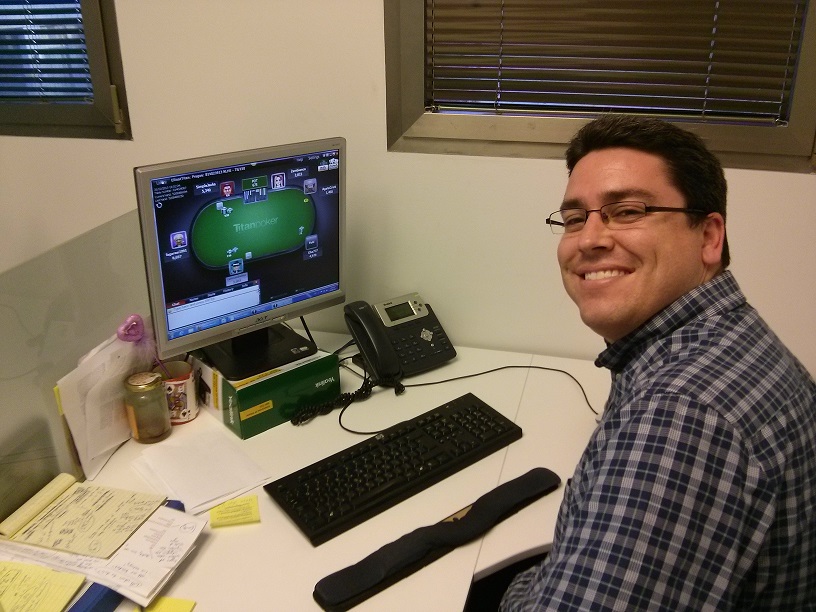
Platforms like Spinbit online casino provide an entry point for players seeking to combine classic poker techniques with the advantages of digital gameplay. They allow enthusiasts to explore diverse variants, practice strategy against a broad range of opponents and track their performance through data-driven tools.
Why classic poker still matters
Even in an era dominated by apps and online tournaments, traditional poker retains unique benefits that digital platforms cannot fully replicate. Classic poker, whether that’s Texas Hold’em, Omaha or Seven-Card Stud, develops critical thinking, emotional control and strategic foresight.
Recent studies have highlighted the cognitive benefits of playing poker:
- Emotional regulation. This includes managing risk and decision-making under uncertainty, which improves with sustained table play.
- In-person games promote social cues and psychological insight, such as reading opponents’ tells that remain difficult to replicate online.
Classic poker also allows players to cultivate patience and situational awareness, skills that translate to online environments.
The growth of online poker
The online poker market has grown a lot, reflecting broader trends in digital gaming. According to an industry analysis of the online poker game market, the global segment is expected to continue expanding significantly in the coming decade, rising from an estimated value of approximately $5.5 billion in 2026 to more than $12 billion by 2035, with mobile access and broader internet connectivity among the key drivers of this growth.
Key advantages of online poker include:
- Accessibility: Players can join games at any time, from anywhere with flexible stakes.
- Variety of games: Online platforms host multiple poker variants and tournament formats, from cash games to Sit & Go competitions.
- Data-driven insights: Many platforms track statistics such as hand histories, win rates and positional performance. This gives players actionable feedback to improve strategy.
By combining these benefits with the lessons learned from classic play, poker enthusiasts can become more versatile and adaptive in their decision-making.
Combining physical and digital play
A hybrid approach to poker integrates the tactile and psychological elements of classic play with the analytical and expansive opportunities of online platforms. This strategy not only enhances skill development but also helps players stay engaged and challenged.
Some practical steps for hybrid poker players include:
- Schedule in-person sessions: Weekly or monthly table games help maintain reading skills, bluffing techniques and social interactions.
- Use online platforms for practice and exposure: Playing online allows for volume-based learning and exposure to varied strategies.
- Analyze performance data: Track win rates, bet sizing patterns and positional statistics to identify areas for improvement.
- Alternate between formats: Switching between live and online play develops adaptability and prevents strategic stagnation.
Cognitive and strategic benefits of hybrid poker
Playing poker in both physical and digital settings is not just about entertainment. It can also improve mental acuity and strategic thinking. Cognitive research has shown that games requiring probability assessment, pattern recognition and risk management can strengthen decision-making and memory.
The benefits are amplified because each format emphasizes different skills:
- Online play hones analytical thinking. Access to detailed statistics, multiple tables and fast-paced hand sequences encourages quick calculation and adaptability.
- In-person play enhances emotional intelligence. Reading opponents, managing stress and reacting to psychological cues build patience and situational awareness.
By leveraging both environments, hybrid players can achieve a more well-rounded poker skill set that enhances both performance and enjoyment.

Current trends and the future of hybrid poker
Understanding industry trends can help hybrid players make informed decisions and stay competitive. Online poker continues to expand alongside technological innovations. This is creating opportunities that were impossible a decade ago.
Key trends include:
- Mobile accessibility: More players are turning to smartphones and tablets to enjoy poker and allows them to play whenever and wherever it suits them.
- Rising popularity of online tournaments: Competitive online poker continues to attract enthusiasts who enjoy structured play that mirrors the intensity of live tournaments.
- Changing player demographics: Online platforms are drawing a younger audience, creating a dynamic mix of players with varied experience and styles.
- Strategic tools and technology: Many players now use hand tracking, analysis software and digital insights to refine their strategies, blending traditional poker skills with modern techniques.
Hybrid poker will likely continue to evolve as technology and community-building intersect. Augmented reality poker tables, AI opponents for practice and cross-platform tournaments could further bridge the gap between live and online experiences. For players who embrace both, this hybrid approach offers not only enhanced skills but also the opportunity to participate in a growing, global poker community.
Traveling can be one of life’s greatest joys. Whether you are exploring the sun-drenched beaches of Queensland, waiting for a flight in Sydney or chilling in your campervan on the way to Esperance, there are moments when you want entertainment that fits perfectly into your pocket. For many travelers, mobile gaming has become the go-to solution.
Among the wide range of online games, poker stands out as a favorite for its combination of skill, strategy and social interaction. Thanks to platforms like Casiny AU, players can enjoy poker on the move without the need for bulky equipment or long waits, making gaming a part of the travel experience.
Why poker works great for travelers
Poker is a game that adapts remarkably well to travel. Unlike games that require long and uninterrupted sessions, poker can be played in short bursts, making it ideal for people who are on the move. Whether you have ten minutes between trains or a longer break at a hotel, poker fits neatly into these pockets of time.
Here are some reasons poker works so well for travelers:
- Flexibility: You can play a quick hand or a full tournament depending on your schedule.
- Community: Even while alone, you can interact with other players from around the world.
- Challenge: The combination of skill and chance keeps games exciting.
- Accessibility: You only need a mobile device and an internet connection.
Poker is more than just a way to pass the time. Many travelers treat it as a hobby and a mental challenge. The game’s blend of strategy and unpredictability means that every hand presents a new puzzle, keeping your mind active even when you are on the road.
The growth of mobile platforms
Mobile gaming has exploded in recent years. Players no longer need a desktop computer or a visit a physical venue to enjoy their favorite game. Mobile platforms have made it possible to log in, play a hand or join a tournament from almost anywhere.
Online casino apps make gaming on the go seamless and provide travelers with:
- A wide variety of games: From Texas Hold’em to Omaha, players can find a format that suits their style.
- Global tournaments: Compete against players from different countries without leaving your hotel room.
- Secure gameplay: Enjoy safe and reliable gaming with minimal interruptions.
The convenience of mobile poker apps is a game-changer. Intuitive interfaces, responsive controls and mobile-optimized graphics allow both beginners and experienced players to feel comfortable. For travelers, this means you can focus on the excitement of the game rather than technical frustrations.
What makes poker unique while travelling
Unlike passive entertainment options, poker engages your mind and encourages interaction. It combines competition, strategy and social connection in a way that streaming videos or scrolling social media can’t replicate.
Here are some of the ways poker stands out for travelers:
- Real-time decision-making that keeps you alert.
- Opportunities to improve skills with every hand.
- Social interaction with players from diverse backgrounds.
- A competitive environment that delivers genuine satisfaction.
Playing poker while traveling can also create memorable experiences. Each session can feel like a mini-adventure, turning idle moments into exciting challenges.
Tips for enjoying poker on the go
To make the most of mobile poker while traveling, the right approach is important. Some practical tips include:
- Choose a reliable platform: Smooth gameplay and minimal lag are essential.
- Set limits: Decide in advance how much time and money you are comfortable spending.
- Try different formats: Exploring multiple game types keeps the experience fresh.
- Take breaks: Avoid fatigue and maintain focus during long sessions.
- Learn from each game: Both wins and losses can provide valuable insights.
Many platforms offer practice tables. This is a great feature for those looking to sharpen their skill or try out new strategies without risking real money. Incorporating these tools can make gaming more enjoyable and educational.
Staying safe and playing responsibly
Responsible play is essential when it comes to enjoying poker while traveling. It ensures that the game remains fun and prevents unwanted stress or financial strain.
Some best practices for safe mobile poker include:
- Keeping your login and account information secure.
- Using only trusted platforms with strong safety measures.
- Setting time and deposit limits to control spending.
- Being mindful of your focus and emotional state while playing.
By approaching the game responsibly, poker can remain a positive part of your travel routine, providing entertainment without negative consequences.
Bringing poker along on your journey
Online poker has become an ideal form of entertainment for travelers in Australia. With mobile platforms, players can enjoy a game anytime, anywhere, whether you are waiting at a station, relaxing in a hotel room or even taking a break at a cafe. By using reliable platforms, experimenting with different game types and playing responsibly, travelers can make poker an exciting part of their journey. So pack your mobile device, log in and see how gaming on the go can enhance your free time when you’re traveling.